Early clump division
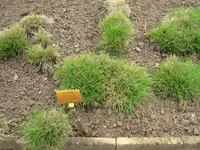
Divide mature clumps every 3–5 years in early spring before new growth elongates to maintain vigor and prevent the center from thinning out.

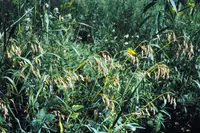
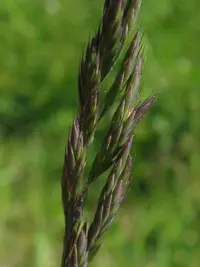
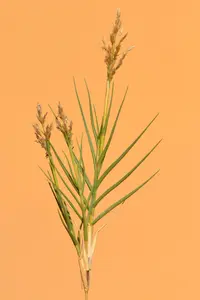
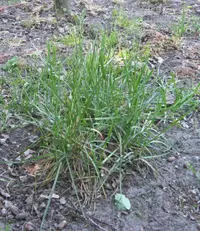
Arctic brome, Bromus kalmii, is a cool-season perennial grass native to northern North America. It typically grows in loose clumps with upright, narrow leaves and fine, airy flower heads.
In the wild, it occurs in prairies, open woods, and rocky slopes, often in cooler climates with well-drained soils. Its adaptability, cold tolerance, and modest nutrient needs make it a relatively low-maintenance species once established.
Gardeners who care for arctic brome value it for naturalistic plantings, erosion control, and meadow-style borders. It prefers full sun to light shade, with moderate moisture and soils that do not stay waterlogged.

Care Difficulty
Easy Care

Light Preference
Full Sun

Water Requirements
Moderate Water

Temperature Preference
Cold Hardy

Hardiness Zone
3–7

Soil Texture
Sandy, Loamy, Silty

Soil pH
Acidic (5.5–6.5), Slightly acidic (6.5–7.0)

Soil Drainage
Moist but well-drained

Fertilization
Minimal (feed rarely)
Scan your plant to receive care tips personalized for your specific plant
Available on iOS and Android
This cool-season grass prefers open, bright conditions in temperate climates.
This species prefers evenly moist, well-drained soil rather than constant wetness or drought.
This hardy, cool-season grass is adapted to cold climates with warm summers.
This cool-season grass tolerates a wide humidity range and rarely needs special air moisture control.
This prairie grass prefers mineral, free-draining soil that does not stay waterlogged.
This species can be grown in containers outdoors when given enough root depth and stable conditions.
This cool-season native grass needs only light feeding, especially in average or fertile soil.
Pruning Bromus kalmii focuses on seasonal cleanup rather than frequent shaping.
This species is usually grown in the ground, so care centers on dividing and transplanting mature clumps.
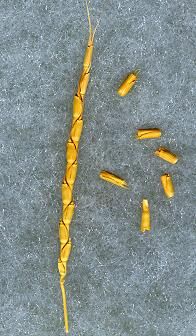
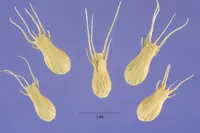
Bromus kalmii is commonly propagated by seed or by division of established clumps.
This cold-hardy native grass usually needs minimal winter care in temperate to cold climates.

Plant Health Check
Not sure what's wrong with your plant? Check your plant's health inside the app.
This cool-season bunchgrass is naturally concentrated around the Great Lakes region and nearby areas, where it occupies dry prairies, open woods, and rocky slopes instead of the moist meadows favored by many related species.
It is able to grow in shallow, rocky, or sandy soils with relatively low fertility, which allows it to persist on ledges, bluffs, and roadside banks that are too harsh for many other grasses.
In native prairie and savanna remnants, its foliage contributes to habitat structure and food resources for grass-feeding insects, which in turn support insectivorous birds and other wildlife.
This species spreads by seed and short rhizomes but is usually clump-forming and moderate. It can gently self-seed in suitable sites, yet it is not typically regarded as an invasive grass in North America.
Keep your plants happy and healthy with plant identification, disease detection, and easy care guidance.