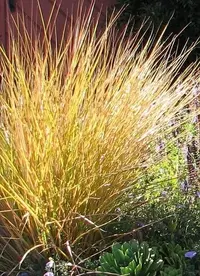
Pink muhly grass Care (Muhlenbergia capillaris)

Also known as: Hairawn muhly grass, pink muhly grass, gulf muhly grass, long-awn hairgrass
Pink muhly grass

About Pink muhly grass

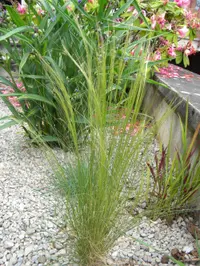
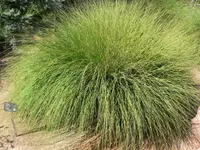
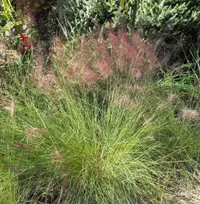
Pink muhly grass (Muhlenbergia capillaris) is a warm-season ornamental grass known for its airy pink flower plumes that create a soft, cloud-like effect in late summer and fall. It forms neat, upright clumps of fine, dark green foliage that turn showy when the pink seed heads emerge.

This species is native to prairies, open woodlands, and coastal areas of the southeastern United States and parts of Mexico. It is valued in gardens for its drought tolerance, adaptability to poor soils, and low maintenance needs, which makes it relatively easy to care for Pink muhly grass.

The plant grows best in full sun with well-drained soil and benefits from dry to moderately moist conditions rather than constant wetness.

Main Plant Requirements

Care Difficulty

Easy Care

Light Preference

Full Sun

Water Requirements

Low Water

Temperature Preference

Cold Hardy

Hardiness Zone

5–9

Soil Texture

Sandy, Loamy, Rocky

Soil pH

Acidic (5.5–6.5), Slightly acidic (6.5–7.0)

Soil Drainage

Well-drained

Fertilization

Minimal (feed rarely)

Get Personalized Care Plan

Scan your plant to receive care tips personalized for your specific plant

Available on iOS and Android

How to Care for the Pink muhly grass

This warm-season grass needs abundant sun for dense growth and strong flowering.

  • Provide 6–8 hours of direct sun daily; full sun gives the best color and flower plumes on Pink muhly grass.
  • Tolerates light partial shade (around 3–4 hours of direct sun), but foliage becomes looser and flowering is reduced.
  • In cooler seasons, maximize exposure by avoiding shade from buildings or trees; in very hot climates, slight afternoon shade can reduce leaf scorch on young plants.

Muhlenbergia capillaris prefers dry to moderately moist conditions once established.

  • After establishment, water deeply only when the top 5–7 cm of soil are completely dry, focusing on infrequent, soaking irrigation rather than light splashes.
  • Ensure fast-draining soil; prolonged puddling, sour smell, or yellowing, limp foliage indicate overwatering and possible root problems.
  • In the first growing season, monitor closely in hot, dry weather; browning leaf tips and rolling blades signal drought stress and the need for a thorough soak.

This species is a warm-season grass that thrives in hot summers and tolerates moderate winter cold.

  • Optimal active growth occurs around 70–90°F (21–32°C), when foliage fills out and flowering stems develop.
  • Established plants tolerate winter lows near 0°F (−18°C); top growth may brown and die back, but crowns usually survive and resprout in spring.
  • Handles summer heat up to about 100–105°F (38–41°C) if soil drains well; avoid reflected heat pockets that can bake roots and speed drought stress.

Humidity is not a significant factor for Muhlenbergia capillaris, which is adapted to dry outdoor air.

Muhlenbergia capillaris prefers lean, well-draining mineral soils that do not stay wet.

  • Use sandy or gritty loam with at least 40–60% mineral content such as coarse sand or fine gravel.
  • Aim for slightly acidic to neutral pH around 6.0–7.0, avoiding strongly acidic or alkaline sites.
  • Mix in only a modest amount of compost (10–20%) to improve structure without making the soil heavy or water-retentive.
  • Avoid dense clay or peat-heavy mixes; if soil is heavy, lighten it with coarse sand and small gravel to improve drainage and aeration.

This species can be grown in containers outdoors if moisture and stability are managed carefully.

  • Choose a wide, low container to balance the airy, top-heavy foliage and reduce the risk of tipping in wind.
  • Use a fast-draining mix of standard potting medium cut 40–50% with coarse sand or small grit to prevent soggy roots.
  • Select heavier materials like ceramic or concrete in windy sites to keep Pink muhly grass securely anchored.

This native ornamental grass usually needs minimal feeding in average garden soil, but light fertilization supports denser growth in poor soils.

  • Use a balanced slow-release fertilizer (for example 10-10-10) or a thin layer of compost in early spring as new growth begins.
  • Apply once per year during the main growing season; in very lean soils, a second light application in midsummer is enough.
  • Reduce or skip feeding in fall and winter when growth slows or stops, especially for Pink muhly grass in cooler regions.
  • Use fertilizers at 1/2 strength for container plants to avoid salt buildup and excessive leafy growth at the expense of flowering.

Pruning Muhlenbergia capillaris is mainly about seasonal clean-up to renew foliage and maintain the fountain-like shape.

  • Cut back clumps to 10–15 cm above the ground in late winter or very early spring before new shoots appear.
  • Remove dead, broken, or badly weathered stems with sharp hand pruners to reduce disease harboring material.
  • Thin out congested centers by removing a few old stems to improve air flow and maintain graceful arching form.
  • Avoid midseason hard cuts, which can reduce flowering and leave the plant looking sparse for several months.

This grass is most often grown in the ground; transplanting matters more than repotting for long-term Muhlenbergia capillaris plant care.

  • Plan transplanting for early spring or early fall when temperatures are mild and soil moisture is reliable.
  • Move plants when growth slows, clumps thin in the center, or roots circle inside containers or planting holes.
  • Dig a wide root ball, replant at the same depth, and water thoroughly to settle soil around the roots and limit shock.
  • Limit container culture to 2–3 years before dividing and replanting into the ground or a slightly larger pot with well-drained mix.

Muhlenbergia capillaris is commonly propagated by division or seed, both suitable for home gardeners with basic tools.

  • Divide mature clumps in early spring just as new growth emerges, using a sharp spade or knife to separate firm sections with healthy roots.
  • Replant divisions immediately at the same soil depth, water well, and keep evenly moist until established.
  • Sow fresh seeds in late fall outdoors or in late winter under cool conditions, since a cold period improves germination.
  • Use a free-draining seed mix, provide bright light, and keep the surface just slightly moist, avoiding waterlogging that rots young roots.

This warm-season grass is generally cold hardy in much of the US and needs only modest winter care once established.

  • Tolerates light to moderate frost, but foliage will turn brown after hard freezes and can be left standing for winter interest.
  • Apply a 5–7 cm mulch layer around the base in late fall in colder zones to buffer soil temperature and moisture.
  • Leave stems uncut through winter to shield the crown, then trim back in late winter before new growth starts.
  • Overwinter container plants in a sheltered, unheated but frost-free or slightly protected spot to prevent root freeze-thaw damage.

Care Tips

Shear For Renewal

Every 2–3 years, shear the clumps back to 10–15 cm in late winter before new growth starts to remove accumulated thatch and keep the plant dense and upright.

Control Clump Spread

If clumps become too large or congested, slice off and remove outer sections with a sharp spade in early spring, then replant or discard divisions to maintain good air flow and a tidy form.

Stage For Display

Plant on slight mounds or gentle slopes so the airy plumes are backlit by morning or late-afternoon sun, which makes the pink flowering display more visible in the landscape.

Use Gravel Mulch

Apply a thin (1–2 in) layer of coarse gravel or crushed stone around the base instead of organic mulch to suppress weeds while keeping the crown dry and reducing rot risk when caring for Pink muhly grass.

Support In Windy Sites

In very windy, exposed locations, install low, discreet peony-style rings or short semicircular stakes around the clump before flowering to prevent the arching stems from lodging or splitting.

Common Pests and Diseases

Rust

This disease causes small orange, brown, or rust-colored pustules on foliage, often appearing in late summer or fall during humid weather.

Solution

Remove and discard affected leaves or entire clumps with heavy infection, then improve air circulation by thinning crowded stands and avoiding overhead irrigation; if rust recurs in the same site, consider replacing the most affected plants and using a mulch layer to reduce splash of spores from soil.

Leaf spot

This disease produces scattered tan to brown spots or streaks on leaves, which may merge in severe cases and cause partial browning of the foliage.

Solution

Cut and dispose of heavily spotted leaves or clumps, water at soil level rather than from above, and space plants so foliage dries quickly; in sites with repeated issues, clean up all dead grass material each winter and avoid high-nitrogen fertilization that encourages dense, disease-prone growth.

Aphids

These insects cluster on tender stems and leaf bases, sucking sap and sometimes causing curling, yellowing, or sticky honeydew on nearby foliage.

Solution

Spray colonies off with a firm stream of water, then encourage natural predators such as lady beetles by avoiding broad-spectrum insecticides; for persistent infestations, spot-treat dense clusters with insecticidal soap or horticultural oil, ensuring thorough coverage of all sides of the stems.

Grasshoppers

These insects chew irregular holes and notches along leaf blades, which can give clumps a ragged appearance, especially in hot, dry summers.

Solution

Hand-remove individuals where practical and reduce nearby tall weeds that harbor nymphs; in larger plantings, use floating row covers on young plants if damage is severe, or apply targeted baits labeled for ornamental grasses while following all label safety directions.

Mites

This pest feeds on leaf surfaces in hot, dry conditions, sometimes leading to fine stippling, dull foliage, and very light webbing deep in the clump.

Solution

Increase humidity around plants with occasional overhead rinsing during dry spells, then wash foliage thoroughly to dislodge mites; if damage continues, use horticultural oil or insecticidal soap directed into the interior of clumps, and keep plants adequately watered to reduce stress as part of general Muhlenbergia capillaris care.

Interesting Facts

Native coastal specialist

This species is native to the sandy coastal plains of the southeastern United States, where it naturally occurs in well-drained, nutrient-poor soils and tolerates salt spray and periodic drought.

Late-season color plume

Unlike many warm-season grasses that flower earlier, it produces its characteristic airy pink panicles in late summer to fall, providing one of the latest strong floral displays among ornamental North American grasses.

Wildlife and pollinator value

The fine-textured inflorescences offer pollen and nectar to small insects, while the seeds are eaten by some songbirds, making it more ecologically valuable than many purely ornamental landscape grasses.

Botan icon

Did you know?

Genetic studies indicate that this species shows notable variation among wild populations across its native range, which has allowed plant breeders to select forms with more intense pink coloration and improved cold tolerance for ornamental use.

FAQs about Pink muhly grass

Poor flowering usually comes from too much shade, excess nitrogen fertilizer, or planting in soil that stays wet. Divide overcrowded clumps every few years and avoid heavy feeding to keep the airy plumes consistent.

Grow Healthy Plants with Botan Care

Keep your plants happy and healthy with plant identification, disease detection, and easy care guidance.

Botan plant care app — identify plants on mobile

Explore More Plants