Wind exposure management
Site plants where they receive strong but not funnelled wind; avoid narrow passages or wall corners that create wind tunnels, which can cause root rock and premature clump splitting.

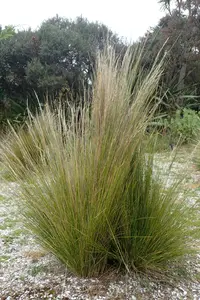
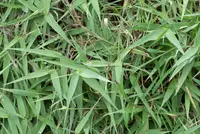
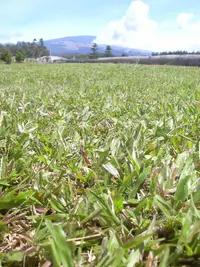
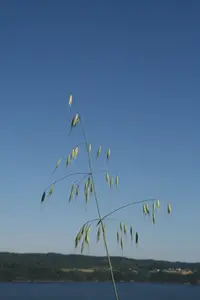
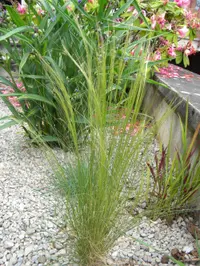
Coastal immorality grass (Austrostipa stipoides) is a tough perennial tussock grass native to coastal dunes and cliffs in Australia and New Zealand. It forms dense, arching clumps with fine, needle-like leaves and tall, airy flower stems that move easily in coastal wind. The plant naturally tolerates salt spray, wind, and poor, sandy soils, which makes it useful for erosion control and low-maintenance coastal plantings. Its resilience and low water demand can make it straightforward to grow in suitable climates, provided drainage is good. Gardeners who want to know how to care for coastal immorality grass should focus on replicating a sunny, well-drained, low-fertility coastal environment.

Care Difficulty
Easy Care

Light Preference
Full Sun

Water Requirements
Low Water

Temperature Preference
Warm Climate

Hardiness Zone
9–11

Soil Texture
Sandy, Loamy, Rocky

Soil pH
Slightly acidic (6.5–7.0), Neutral (7.0)

Soil Drainage
Well-drained

Fertilization
Minimal (feed rarely)
Scan your plant to receive care tips personalized for your specific plant
Available on iOS and Android
This coastal grass prefers bright, open conditions similar to its natural shore habitats.
This species is adapted to dry, sandy coastal soils and needs careful watering in cultivation.
This grass is suited to mild coastal climates with good tolerance of wind and temperature swings.
This coastal grass handles a wide humidity range and rarely needs special adjustment in homes or gardens.
This species prefers lean, sandy, sharply drained soil that mimics coastal dunes or rocky slopes.
This species can grow in containers if the pot and substrate keep roots dry between waterings.
This coastal grass grows well in poor, sandy soils, so fertilizer needs are modest when caring for coastal immorality grass.
Austrostipa stipoides benefits from light pruning to maintain a tidy, arching form and to remove old growth.
This coastal tussock grass is more often transplanted in the landscape than grown long term in containers.
Austrostipa stipoides is commonly propagated by seed or by division of established clumps.
This species is generally hardy in mild coastal climates and usually needs minimal winter care.

Plant Health Check
Not sure what's wrong with your plant? Check your plant's health inside the app.
This coastal tussock grass naturally grows right at the ocean’s edge and tolerates heavy salt spray and occasional seawater inundation that would kill most terrestrial grasses.
Its dense, fibrous roots and tightly clumping growth form help trap blowing sand and stabilize foredunes, making it an important structural species in coastal dune systems of southern Australia and New Zealand.
The stiff, arching leaves often grow in a leaning, wind-sculpted form in exposed coastal sites, reducing mechanical damage from strong onshore winds and helping limit water loss in harsh, drying conditions.

In several Australasian coastal restoration projects, this species is deliberately planted as an early coloniser to rebuild damaged dune systems, because it can establish in very poor, shifting, saline sands where few other vascular plants survive.
This species is evergreen in mild climates, holding its foliage year-round, though older leaves weather and bleach. In colder inland sites it may look semi-evergreen, with some leaf burn or dieback after hard frosts or severe cold snaps.
Keep your plants happy and healthy with plant identification, disease detection, and easy care guidance.