Arundo plinii Care

About Arundo plinii

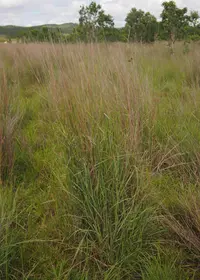
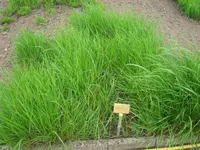
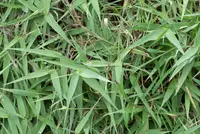
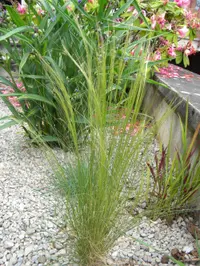
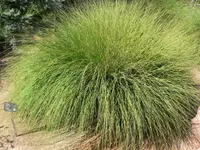
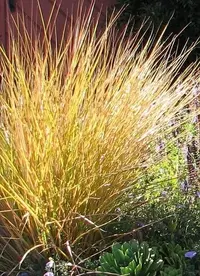
Arundo plinii is a clump-forming perennial grass related to the giant reed. It typically develops tall, upright canes with narrow, arching leaves and showy feathery flower plumes. Native to Mediterranean regions, it is often found along riverbanks, wetlands, and other moist, sunny habitats. The species is valued for its strong vertical structure and ornamental texture in larger gardens. It establishes best in full sun with reliably moist, well-drained soil. Once rooted, it can be vigorous, so understanding how to care for Arundo plinii helps keep its growth controlled and suitable for the available space.

Main Plant Requirements

Care Difficulty

Moderate Care

Light Preference

Full Sun

Water Requirements

Regular Water

Temperature Preference

Warm Climate

Hardiness Zone

7–10

Soil Texture

Sandy, Loamy, Silty

Soil pH

Slightly acidic (6.5–7.0), Neutral (7.0)

Soil Drainage

Waterlogged tolerant

Fertilization

Minimal (feed rarely)

Get Personalized Care Plan

Scan your plant to receive care tips personalized for your specific plant

Available on iOS and Android

How to Care for the Arundo plinii

This tall grass thrives in open, bright conditions in most temperate climates.

  • Provide full sun for 6–8 hours per day; it tolerates light afternoon shade, especially in hotter regions.
  • Plant Arundo plinii where it receives strong morning sun and, if possible, some protection from intense late-afternoon summer sun to reduce leaf scorch.
  • In cooler seasons it manages low winter sun well, but in deep shade stems stretch, become weak, and foliage loses density.

This species prefers consistent moisture but copes better with brief dryness than with standing water.

  • Aim for evenly moist soil in the root zone; let the top 3–5 cm dry slightly before irrigating established clumps in average garden soil.
  • Increase watering during hot, windy periods if leaves curl, droop by midday, or tips brown, which signal underwatering in fast-draining sites.
  • Ensure soil drains freely; persistent puddling, sour smell, or yellowing, limp stems indicate overwatering and possible root stress, especially in heavy clay.

This warm-season grass grows best in mild to hot climates with moderate winters.

  • Optimal growth occurs around 70–85°F (21–29°C), when shoots elongate quickly and foliage is most vigorous.
  • Mature clumps generally tolerate brief drops to about 15–20°F (-9 to -6°C); lower temperatures or prolonged freezes can kill top growth but roots may resprout if soil is not deeply frozen.
  • In heat above 95°F (35°C), maintain soil moisture and some afternoon shade to reduce stress, leaf scorch, and premature browning.

This species tolerates a wide humidity range and does not need special humidity management in most homes or gardens.

Arundo plinii prefers consistently moist, deep soils with strong structure and reliable drainage.

  • Use a loamy, organic-rich soil that holds moisture yet does not stay waterlogged, such as garden loam mixed with compost.
  • Aim for slightly acidic to neutral pH around 6.0–7.0, avoiding highly alkaline or saline sites that restrict nutrient uptake.
  • For container or improved beds, mix roughly 60% loam, 30% compost, and 10% coarse sand to support aeration and root expansion.
  • Avoid compacted clay or areas with standing water; incorporate coarse sand or fine gravel where drainage is slow.

This tall, clumping grass can be grown in large containers if managed carefully for stability and moisture.

  • Choose a wide, heavy container to counteract the tall, wind-catching foliage and reduce tipping risk in exposed sites.
  • Select thick-walled terracotta or concrete pots outdoors to limit overheating of the root zone in full sun conditions.
  • Position the container where runoff can drain freely, since its high water use means frequent watering and regular overflow from drainage holes.

This vigorous grass usually needs only modest feeding in average garden soil.

  • Apply a light layer of compost around the clump in early spring to support steady growth.
  • In poorer soils, use a balanced slow-release fertilizer (around 10-10-10) once in spring at label rate or slightly weaker.
  • Avoid repeated high-nitrogen feeding, which can cause weak, floppy stems and excessive top growth.
  • Stop fertilizing Arundo plinii by late summer so new shoots can harden before cold weather.

Pruning helps manage size, remove old canes, and keep Arundo plinii stands tidy.

  • Cut back dead or winter-browned canes to near ground level in late winter or very early spring before new shoots emerge.
  • Remove damaged, crossing, or crowded stems at the base to thin the clump and improve air and light penetration.
  • Use sharp loppers or a pruning saw for thick canes, cutting cleanly to avoid splintering.
  • Shaping the outer edge of the clump maintains a defined form and limits spread into paths or neighboring plantings.

This robust grass is almost always grown in the ground, so care focuses on transplanting clumps rather than repotting.

  • Transplant dormant or just-emerging clumps in late winter to early spring for fastest recovery.
  • Lift and move plants when growth becomes crowded, spread is excessive, or central stems decline, typically every 3–5 years.
  • Dig widely around the root mass, keeping a solid soil ball to limit root breakage and stress.
  • Replant at the same depth in a prepared hole, water deeply, then keep soil evenly moist until new shoots establish.

Division is the most practical method for increasing Arundo plinii in gardens.

  • Divide mature clumps in late winter or early spring as new shoots begin to show.
  • Use a sharp spade or saw to cut firm, rooted sections with several buds or canes each.
  • Replant divisions promptly into moist, well-drained soil and water thoroughly to settle roots.
  • Provide full sun and even moisture during the first growing season to encourage strong establishment.

In mild to moderately cold climates this species is fairly hardy but benefits from simple winter preparation.

  • Plants tolerate light frost but tall canes may brown in prolonged freezes.
  • In fall, apply a 5–8 cm mulch around the root zone to buffer temperature swings.
  • Leave standing canes over winter in colder areas to insulate crowns, cutting them back in late winter.
  • Container specimens in colder regions should be moved to a sheltered, frost-free spot until spring.

Care Tips

Rhizome Containment

Install a 30–45 cm deep root barrier or plant into a large, bottomless container sunk into the ground to prevent rhizomes from spreading into lawns or beds.

Wind-Resistant Staking

In exposed sites, run 2–3 stout stakes around the clump and connect them with soft horticultural twine at 2 heights to keep tall canes upright in strong winds without cutting their ornamental value.

Annual Stool Renewal

Every 2–3 years in late winter, remove a wedge of old, woody rhizomes from the clump and backfill with compost-rich soil to keep growth vigorous and stems thick and stable.

Irrigation Zoning

Place this grass on a separate irrigation zone from water-sensitive perennials, as its strong, deep root system tolerates drier intervals and benefits from less frequent, deeper watering cycles.

Erosion Control Use

On banks or slopes, plant clumps in staggered rows across the slope so the dense rhizome network stabilizes soil and intercepts runoff, which is often a more effective approach than single isolated plantings when growing Arundo plinii.

Common Pests and Diseases

Stem borers

This pest tunnels inside the thick canes, causing internal damage, weak growth, and stems that snap or die back. Symptoms include hollow stems, frass (sawdust-like material), and exit holes along the culms.

Solution

Cut and remove infested canes at the base and destroy them to break the borer life cycle. Maintain strong, vigorous clumps with good irrigation during dry periods, and where allowed use targeted applications of a systemic insecticide on new shoots in spring, following label directions carefully.

Aphids

These insects cluster on young shoots and leaf bases, sucking sap and causing distorted growth and sticky honeydew that can lead to sooty mold. Colonies are often found on the undersides of leaves and around emerging canes.

Solution

Spray colonies off with a firm stream of water and repeat as needed, then follow with insecticidal soap or a horticultural oil, coating stems and leaf undersides. Encourage natural predators such as lady beetles by avoiding broad-spectrum insecticides nearby, which supports more balanced Arundo plinii care instructions in mixed plantings.

Leaf spot fungi

This disease produces brown to tan spots on leaves, sometimes with yellow halos and premature leaf drop in crowded, damp stands. Symptoms include cosmetic damage that can spread quickly under warm, humid conditions.

Solution

Remove and dispose of heavily spotted or dead leaves to reduce spore spread, and thin dense clumps to improve air circulation and faster leaf drying. Avoid overhead watering when possible, and in persistent, severe cases use a labeled foliar fungicide during periods of warm, wet weather.

Rust

This disease forms orange to brown powdery pustules on leaf surfaces, leading to yellowing and early leaf drop in humid conditions. Symptoms include reduced vigor when large sections of foliage are affected.

Solution

Cut back and remove infected leaves and canes at ground level, disposing of the debris away from the planting area. Promote airflow by spacing and thinning clumps, avoid prolonged leaf wetness, and where necessary apply a rust-effective fungicide according to label directions during high-risk humid periods.

Interesting Facts

Mediterranean riverbank specialist

This species is naturally associated with Mediterranean riverbanks and periodically disturbed alluvial habitats, where it tolerates both seasonal flooding and summer drought better than many other grasses.

Narrower, finer foliage

Compared with the closely related Arundo donax, this species typically develops thinner, more delicate leaves and overall finer culms, which allows it to sway more easily in wind-exposed sites.

Clumping growth habit

Arundo plinii tends to form tighter clumps with shorter, more contained rhizomes than some giant reed relatives, which can make it somewhat less aggressively spreading in suitable conditions.

FAQs about Arundo plinii

This species spreads by strong rhizomes and can form large, dense clumps if not managed. In mild, moist climates it may behave aggressively, so use root barriers, regular division, and remove unwanted shoots promptly to contain it.

Grow Healthy Plants with Botan Care

Keep your plants happy and healthy with plant identification, disease detection, and easy care guidance.

Botan plant care app — identify plants on mobile

Explore More Plants