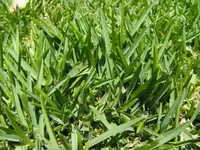
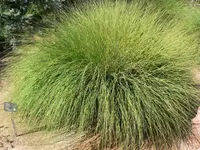
slender woodoats Care (Chasmanthium laxum)

Also known as: Slender Spikegrass
slender woodoats

About slender woodoats

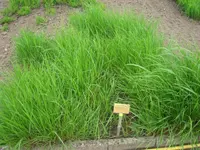
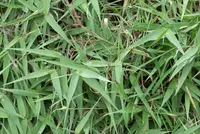
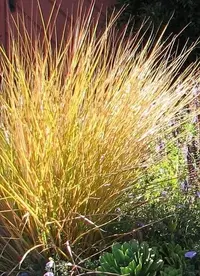
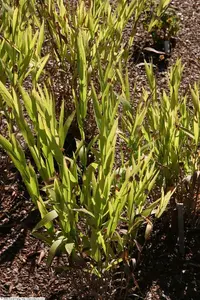
Slender woodoats (Chasmanthium laxum) is a small, clump-forming ornamental grass native to woodland edges and stream banks in the southeastern United States. It has narrow, arching leaves and delicate seed heads that create a light, airy texture. The plant tends to stay compact and does not spread aggressively, which makes it easier to manage in small gardens or shaded borders. It generally prefers partial shade, consistent moisture, and well-drained, humus-rich soil. Understanding how to care for slender woodoats helps gardeners use it successfully in naturalistic or understory plantings.

Main Plant Requirements

Care Difficulty

Easy Care

Light Preference

Partial Shade

Water Requirements

Moderate Water

Temperature Preference

Cold Hardy

Hardiness Zone

5–9

Soil Texture

Loamy, Clay, Organic-rich

Soil pH

Acidic (5.5–6.5), Slightly acidic (6.5–7.0)

Soil Drainage

Moist but well-drained

Fertilization

Minimal (feed rarely)

Get Personalized Care Plan

Scan your plant to receive care tips personalized for your specific plant

Available on iOS and Android

How to Care for the slender woodoats

Chasmanthium laxum prefers bright, indirect light with some protection from intense afternoon sun.

  • Provide 3–6 hours of morning sun or dappled light; eastern or lightly shaded southern exposures suit slender woodoats in most gardens.
  • Allow partial shade, especially in hotter regions, where midday and afternoon sun can scorch foliage and fade seedheads.
  • In cooler seasons or northern climates, a bit more direct sun improves vigor and flowering, while deep shade leads to sparse, floppy growth.

This grass prefers evenly moist soil but does not tolerate prolonged saturation.

  • Water when the top 3–5 cm of soil feel dry, aiming for consistently moist but not soggy conditions during the main growing season.
  • Ensure soil drains well; pooling water or a sour smell around the roots indicates excess moisture and risk of rot in Chasmanthium laxum plantings.
  • In cooler months or drought dormancy, reduce watering and watch for curling or browning leaf tips as a sign the plant needs a deeper soak.

This species is a hardy, warm-season grass that tolerates a wide range of outdoor temperatures once established.

  • Optimal growth occurs around 70–85°F (21–29°C) during late spring and summer, when new shoots and flowering stems develop most actively.
  • Mature clumps tolerate winter lows near 0°F (−18°C) in many temperate regions, with foliage naturally dying back and crowns surviving underground.
  • Heat tolerance is good up to about 95°F (35°C) if soil moisture is maintained, but very hot, dry winds can scorch leaves and shorten the display.

This grass handles a wide humidity range and rarely needs special humidity care outdoors.

  • Performs reliably at 30–60% humidity in most temperate outdoor climates.
  • Tolerates short dry-air spells without damage, so added humidity is usually unnecessary.
  • True humidity stress is uncommon; if leaf tips brown, check soil moisture and heat exposure before adjusting humidity.

Chasmanthium laxum prefers consistently moist, well-drained soils that do not stay waterlogged.

  • Aim for a loamy or sandy-loam texture with moderate organic matter to retain moisture but still drain freely.
  • Target a slightly acidic to neutral pH around 6.0–7.0, which suits most garden beds and lawn-adjacent borders.
  • Mix in compost and some coarse sand or fine grit to improve structure, aeration, and root penetration in heavier soils.
  • Avoid compacted clay, standing water, or very dry, nutrient-poor substrates, which reduce vigor and increase stress.

This species is suitable for container growing when moisture and stability are managed carefully.

  • Select a wide, moderately deep container to accommodate its clumping root system and prevent the plant from becoming pot-bound too quickly.
  • Use a heavier material such as ceramic or thick-walled plastic to stabilize the upright foliage against wind and accidental bumps.
  • Water more frequently than in-ground plantings, since container substrates dry faster, but never allow water to pool in saucers.

This native grass needs minimal feeding, but light nutrition supports steady growth when grown in lean soils or containers.

  • Apply a light dressing of compost or a balanced slow-release NPK fertilizer once in early spring as growth resumes.
  • Use a low to moderate rate, or liquid fertilizer at 1/2 strength, to avoid lush, floppy foliage on slender woodoats.
  • Skip additional feeding through late summer; excess nutrients can reduce drought tolerance and lodging resistance.
  • Do not fertilize in fall or winter, when the plant is dormant and nutrient uptake is low.

Pruning Chasmanthium laxum is simple and mainly aims to tidy the clump and manage self-seeding.

  • Cut back old foliage to 5–10 cm in late winter or very early spring before new shoots emerge.
  • Remove dead, broken, or diseased stems at the base during the growing season with clean, sharp shears.
  • Thin out the densest, most crowded stems to let in light and maintain an open, upright clump.
  • Shear or hand-cut seed heads after they dry if reduced self-seeding and a neater appearance are desired.

This ornamental grass is usually grown in the ground, with transplanting needed only as clumps enlarge or outgrow their space.

  • Plan to divide or move clumps every 3–5 years, or when centers thin and growth slows.
  • Transplant in early spring or early fall so roots can re-establish in mild conditions before heat or frost.
  • Lift the clump carefully, keeping as much root and surrounding soil intact as possible to limit stress.
  • Water thoroughly after transplanting, then keep soil evenly moist (not saturated) for 2–3 weeks to support recovery.

Chasmanthium laxum is most often propagated by division or by seed collected from mature inflorescences.

  • Divide established clumps in early spring, slicing the root mass into sections each with healthy buds and roots.
  • Replant divisions at the same depth in loose, moist, well-drained soil, then water to settle air pockets.
  • Sow fresh seeds in fall outdoors or in late winter after a cold stratification period of 6–8 weeks.
  • Provide consistent moisture and light shade for young plants until roots are well established and growth is steady.

This grass is generally cold hardy in much of the US and requires little dedicated winter care once established.

  • In USDA zones where ground freezes, leave dry foliage standing over winter to shield the crown from temperature swings.
  • Apply a 5–8 cm layer of mulch around, but not over, the crown in late fall to buffer freeze–thaw cycles.
  • For container plants in colder regions, move pots to a sheltered, unheated area and water sparingly to prevent complete dry-out.

Care Tips

Edge containment

Install a shallow edging (5–8 cm deep) or root barrier around clumps in spring to keep this spreading grass from creeping into beds or lawn while still allowing natural-looking growth.

Self-sown seed management

Leave seedheads on only the strongest clumps for wildlife value, then shear or hand-cut remaining seed stalks before they shatter in late summer to limit unwanted seedlings in nearby beds and paths.

Divide for vigor

Every 3–5 years, lift and divide crowded clumps in early spring, discarding woody centers and replanting firm, active outer sections to maintain dense foliage and consistent ornamental quality.

Mulch in dry shade

Apply a thin, breathable mulch layer (2–3 cm) around plants in dry shade to conserve soil moisture and stabilize soil temperatures without burying the crowns.

Understory pairing

Plant this grass beneath open-canopy shrubs or small trees where light shifts seasonally, which helps mimic its natural woodland-edge habitat and makes caring for slender woodoats more predictable year to year.

Common Pests and Diseases

Leaf spot fungi

This disease causes small tan to brown spots on leaves that may merge, giving foliage a scorched or blotchy appearance. Symptoms include more severe spotting in dense, shaded, or poorly ventilated clumps.

Solution

Remove and discard heavily spotted leaves and any dense thatch at the base to reduce humidity around the foliage. Improve air circulation by thinning crowded stems, avoid overhead watering, and if leaf spots are severe or recurring, use a labeled broad-spectrum fungicide on ornamental grasses according to package directions.

Rust

This disease appears as small yellow to orange pustules or powdery spots on leaf surfaces, sometimes leading to premature leaf yellowing and drop. Symptoms include more visible spore masses on the undersides of leaves in warm, humid weather.

Solution

Cut back and remove infected foliage promptly and clean up fallen leaves to reduce spore spread. Increase spacing and airflow, water at soil level, and in persistent cases apply an appropriate grass-safe fungicide on new growth when conditions favor rust development.

Aphids

These insects cluster on young stems and leaf bases, sucking sap and causing distorted growth or a sticky honeydew residue. This pest may also attract sooty mold that darkens leaf surfaces.

Solution

Spray affected foliage with a firm stream of water to dislodge colonies, then treat remaining insects with insecticidal soap or horticultural oil, coating leaf undersides and tight leaf bases. Encourage natural predators such as lady beetles by avoiding broad-spectrum insecticides in the surrounding garden.

Grasshoppers

These insects chew irregular holes and notches along leaf edges, sometimes skeletonizing blades in more severe outbreaks. Damage is more common in hot, dry weather and in plantings near open grassy areas or fields.

Solution

Handpick and remove grasshoppers when numbers are low and reduce nearby tall weeds that serve as breeding habitat. For heavier infestations, use floating row covers on young plantings or apply a targeted grasshopper bait or biological control product around, not directly on, ornamental clumps following label instructions.

Spider mites

This pest feeds on leaf surfaces in hot, dry weather, leading to fine stippling, dull or grayish foliage, and in heavy cases fine webbing between blades. Symptoms include leaves that feel dry and rough rather than smooth.

Solution

Rinse foliage thoroughly with water, focusing on leaf undersides, and repeat several times a week to knock back populations and raise local humidity. If mites persist, apply horticultural oil or insecticidal soap labeled for mites on ornamental grasses, treating during cooler parts of the day to avoid leaf burn.

Interesting Facts

Native woodland grass

This species is native to the southeastern United States, where it grows naturally in open woodlands, stream banks, and moist slopes under partial shade.

Tolerance of heavy soils

Unlike many ornamental grasses, this plant is adapted to clay and other heavier soils, often occurring where periodic moisture and slow drainage would stress more upland grass species.

Shallow but fibrous roots

It forms a dense, fibrous root system near the soil surface that helps stabilize leaf litter and topsoil on gentle slopes in its native habitats.

FAQs about slender woodoats

This species forms clumps and spreads slowly by short rhizomes and self-seeding. It is not typically aggressive, but seedlings can appear nearby. Simple thinning or division keeps it contained in mixed borders or naturalistic plantings.

Grow Healthy Plants with Botan Care

Keep your plants happy and healthy with plant identification, disease detection, and easy care guidance.

Botan plant care app — identify plants on mobile

Explore More Plants