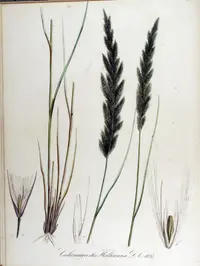
fragrant flatsedge Care (Cyperus odoratus)

fragrant flatsedge

About fragrant flatsedge

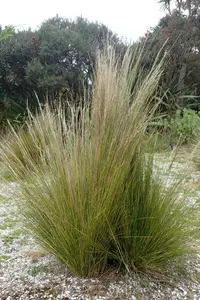
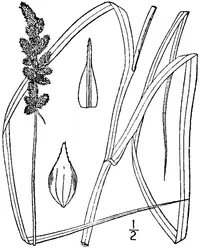
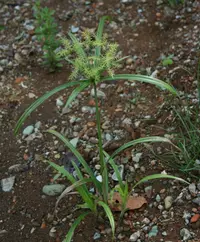
Fragrant flatsedge (Cyperus odoratus) is a clump-forming sedge typically found along pond edges, ditches, and wet fields. It is a grass-like plant with narrow leaves and umbrella-like clusters of small, brownish flower spikes.

This species is native to warm regions of the Americas and has spread to many other frost-free and mild-temperate areas. It grows quickly in consistently moist or shallowly flooded soils.

Because it tolerates waterlogging and poor, mucky ground, it is generally easy to maintain in suitable wet conditions. Understanding how to care for fragrant flatsedge mainly involves providing steady moisture and avoiding very dry sites.

Main Plant Requirements

Care Difficulty

Moderate Care

Light Preference

Full Sun

Water Requirements

Aquatic

Temperature Preference

Tropical / Frost Sensitive

Hardiness Zone

8–11

Soil Texture

Loamy, Silty, Organic-rich

Soil pH

Acidic (5.5–6.5), Slightly acidic (6.5–7.0)

Soil Drainage

Waterlogged tolerant

Fertilization

Minimal (feed rarely)

Get Personalized Care Plan

Scan your plant to receive care tips personalized for your specific plant

Available on iOS and Android

How to Care for the fragrant flatsedge

Cyperus odoratus grows best with strong, consistent light similar to open wetland edges.

  • Provide 4–6 hours of direct morning sun plus bright light the rest of the day; light afternoon shade is helpful in hot summers.
  • Tolerates partial shade, but stems may elongate and weaken if it receives less than 3–4 hours of direct or high, filtered sun.
  • In very hot climates, protect fragrant flatsedge from harsh midafternoon sun to prevent leaf tip scorch and excessive water loss.

This wetland sedge prefers constantly moist to saturated conditions rather than alternating wet and dry cycles.

  • Keep soil consistently damp; in garden beds, do not allow the top 1–2 cm to dry out, and in boggy spots it can sit in shallow standing water.
  • Increase watering in hot, windy weather when leaves begin to lose firmness or curl slightly, clear signs that Cyperus odoratus is drying out.
  • Watch for yellowing, limp stems and foul-smelling soil as signs of poor drainage and overwatering, then improve drainage or reduce standing water depth.

This species thrives in warm, frost-free conditions typical of many marshy and subtropical areas.

  • Aim for 70–86°F (21–30°C) during active growth; plants remain functional but slower at 60–70°F (16–21°C).
  • Avoid temperatures below 40°F (4°C); light frost can burn foliage, and hard freezes near 32°F (0°C) can kill crowns, especially in exposed sites.
  • In heat above 90°F (32°C), growth usually continues if water is abundant; higher water levels and some afternoon shade reduce heat stress.

This species prefers very high humidity and does poorly in dry indoor air.

  • Aim for 60–90% humidity, similar to a wetland edge or pond margin.
  • Dry air causes brown, crisp leaf tips, slowed growth, and reduced vigor in fragrant flatsedge.
  • Increase humidity with water trays around the pot, grouping moisture-loving plants, or placing the container in a shallow, consistently wet saucer.

Cyperus odoratus grows best in constantly wet, organic-rich substrates that mimic muddy shorelines.

  • Use a heavy mix of 60–70% loam or clay garden soil with 30–40% compost to retain water and nutrients.
  • Keep drainage minimal; a saucer or outer cachepot that stays filled with water suits this semi-aquatic plant.
  • Aim for slightly acidic to neutral pH, around 6.0–7.0, which supports nutrient availability and root activity.
  • Avoid fast-draining, sandy, or peat-only mixes that dry out quickly and cause root stress.

This species is well suited to container growing, especially for wet or water-garden setups.

  • Choose a deep, relatively heavy pot to anchor the tall, tufted stems and prevent tipping in wind.
  • Select plastic or glazed ceramic over unglazed terracotta so the mix stays waterlogged longer.
  • Use a container with few or small drainage holes and stand it in a water-filled tray to maintain a constantly saturated root zone.

Cyperus odoratus benefits from light, consistent nutrition during active growth but tolerates low-fertility sites.

  • Use a balanced liquid fertilizer (for example 10-10-10 or 20-20-20) diluted to 1/4–1/2 strength for container plants.
  • Feed every 4–6 weeks during spring–summer when growth is lush and water demand is high.
  • Skip or greatly reduce fertilization in fall–winter, especially for outdoor clumps in natural or wetland-style plantings.
  • For long-term containers, supplement with a thin top-dressing of compost or a low-dose slow-release fertilizer in early spring when caring for fragrant flatsedge.

Cyperus odoratus responds well to light, maintenance pruning that keeps clumps tidy and encourages fresh growth.

  • Cut dead, yellowing, or storm-damaged stems at the base whenever noticed, using clean, sharp scissors or hand pruners.
  • In late winter or early spring, thin crowded stems to improve air movement and maintain an upright, open form.
  • Remove older, weak stems first so resources are directed to young, vigorous shoots and more uniform foliage.
  • For containers, trim overly tall or leaning stems to just above the crown to keep plants compact and manageable.

This species is more often transplanted than repotted, as it is commonly grown in ponds, wet beds, or naturalized settings.

  • Plan transplanting in spring when growth resumes and stress recovery is fastest.
  • Move clumps if roots form a tight mass, growth slows, or plants outgrow their allotted space or container.
  • Lift and divide dense clumps into smaller sections, keeping generous roots and rhizomes attached to each piece.
  • Replant divisions at the same depth, water thoroughly, and maintain consistently wet soil for several weeks to minimize shock.

Cyperus odoratus is commonly propagated by division or seed, depending on whether a clonal stand or genetic diversity is desired.

  • Divide mature clumps in spring, separating sections with several healthy stems and roots, then replant immediately in saturated soil.
  • Sow fresh seed in shallow trays of wet, fine-textured substrate under warm conditions around 70–80°F with bright light.
  • Keep seed and young divisions constantly moist, not just damp, as drying severely reduces establishment success.
  • For containers, place new divisions slightly snug in their pots, firm the medium gently, and maintain high humidity around foliage.

In mild climates, Cyperus odoratus usually needs minimal winter care but suffers damage where hard freezes are common.

  • In zones with light frost, allow top growth to die back naturally, then remove mushy stems in late winter.
  • In colder regions, apply 5–8 cm of organic mulch over the root zone of in-ground clumps to buffer temperature swings.
  • Move containers indoors or into a frost-free greenhouse before nights drop below about 32°F, keeping soil moist but not stagnant.

Care Tips

Container water depth

Use a cachepot or outer tray that allows 2–5 cm of standing water around the pot base so roots stay consistently moist without fully submerging the crown, and top up this reservoir whenever it runs dry.

Thick stand management

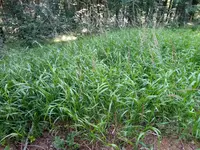
Thin or divide overcrowded clumps every 1–2 years by removing the oldest, densest sections so air can move through the stand and new shoots have space to develop straight, sturdy stems.

Edge and erosion control

When planting near ponds or wet ditches, set plants in a shallow trench or along a low edging strip to keep rhizomes from creeping into liners, drains, or other planted beds.

Responsive cutback strategy

If stems lodge or become wind-battered, cut them back to just above the lowest healthy nodes and allow new, stronger shoots to replace them over the next growth cycle.

Mosquito management

In outdoor water trays or shallow basins, flush and refill the water at least weekly or use mosquito dunks labeled for ornamental ponds so caring for fragrant flatsedge does not create a breeding site for insects.

Common Pests and Diseases

Aphids

This pest feeds on tender stems and leaf bases, sucking plant sap and leaving sticky honeydew that can attract sooty mold. Symptoms include distorted new growth and clusters of small, soft-bodied insects near the culm bases and inflorescences.

Solution

Rinse plants thoroughly with a strong but controlled stream of water, focusing on stem joints and undersides of leaves, and repeat several times over a week. For persistent colonies, use an insecticidal soap or neem oil spray labeled for ornamental grasses, applied in the early morning and kept off open water bodies where possible.

Spider mites

These insects thrive in hot, dry conditions and feed on the undersides of leaves, causing fine stippling, bronzing, and eventual leaf desiccation. Symptoms include very fine webbing between leaf bases and a dull, dusty appearance on foliage.

Solution

Increase humidity around the plant with regular hosing or misting of foliage and avoid letting plants dry out completely. If damage is visible, wash leaves thoroughly and apply a miticide or horticultural oil labeled for spider mites, repeating according to label directions while monitoring for new webbing.

Rust

This disease appears as small orange to brown pustules on leaves and culms, often starting on lower, denser growth where air movement is poor. Symptoms include yellowing leaves, reduced vigor, and powdery spore masses that rub off on fingers or nearby surfaces.

Solution

Remove and discard heavily infected leaves and any dense, overcrowded shoots to improve airflow through the clump. Avoid overhead watering late in the day and, if rust continues to spread, use a fungicide labeled for rust on ornamental grasses, applying at the first sign of new pustules.

Leaf blight

This disease causes elongated brown to dark purple lesions along the leaves, which can merge and lead to extensive blighting of foliage, especially in warm, wet conditions. Symptoms include premature leaf dieback and thinning of clumps in poorly drained or overwatered sites.

Solution

Cut back and dispose of affected foliage, then reduce leaf wetness by watering at soil level rather than from above and by thinning crowded stands. In production or high-value plantings, a broad-spectrum foliar fungicide labeled for leaf spot or blight on ornamental sedges may be applied preventively during extended wet periods.

Scale insects

This pest appears as small, dome-shaped or oval bumps on stems and leaf bases, where insects feed under a protective shell and excrete sticky honeydew. Symptoms include gradual decline, yellowing, and reduced vigor, especially in container-grown plants used for fragrant flatsedge indoor care.

Solution

Gently scrape or wipe off accessible scales with a soft cloth or brush, then prune out heavily infested culms. Follow with applications of horticultural oil directed at stems and leaf bases to smother remaining crawlers, repeating treatments as label-directed while monitoring for new infestations.

Interesting Facts

Aromatic spikelet foliage

When crushed, the flower clusters and upper leaves of this sedge release a noticeable sweet to spicy scent, which inspired the common name fragrant flatsedge.

Pioneer of disturbed wetlands

This annual sedge quickly colonizes freshly exposed muddy or sandy shores, ditches, and rice fields, helping stabilize soil in warm-temperate to tropical regions of the Americas and beyond.

Rice field associate

In many tropical and subtropical agricultural areas, this species is a common weed in irrigated rice and other flooded crops, where it thrives in shallow standing water and moist substrates.

Botan icon

Did you know?

Fragrant flatsedge produces its seeds in such abundance that they often form part of the diet of wetland birds and small mammals, contributing noticeably to food webs in shallow marshes and pond margins.

FAQs about fragrant flatsedge

Brown leaf tips usually come from low humidity, salt buildup from fertilizer, or water stress. Flush the pot thoroughly, trim damaged tips, and keep the root zone consistently moist but not flooded to stabilize the plant.

Grow Healthy Plants with Botan Care

Keep your plants happy and healthy with plant identification, disease detection, and easy care guidance.

Botan plant care app — identify plants on mobile

Explore More Plants