Clustered Planting
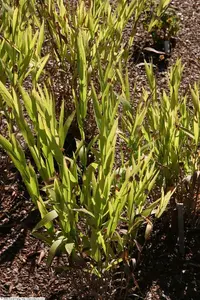
Plant in groups of 5–9 plugs spaced 20–30 cm apart to create a dense matrix that suppresses weeds and reduces the need for later hand-weeding when growing yellowfruit sedge.

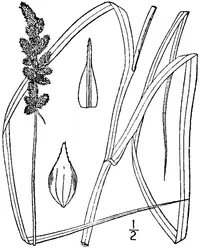
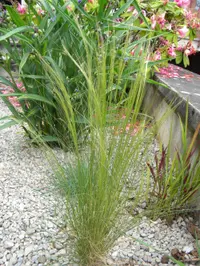
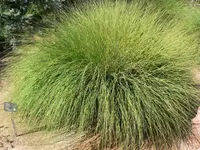
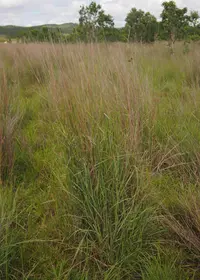
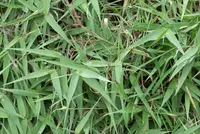
Yellowfruit sedge, Carex annectens, is a clump-forming perennial sedge native to North American prairies, meadows, and moist open areas. It resembles a fine-textured grass but produces distinctive yellow to orange seed heads that stand above the foliage.
The plant typically grows in dense, upright tufts that provide structure and subtle movement in the landscape. It adapts to a range of soils, from periodically wet to seasonally dry, which makes it relatively forgiving once established.
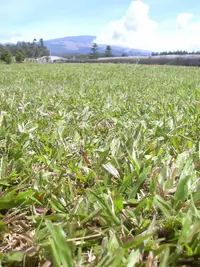
This sedge suits naturalistic plantings, rain gardens, and low-input lawns or meadow-style plantings. It is generally considered easy to manage, especially when light and moisture are matched to its needs, and learning how to care for yellowfruit sedge is straightforward for most home gardeners.

Care Difficulty
Easy Care

Light Preference
Full Sun

Water Requirements
Regular Water

Temperature Preference
Cold Hardy

Hardiness Zone
4–9

Soil Texture
Sandy, Loamy, Clay

Soil pH
Acidic (5.5–6.5), Slightly acidic (6.5–7.0)

Soil Drainage
Moist but well-drained

Fertilization
Minimal (feed rarely)
Scan your plant to receive care tips personalized for your specific plant
Available on iOS and Android
This sun-loving sedge thrives in open, bright sites with consistent exposure.
This species prefers steadily moist soil but not prolonged flooding outside its natural wetland zones.
This cool- to warm-temperate sedge tolerates a wide climate range once established.
Carex annectens handles a wide humidity range and usually needs no special adjustment outdoors.
Carex annectens prefers moist, moderately fertile mineral soil that does not stay waterlogged for long.
This sedge can grow well in containers if moisture and stability are carefully managed.
This native sedge needs only light feeding, as yellowfruit sedge is adapted to low-nutrient soils.
Pruning Carex annectens is mainly cosmetic and helps maintain a tidy clump.
This sedge is usually grown in the ground, so focus on thoughtful transplanting rather than frequent repotting.
Division is the most reliable way to expand plantings of Carex annectens in gardens or restoration areas.
This sedge is cold hardy in much of its range and usually requires minimal winter care in the ground.

Plant Health Check
Not sure what's wrong with your plant? Check your plant's health inside the app.
This species is strongly associated with moist to seasonally wet prairies and sedge meadows in eastern and central North America, often indicating remnant high-quality wetland habitat where it occurs naturally.
Yellowfruit sedge often persists in disturbed, periodically mowed or lightly compacted sites such as roadside swales and drainage ways, which makes it useful in restoration projects that must withstand moderate human impact.
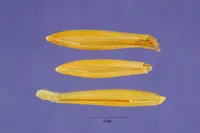
The plant produces small dry fruits called achenes that turn a clear yellow to yellow-orange at maturity, a feature that helps botanists distinguish it from many closely related sedge species.

Carex annectens has two commonly recognized varieties, var. annectens and var. xanthocarpa, which differ subtly in fruit size and shape, and these infraspecific differences are important for precise wetland assessments and floristic surveys.
This species forms clumps and spreads slowly by short rhizomes and self-seeding. It usually stays manageable in maintained beds. In moist, open soils, seedlings may appear nearby, but it is not typically considered aggressively spreading or invasive.
Keep your plants happy and healthy with plant identification, disease detection, and easy care guidance.