Maiden Grass Care (Miscanthus sinensis 'Gracillimus')

Also known as: Zebra Grass, Eulalia, Chinese Silvergrass, Eulalia Grass

About Maiden Grass

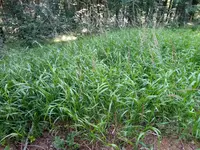
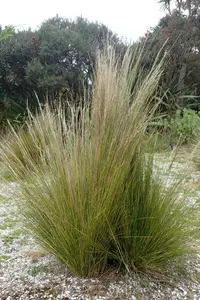
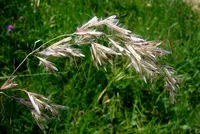
Maiden grass (Miscanthus sinensis 'Gracillimus') is a clump-forming ornamental grass valued for its fine, arching foliage and elegant, fountain-like shape. It is commonly used as a focal plant or in mixed borders.

This species comes from East Asia, where it grows in open, sunny areas with moderate moisture. In gardens it typically forms dense, upright mounds that develop feathery flower plumes in late season.

The plant is generally robust and low maintenance, which makes it straightforward to care for Maiden Grass once it is established. It prefers full sun, moderately moist but well-drained soil, and enough space to show its natural form.

Main Plant Requirements

Care Difficulty

Easy Care

Light Preference

Full Sun

Water Requirements

Moderate Water

Temperature Preference

Cold Hardy

Hardiness Zone

5–9

Soil Texture

Sandy, Loamy, Clay

Soil pH

Acidic (5.5–6.5), Slightly acidic (6.5–7.0)

Soil Drainage

Moist but well-drained

Fertilization

Minimal (feed rarely)

Get Personalized Care Plan

Scan your plant to receive care tips personalized for your specific plant

Available on iOS and Android

How to Care for the Maiden Grass

This ornamental grass prefers bright outdoor conditions with plenty of direct sun for best form and flowering when growing Maiden Grass.

  • Provide 6–8 hours of direct sun daily; full sun encourages dense clumps and stronger fall color.
  • Tolerates light afternoon shade, especially in hotter regions, but dense shade leads to weak, floppy growth and fewer plumes.
  • In cooler climates, choose an open, south- or west-facing site; in hotter areas, slight afternoon shade helps prevent leaf scorch in dry, exposed spots.

This grass prefers evenly moist but well-drained soil, especially during its establishment phase.

  • At planting and during the first growing season, water when the top 3–5 cm of soil feel dry, then soak the root zone deeply.
  • Once established, Miscanthus sinensis 'Gracillimus' tolerates short dry spells; increase watering during hot, windy periods if leaves curl or brown at tips.
  • Use free-draining soil; persistent soggy conditions, a sour smell, or blackening bases of stems indicate overwatering and potential root rot.

This warm-season grass grows best in moderate warmth and tolerates a wide range of garden temperatures.

  • Active growth is strongest around 70–85°F (21–29°C); it remains hardy in most temperate climates once established.
  • Tolerates winter lows near -10°F (-23°C) in the ground; top growth dies back with hard frost but crowns usually survive and resprout in spring.
  • Handles summer heat up to about 95°F (35°C) if soil moisture is adequate; prolonged extreme heat with drought may cause leaf tip scorch and reduced flowering.

Humidity is not a significant factor for Miscanthus sinensis 'Gracillimus', which thrives in typical outdoor air conditions.

Miscanthus sinensis 'Gracillimus' prefers moderately fertile, well-drained mineral soil for strong, upright growth.

  • Use a loamy or sandy loam soil that holds moisture yet drains freely after rain or irrigation.
  • Aim for slightly acidic to neutral pH around 6.0–7.0, avoiding strongly alkaline or very acidic substrates.
  • Incorporate 20–30% compost to improve structure, but avoid very rich, heavily manured mixes that push weak, floppy growth.
  • For heavy clay, mix in coarse sand or fine gravel to increase aeration and reduce waterlogging risk around the root zone.

This grass can be grown in large outdoor containers if the pot is stable and allows for its deep, spreading root system.

  • Choose a wide, heavy container to counterbalance the tall, arching foliage and reduce tipping in strong winds.
  • Select a deep pot to provide at least 30–40 cm of root depth, which supports drought tolerance between waterings.
  • Use a porous material like unglazed clay if extra evaporation is needed in wet climates, improving root-zone oxygen levels.

This ornamental grass benefits from modest feeding in lean soils but often grows well without heavy fertilization.

  • Apply a balanced slow-release fertilizer (such as 10-10-10) or a thin layer of compost once in early spring as new growth starts.
  • Use about half the label-recommended rate to avoid lush, floppy foliage and reduced flowering.
  • Skip additional feeding in mid to late summer unless growth appears pale or weak.
  • Do not fertilize Maiden Grass during winter dormancy; nutrients are not taken up and may leach away.

Pruning supports tidy growth and reliable regrowth for Miscanthus sinensis 'Gracillimus'.

  • Cut back the entire clump to 10–20 cm from the ground in late winter or very early spring before new shoots emerge.
  • Remove dead, broken, or weak stems during the growing season to maintain airflow and reduce disease risk.
  • Use sharp hand pruners or hedge shears, wearing gloves, as old leaves can be sharp.
  • Shaping the clump by even cutting encourages a dense, upright fountain form and consistent flowering.

This grass is most often grown in the ground, with transplanting or container division needed only every few years.

  • Plan major transplanting or potting-up for early spring or early fall, when temperatures are mild and moisture is reliable.
  • Look for signs such as congested crowns, roots circling a container, or declining vigor as cues that relocation or division is needed.
  • Lift the clump carefully, split it with a sharp spade or knife into firm sections with healthy roots, and replant at the same soil level.
  • Water deeply after planting, then keep soil evenly moist for several weeks to limit root stress and support quick establishment.

Division is the standard and most reliable method for increasing Miscanthus sinensis 'Gracillimus'.

  • Divide mature clumps every 3–5 years in early spring just as new growth begins, or in early fall in mild climates.
  • Dig up the clump and cut it into several firm pieces, ensuring each division has strong buds and a solid root mass.
  • Replant divisions immediately in well-drained soil, spacing them to allow full-sized clumps and good air circulation.
  • Water consistently until new shoots extend several inches, then reduce to normal irrigation as plants establish.

This species is generally cold hardy in much of the US and needs only modest winter care in the ground.

  • Leave dried foliage and flower plumes standing through winter to shield the crown and provide visual interest.
  • In colder regions, apply a 5–8 cm mulch layer around the base after the soil cools to insulate roots.
  • For container plants in cold climates, move pots to a sheltered, unheated space or wrap containers to reduce root freezing.

Care Tips

Spring clump division

Every 3–5 years in early spring, slice and lift the outer vigorous portions of the clump with a sharp spade to rejuvenate growth, prevent center die-out, and produce new plants for other parts of the garden.

Discreet staking method

In windy sites, place 2–3 discreet green metal stakes in a triangle around the clump and run soft garden twine loosely through the foliage at mid-height to keep the fountain shape without visibly tying the plant.

Winter crown protection

In colder regions, leave the dried foliage standing over winter to insulate the crown, then cut it back only in late winter to reduce frost damage and protect emerging shoots.

Root barrier planning

Install a vertical root barrier or edge the planting bed annually with a sharp spade to keep rhizomes from creeping into nearby lawn or beds while still allowing the plant to form a full, arching clump.

Flower panicle management

If seed spread is a concern, cut back flower panicles before they fully mature and fluff, which limits self-sowing while still allowing most of the ornamental display when caring for Maiden Grass.

Common Pests and Diseases

Rust

This disease causes small orange, brown, or reddish pustules on leaves, often starting on lower foliage in humid conditions.

Solution

Remove and discard affected leaves, avoid overhead watering, and increase spacing and airflow around clumps; in persistent cases, apply a labeled fungicide for ornamental grasses during early symptom development as part of broader Miscanthus sinensis 'Gracillimus' care instructions.

Leaf spot

This disease produces tan to brown spots with darker borders on leaf blades, which can merge and cause premature browning and dieback, especially in warm, wet weather.

Solution

Cut and dispose of heavily spotted foliage, keep irrigation at the base rather than on the leaves, and improve air circulation; where problems recur, apply a grass-safe fungicide early in the season and clean up all dead leaves in fall to reduce inoculum.

Stem and crown rot

This disease leads to yellowing and collapse of shoots from the base, often in poorly drained or waterlogged soils, with darkened, decaying tissue at the crown.

Solution

Dig out and discard severely affected clumps, improve drainage with raised beds or soil amendment, and avoid overwatering; when replanting, space plants well and keep mulch slightly away from the crown to reduce prolonged moisture contact.

Aphids

These insects cluster on young shoots and leaf bases, feeding on sap and sometimes leaving sticky honeydew that can lead to sooty mold on foliage.

Solution

Spray colonies off with a strong stream of water, encourage natural predators such as lady beetles, and, if necessary, use insecticidal soap or horticultural oil on the infested areas, repeating applications according to label directions until populations decline.

Grasshoppers

These insects chew irregular holes and ragged edges in leaves, sometimes causing noticeable cosmetic damage during outbreaks in hot, dry weather.

Solution

Handpick individuals where practical, reduce nearby tall weeds that harbor nymphs, and consider using floating row covers on young plantings or applying a targeted grasshopper bait away from desirable plants while following all label safety directions.

Interesting Facts

Fine-Textured Foliage

This cultivar was selected for its particularly narrow, arching leaves that create a fine-textured, almost feathery appearance compared with many other Miscanthus forms.

Consistent Copper Fall Color

In autumn, its foliage reliably turns coppery-bronze to golden tones, providing strong seasonal contrast in temperate gardens before the leaves finally dry to a pale straw color.

Graceful Fountain Habit

Mature clumps form a dense, upright-arching mound that can resemble a fountain, which is why it is widely used as a structural accent in ornamental grass plantings.

Botan icon

Did you know?

This cultivar has been widely used in breeding programs as a parent plant, helping to develop newer Miscanthus selections with improved traits such as more compact size, different flower timing, and varied foliage coloration.

FAQs about Maiden Grass

This ornamental grass is moderately fast-growing, typically forming a substantial clump within 2–3 years. Growth rate improves with full sun, consistent moisture during establishment, and nutrient-rich but well-drained soil, especially in warm temperate regions.

Grow Healthy Plants with Botan Care

Keep your plants happy and healthy with plant identification, disease detection, and easy care guidance.


Botan plant care app — identify plants on mobile

Explore More Plants