Calamagrostis arundinacea Care

Calamagrostis arundinacea

About Calamagrostis arundinacea

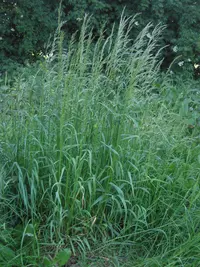
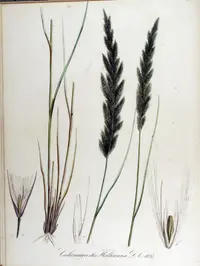
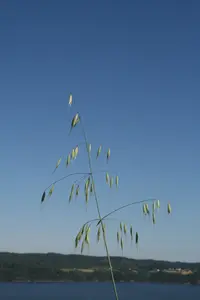
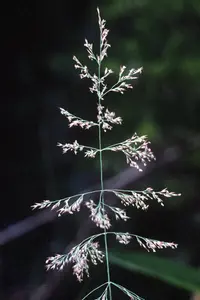
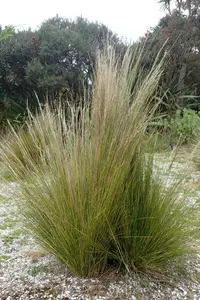
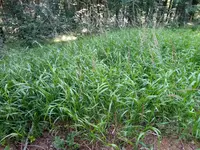
Calamagrostis arundinacea is a cool-season ornamental grass forming upright, narrow clumps with fine foliage and tall, airy flower stems. It creates a light, vertical accent in borders, naturalistic plantings, and meadow-style gardens.

This species is native to woodlands and open slopes across Europe and parts of Asia, where it grows in cool, temperate conditions. It tends to be long-lived and stable, with a tidy habit that makes it simpler to manage than many spreading grasses.

Gardeners who want to care for Calamagrostis arundinacea should know it prefers sun to light shade, consistent moisture, and well-drained soil, yet it usually tolerates ordinary garden conditions without much trouble.

Main Plant Requirements

Care Difficulty

Easy Care

Light Preference

Full Sun

Water Requirements

Moderate Water

Temperature Preference

Cold Hardy

Hardiness Zone

4–8

Soil Texture

Sandy, Loamy, Clay

Soil pH

Acidic (5.5–6.5), Slightly acidic (6.5–7.0)

Soil Drainage

Moist but well-drained

Fertilization

Minimal (feed rarely)

Get Personalized Care Plan

Scan your plant to receive care tips personalized for your specific plant

Available on iOS and Android

How to Care for the Calamagrostis arundinacea

This cool-season ornamental grass thrives in sites with abundant light but tolerates some shade.

  • Provide 6–8 hours of direct sun daily; morning sun with light afternoon shade helps prevent leaf scorch in hot summers.
  • Plant Calamagrostis arundinacea in open positions; it tolerates light or dappled shade but may grow looser and flower less with under 4–5 hours of sun.
  • In regions with intense summer sun, use afternoon shade or nearby plants for filtered light, while in cooler climates full sun all day gives the strongest vertical form.

This grass prefers steadily moist but not waterlogged soil, especially in its first growing seasons.

  • Water when the top 3–5 cm of soil feels dry, then irrigate deeply so moisture reaches the root zone rather than giving light splashes.
  • Ensure free-draining soil or raised beds; prolonged soggy conditions cause root rot, yellowing leaves, and weak clumps, especially in heavy clay.
  • In summer drought, watch for curling or browning leaf tips as a sign to water, while limp, pale foliage and mossy soil often indicate overwatering.

This hardy ornamental grass tolerates a wide temperature range and is well suited to outdoor planting in temperate climates.

  • Active growth is strongest in cool conditions around 50–70°F (10–21°C), with flowering and good color in typical spring and early summer temperatures.
  • Established plants usually survive down to about -20°F (-29°C), though foliage will die back in winter and can be cut to the base before spring regrowth.
  • In hot regions where summer exceeds 85–95°F (29–35°C), growth can slow and tips may brown, so combine with some afternoon shade and consistent soil moisture.

This grass tolerates a wide humidity range and rarely needs special humidity management outdoors.

  • Performs reliably in 30–70% humidity without extra intervention in most temperate gardens.
  • Handles dry air well if soil moisture is maintained, with leaf tips only slightly browning in prolonged drought and wind.
  • Humidity stress shows as browning, curling leaf tips; in very dry, hot spots, shelter from strong drying winds rather than misting.

Calamagrostis arundinacea prefers moderately fertile, well-drained but moisture-retentive soil.

  • Use a loamy or sandy-loam soil with some organic matter so roots have both moisture and air space.
  • Ensure drainage is free; water must percolate through rather than pooling around the crown to prevent rot.
  • A slightly acidic to neutral pH, roughly 6.0–7.0, supports balanced nutrient availability and healthy foliage color.
  • Improve dense or heavy soil by mixing in compost plus coarse sand or fine gravel to increase aeration and drainage.

This species is suitable for container growing if the pot is chosen to support its upright, clumping habit.

  • Select a deep, heavy container to anchor the tall, wind-catching foliage and reduce tipping in exposed sites.
  • Choose a potting mix that drains quickly yet holds some moisture, avoiding pure garden soil that compacts in containers.
  • Raise the pot on feet or blocks so drainage holes stay clear and excess water can escape freely after heavy rain.

This cool-season ornamental grass needs only modest feeding in most garden soils.

  • Apply a light layer of compost or well-rotted manure around clumps in early spring to support fresh growth.
  • Use a balanced slow-release fertilizer (around 10-10-10) at half strength once in spring for poor or sandy soils.
  • Avoid additional feeding in mid to late summer to keep Calamagrostis arundinacea from becoming overly lush and floppy.
  • Do not fertilize in winter or dormancy; excess nutrients then encourage weak, disease-prone growth.

Pruning maintains tidy form and encourages vigorous new shoots in this clump-forming grass.

  • Cut back old foliage to 5–10 cm above ground in late winter or very early spring before new growth starts.
  • Remove dead, damaged, or flattened stems during the season with clean hand pruners to keep clumps neat.
  • Thin out a few crowded stems at the base every 2–3 years to improve air flow and prevent lodging.
  • Leave winter seed heads on Calamagrostis arundinacea until late winter if ornamental structure and wildlife value are desired.

This grass is usually grown in the ground, so management focuses on lifting and transplanting mature clumps.

  • Transplant or divide in early spring or early fall when temperatures are mild and soil is workable.
  • Look for tight, congested clumps, declining vigor, or bare centers as signs Calamagrostis arundinacea needs lifting.
  • Split the root mass into sections with a sharp spade, keeping several buds and healthy roots per division.
  • Replant divisions at the original depth, water thoroughly, and shade lightly for 3–7 days to reduce transplant stress.

Division is the most reliable method for increasing this ornamental grass.

  • Divide established clumps in early spring as new shoots emerge, when soil is moist but not waterlogged.
  • Lift the clump and cut into 2–4 sections, ensuring each has strong buds and a solid root portion.
  • Replant divisions promptly at original depth in well-drained soil, spaced to allow mature spread.
  • Seed propagation of Calamagrostis arundinacea is possible but slower and less consistent, so is mainly used by specialists.

This species is cold hardy in most temperate climates and needs minimal winter care in the ground.

  • In zones with severe freeze-thaw cycles, apply a 5–7 cm mulch layer around the base to stabilize soil temperatures.
  • Leave standing foliage and seed heads over winter; they insulate the crown and add structure.
  • Move container-grown Calamagrostis arundinacea to a sheltered, unheated area where roots are less exposed to deep freezing.

Care Tips

Prevent lodging

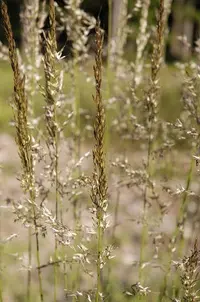
In windy or exposed sites, run a low, loose loop of jute twine around the clump at about 30–40 cm height in spring to keep stems upright without looking tied in.

Divide on schedule

Rejuvenate older clumps every 4–5 years by lifting and dividing in early spring, keeping only the vigorous outer sections and discarding congested, woody centers.

Leave winter structure

Do not cut back the foliage in autumn; leave stems standing over winter to protect the crown, provide habitat for beneficial insects, and then cut down to 5–10 cm just before new growth starts.

Use breathable mulch

Apply a thin, 2–3 cm layer of composted bark or leaf mold around but not on top of the crown to suppress weeds and conserve moisture while avoiding crown rot.

Plan for spread

When growing Calamagrostis arundinacea in mixed borders, allow at least 45–60 cm around each plant so the clump can expand without crowding neighboring perennials or shrubs.

Common Pests and Diseases

Rust

This disease causes small orange, brown, or yellow pustules on leaves and sometimes stems, often appearing in clusters on the underside of foliage.

Solution

Remove and dispose of affected leaves to reduce spore spread, avoid overhead watering, and ensure good air circulation by not crowding plants; in persistent cases, use a labeled sulfur or copper-based fungicide applied according to instructions, especially during warm, humid periods common when growing Calamagrostis arundinacea.

Leaf spot

This disease produces tan to dark brown spots on leaves that may coalesce into larger dead patches, leading to premature browning of foliage.

Solution

Cut and discard heavily spotted leaves, keep foliage as dry as possible by watering at soil level, and thin nearby plants to improve airflow; if conditions stay wet and symptoms worsen, apply a broad-spectrum ornamental grass fungicide labeled for leaf spot, following the product directions carefully.

Aphids

These insects feed on young stems and leaf bases, causing distortion, sticky honeydew, and sometimes sooty mold on lower foliage.

Solution

Rinse colonies off with a strong stream of water, encourage natural predators like lady beetles, and if populations remain high, treat with insecticidal soap or a neem oil spray, targeting the undersides of leaves and repeating as directed until numbers decline.

Grass thrips

These insects rasp and suck sap from leaf surfaces, leading to silvery streaks, fine speckling, and sometimes brown, dried tips on blades.

Solution

Trim and dispose of badly damaged foliage, reduce plant stress with consistent watering, and treat active infestations using insecticidal soap or a horticultural oil, ensuring good coverage inside the clump and repeating at 5–7 day intervals if needed.

Powdery mildew

This disease appears as white to gray powdery patches on leaf surfaces, which can cause yellowing and premature leaf aging in shaded or crowded plantings.

Solution

Improve light and air movement around the clump by spacing and pruning nearby plants, remove heavily infected leaves, avoid overhead watering late in the day, and in recurring cases apply a labeled powdery mildew fungicide such as a potassium bicarbonate or sulfur product according to label directions.

Interesting Facts

Early spring growth

This grass resumes growth very early in spring compared to many other ornamental grasses, which makes it useful for extending the visual season in temperate gardens.

Stable clump habit

Calamagrostis arundinacea forms dense, non-running clumps, since it lacks aggressive rhizomes, so it tends to stay where it is planted rather than spreading invasively in managed landscapes.

Cold climate tolerance

Native to cool regions of Europe and Asia, it tolerates low temperatures and performs reliably in USDA zones where many warm-season ornamental grasses struggle.

FAQs about Calamagrostis arundinacea

This species forms upright clumps and spreads slowly by short rhizomes. It can broaden over time but is not typically aggressive. In most gardens it stays well behaved and is easy to keep within defined spaces.

Grow Healthy Plants with Botan Care

Keep your plants happy and healthy with plant identification, disease detection, and easy care guidance.

Botan plant care app — identify plants on mobile

Explore More Plants