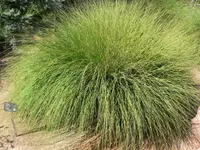
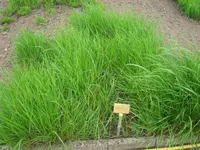
Controlled grazing use
In larger plantings, periodic light grazing or simulated cutting by hand can keep plants vigorous and prevent lodging by encouraging denser basal growth rather than tall, weak stems.

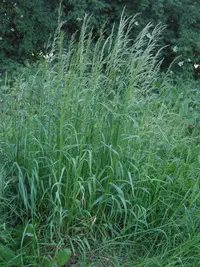
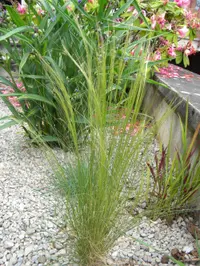
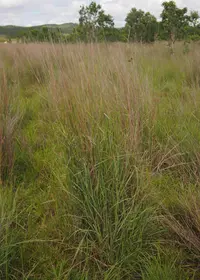
Tall oatgrass, Arrhenatherum elatius, is a perennial bunchgrass commonly found in meadows, pastures, and roadsides. It forms upright clumps with tall, slender stems and loose, oat-like flower heads.
This grass is native to Europe and western Asia but is now widespread in many temperate regions, including parts of North America. It grows vigorously and can outcompete less robust species in favorable conditions.
It adapts well to full sun, moderate moisture, and many well-drained soils, which makes it relatively straightforward to establish. Understanding how to care for tall oatgrass starts with recognizing its fast growth and preference for open, sunny sites.

Care Difficulty
Easy Care

Light Preference
Full Sun

Water Requirements
Moderate Water

Temperature Preference
Cold Hardy

Hardiness Zone
3–8

Soil Texture
Sandy, Loamy, Clay

Soil pH
Slightly acidic (6.5–7.0), Neutral (7.0)

Soil Drainage
Well-drained

Fertilization
Minimal (feed rarely)
Scan your plant to receive care tips personalized for your specific plant
Available on iOS and Android
Arrhenatherum elatius prefers bright, open conditions similar to natural meadows.
This grass prefers evenly moist but not saturated soil once established in the landscape.
This cool-season grass grows best in moderate climates with distinct seasons.
Humidity is rarely critical for Arrhenatherum elatius, which adapts well across typical outdoor ranges.
This grass prefers relatively light, well-drained, moderately fertile soil for stable growth.
This species can be grown in containers, mainly for ornamental or controlled planting.
Arrhenatherum elatius usually grows well in average soil and needs only light feeding under garden conditions.
Pruning Arrhenatherum elatius is mainly done to maintain appearance and prevent self-seeding.
This grass is more often transplanted in the ground than grown long term in containers.
Arrhenatherum elatius is commonly propagated by seed and by division of established clumps.
Arrhenatherum elatius is cold hardy in most temperate climates and usually needs little winter care.

Plant Health Check
Not sure what's wrong with your plant? Check your plant's health inside the app.
This grass forms long‑lived perennial tufts, yet also produces a distinct annual form (sometimes treated as Arrhenatherum elatius subsp. bulbosum) with swollen bulb-like stem bases that help it regenerate after mowing or grazing.
In many European grasslands and roadside habitats, its seeds make up a large share of the persistent soil seed bank, allowing it to re-establish quickly after disturbance and outcompete slower-germinating grasses.
It provides relatively nutritious forage for livestock in cool, moist regions, but its tall, coarse stems and tendency to form dense stands can reduce plant diversity in overfertilized or poorly managed pastures.

In parts of North America, this Eurasian species is listed as a noxious or invasive grass because its tall, dense growth and prolific seed production allow it to displace native prairie species and alter fire behavior in invaded grasslands.
This species spreads by both seed and short rhizomes, forming dense clumps and patches over time. In mild, moist regions it can become weedy. Mowing, grazing, or timely cutting of seed heads helps limit spread.
Keep your plants happy and healthy with plant identification, disease detection, and easy care guidance.