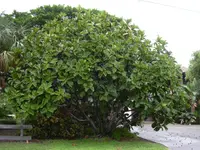
Rain‑dependent latex flow
Latex tapping yields in this species rise after regular rainfall because consistent root-zone moisture supports active sap flow, while prolonged dry spells reduce pressure in the latex vessels and can lower production.


This page explains when, how often, and how much to water Hevea brasiliensis in straightforward, practical terms.

Water Requirements
Moderate Water

Native to humid, seasonally rainy forests, this plant grows with soil that stays lightly moist but not saturated. Hevea brasiliensis in the landscape usually handles brief surface drying better than prolonged soggy conditions.
Indoor watering rubber tree care leans toward steady, gentle moisture, while outdoor trees depend more on natural rainfall patterns. These basics outline how to water rubber tree at a high level before fine-tuning for climate and site.
Let the top 1–2 inches (3–5 cm) of soil dry before watering again; the plant prefers a slightly dry pause between waterings. Indoors, this typically means about every 7–14 days, but bright light or outdoor heat shortens the interval, while lower light or cooler rooms extend it.
Water rubber tree when the top 1–2 inches (3–5 cm) of soil feel dry, using slow, deep, controlled watering.
Incorrect moisture levels easily disturb Hevea brasiliensis health, stressing roots, leaves, and overall growth.
Older leaves fade to yellow and drop when soil stays wet longer than roots tolerate.
Roots turn brown and soft, with sour-smelling mix, after chronic waterlogged or poorly draining containers.
Leaf margins dry and curl when soil repeatedly swings from very dry to sudden drenching.
Foliage droops even in moist mix when roots suffocate from compacted, oxygen-poor substrate.
New shoots emerge small and slow when watering is inconsistent and substrate remains heavy or soggy.
Keep roots in evenly moist, well-drained substrate, avoiding both prolonged dryness and persistent saturation.
Poor watering habits slowly weaken Hevea brasiliensis, reducing growth, leaf quality, and resilience to pests and environmental stress.
Aim for evenly moist, well‑drained soil, adjusting timing to actual pot dryness rather than routine, seasons, or guesswork.
Watering Advice
Learn when to water your plant and avoid common watering mistakes.
Use Botan for a clear watering guide and practical care steps for Hevea brasiliensis, plus gentle photo-based checkups to flag possible pests, diseases, and other early stress signs.
Latex tapping yields in this species rise after regular rainfall because consistent root-zone moisture supports active sap flow, while prolonged dry spells reduce pressure in the latex vessels and can lower production.
Mature trees tolerate heavy tropical rains but are sensitive to long-term waterlogging, which can damage roots and increase disease risk, so plantations are usually sited on well-drained soils or gently sloping land.
In regions with a marked dry season, this species may shed part of its canopy and slow growth, which reduces water loss through transpiration and helps it survive several weeks of reduced soil moisture.
Water slowly until excess runs from the drainage holes, then stop. In small pots this may be a cup or less; in large containers, several cups. Volume matters less than thorough, even moisture throughout the root zone.
Use Botan to review your watering pattern and confirm it matches your plant’s needs.
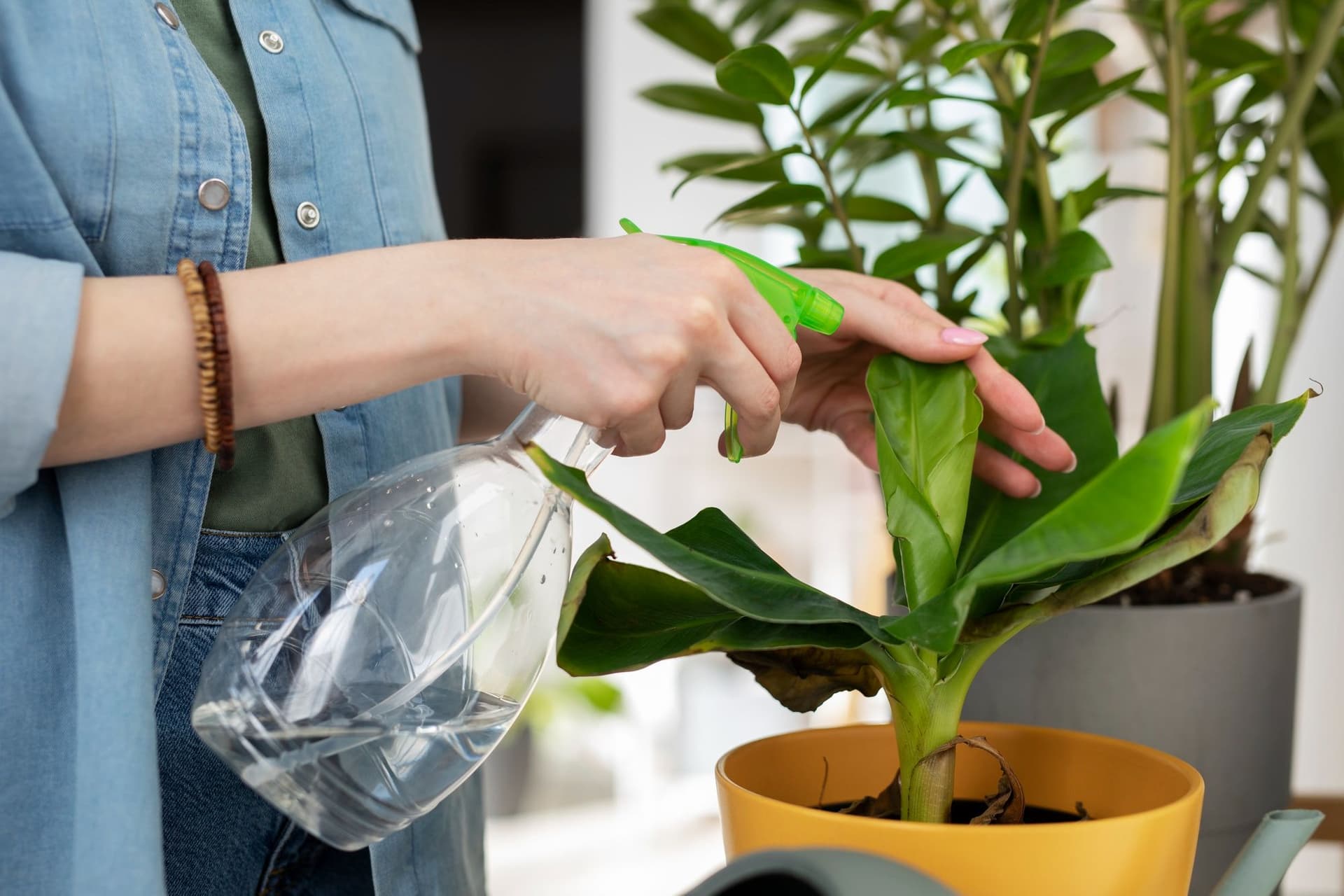
7 min read · 30 Jul 2026
Find out when misting works well and when to avoid it. Here, you’ll find detailed information about compatible and incompatible species, tips on how often to mist plants and do it correctly, and some great alternatives for raising humidity.

8 min read · 6 Nov 2026
Plants that glow in the dusk really exist. Some of them produce their own light, while others need UV exposure or special treatments. Explore eight fascinating examples, including glowing petunias, bioluminescent mushrooms, fluorescent flowers, and experimental succulents.
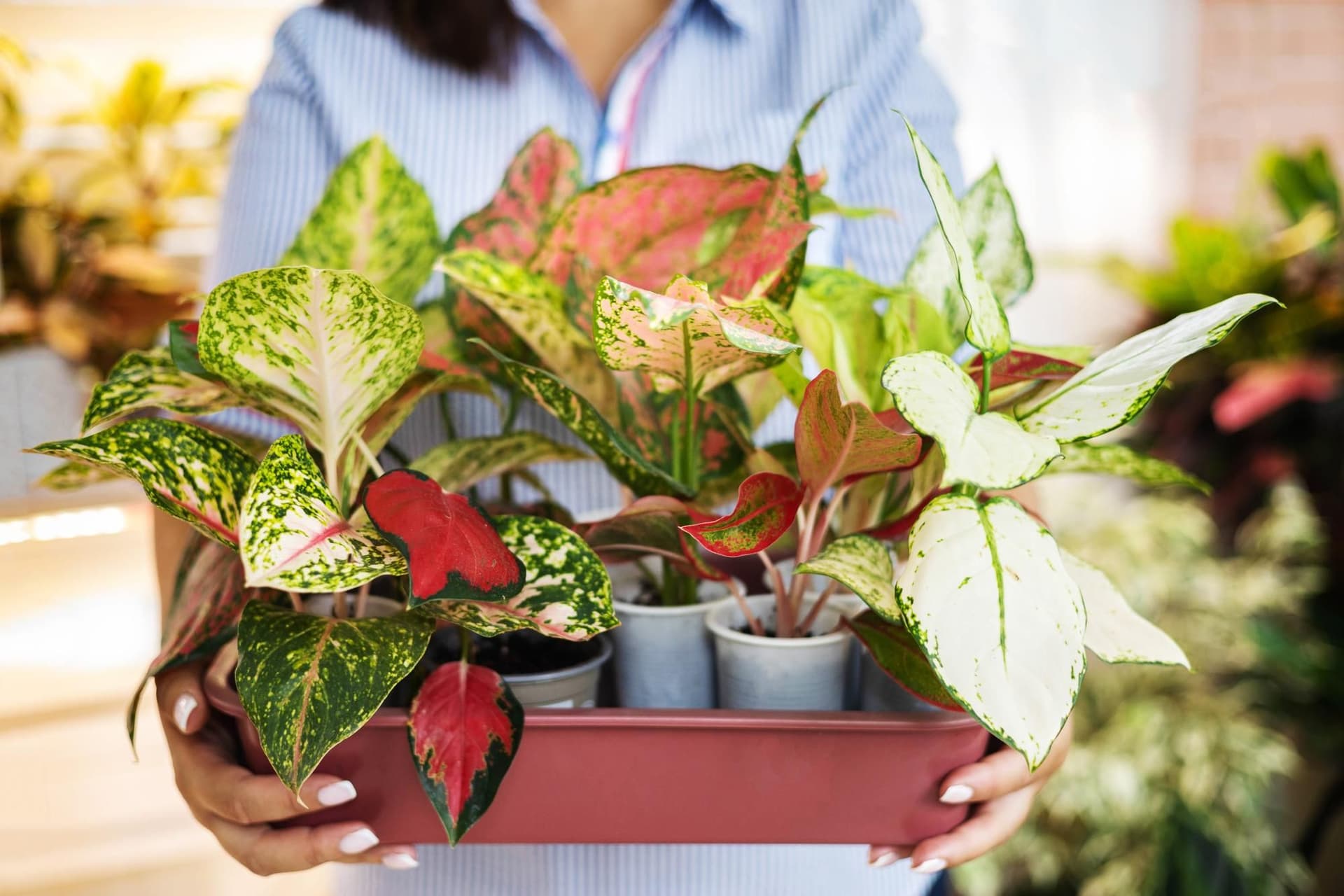
6 min read · 21 Sept 2026
Rare houseplants can turn an ordinary corner in your apartment into a living botanical collection. This guide covers 12 most admired picks, what makes them special, and how to grow them successfully at home.