Deep drought resilience
This Mediterranean cypress develops a deep root system in its native Eastern Mediterranean range, allowing mature trees to withstand long, hot, dry summers with very limited rainfall once established.

This page explains when, how often, and how much to water Cupressus sempervirens for steady, healthy growth.

Water Requirements
Low Water

Native to Mediterranean climates with dry summers and modest seasonal rainfall, Italian cypress manages on relatively slight moisture once established. Cupressus sempervirens prefers soil that dries somewhat between waterings rather than staying consistently wet in ordinary garden settings.
As a foundation, watering Italian Cypress means supporting steady growth without creating lush, constantly damp conditions. In containers, this balance typically requires more attentive monitoring than for in-ground trees exposed to natural rainfall patterns.
Let the top 2–3 inches (5–8 cm) of soil dry before watering again; the root zone prefers to dry slightly between soakings. In containers, this typically means watering every 7–14 days, less often for established outdoor trees, with hotter, windy weather shortening the interval.
Water Italian Cypress when the top 2-3 inches of soil feel dry, using slow, deep soakings that reach the full root zone.
Incorrect moisture levels often trigger health problems for Cupressus sempervirens in gardens and containers.
Older inner sprays turn dull yellow when roots sit in chronically damp, slow-draining soil.
Branch tips crisp and brown from repeated underwatering, intense reflected heat, or prolonged drought stress.
Lower stems weaken and lean as waterlogged roots decay in compacted or poorly drained ground.
Overall growth remains thin and slow when inconsistent watering alternates between very dry and oversaturated conditions.
Provide deep, infrequent watering in well-drained soil, avoiding both chronic drought and persistent saturation.
Unsuitable watering habits disrupt Cupressus sempervirens drought-tolerant rhythm and can weaken its narrow structure, especially in containers or new plantings.
Prioritize fast drainage, responsive watering based on soil feel, and quick removal of trapped water to keep Italian cypress stable.
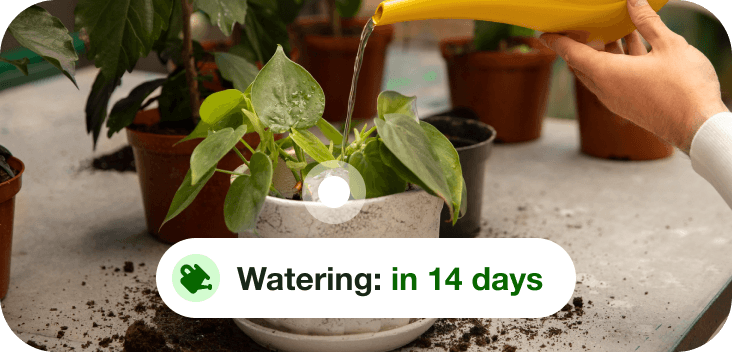
Watering Advice
Learn when to water your plant and avoid common watering mistakes.
Use Botan for a clear watering guide and simple care steps for Cupressus sempervirens, plus gentle photo-based checks that help flag early signs of stress or pests.
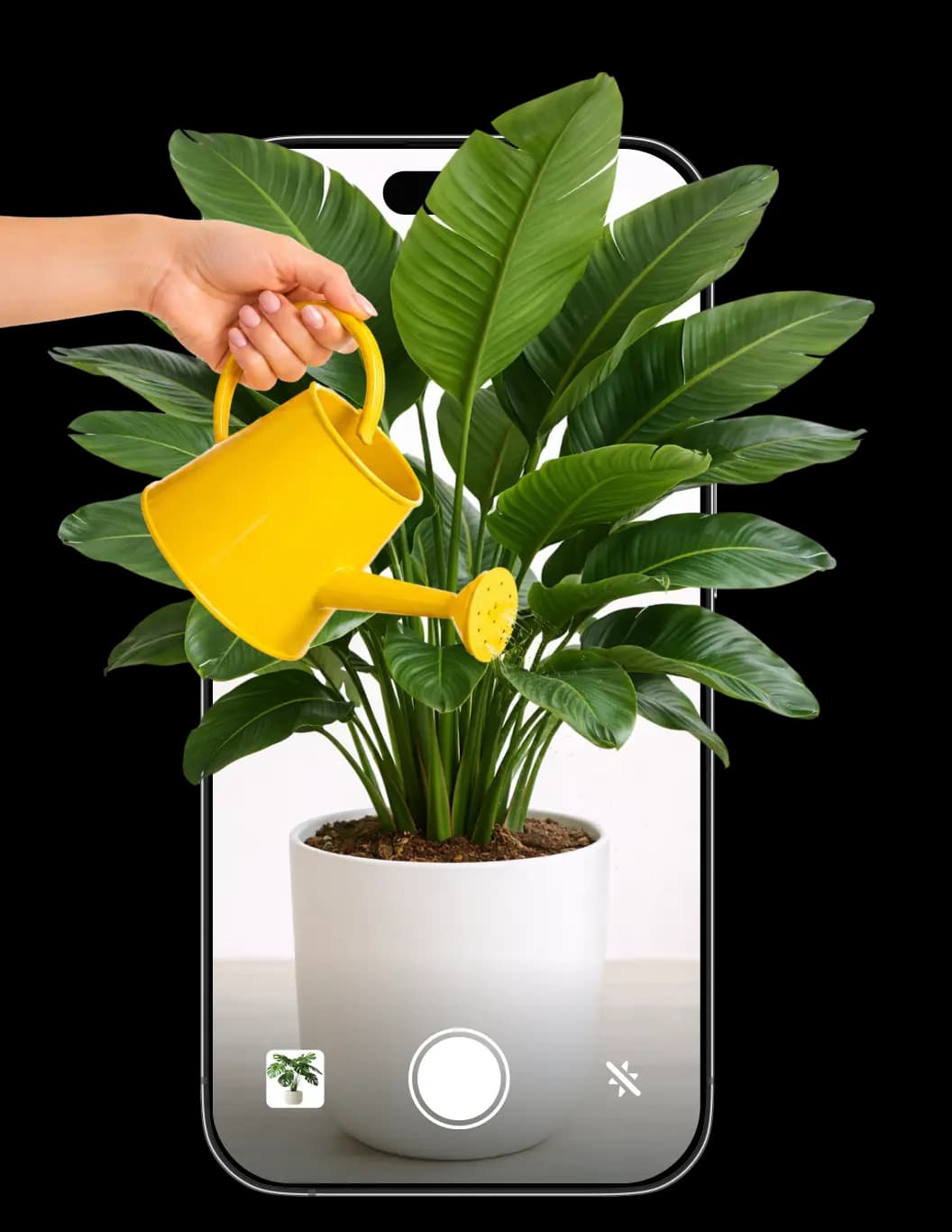
This Mediterranean cypress develops a deep root system in its native Eastern Mediterranean range, allowing mature trees to withstand long, hot, dry summers with very limited rainfall once established.
Although adult trees tolerate drought, C. sempervirens seedlings in nature typically establish in microsites with slightly higher moisture, such as rock crevices or terrace edges, where intermittent water collects but does not remain waterlogged.
Field observations from Mediterranean plantations show that trees on heavy, poorly drained soils suffer root decline and dieback, indicating this species is adapted to well‑drained, relatively dry substrates rather than chronically wet conditions.
Clean tap water that is low to moderate in salts is usually fine. Let heavily chlorinated water sit 24 hours before use. Avoid softened water, which adds sodium and can build up in the root zone.
Botan reviews your watering pattern so adjustments are easier to understand and apply.
12 min read · 7 Aug 2026
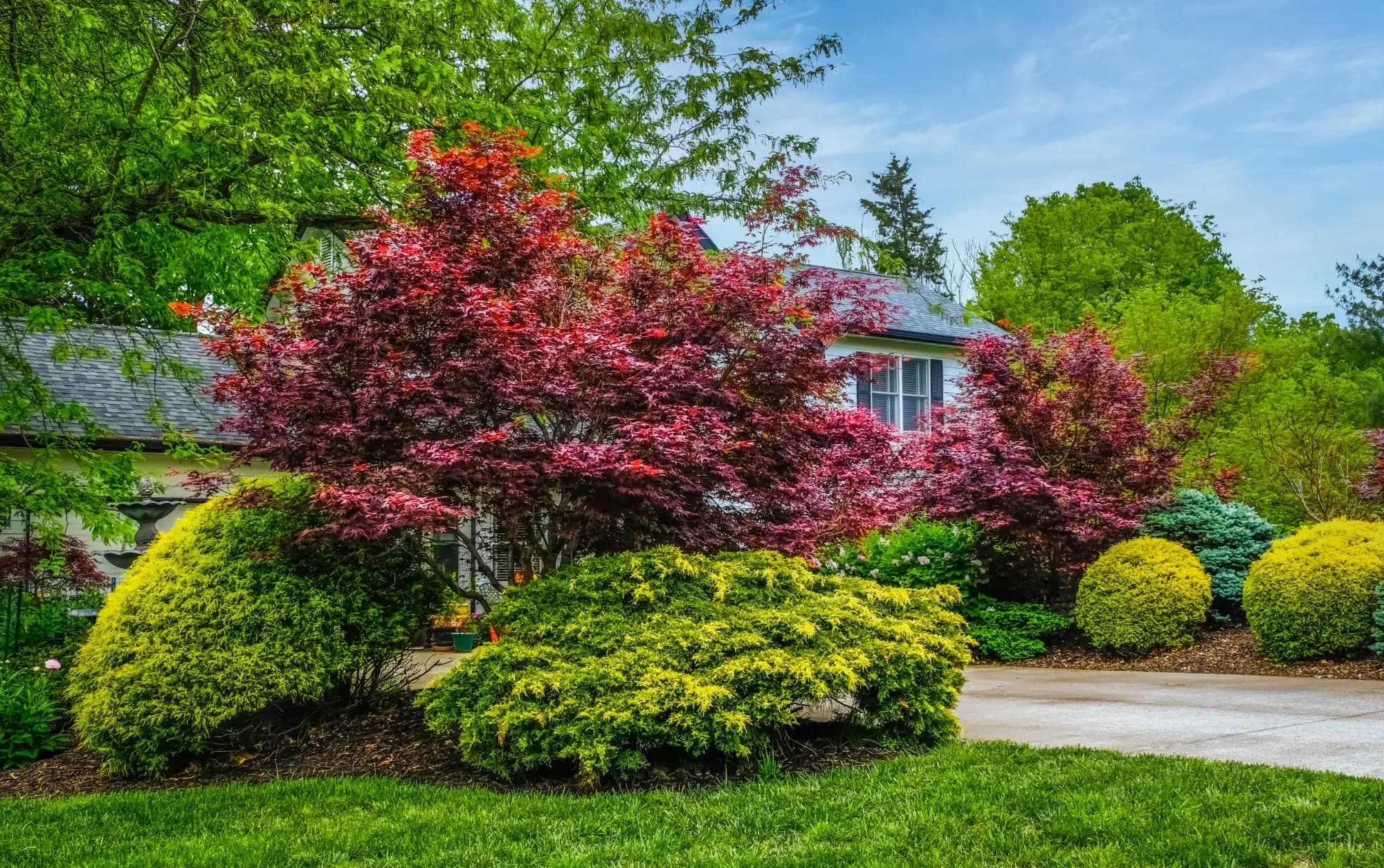
A front yard tree can stay for decades. Therefore, choosing one deserves serious consideration. Here are 13 trees that have proven themselves, sorted by their purpose. You'll also find five species to avoid and basic planting information.
8 min read · 24 Jul 2026
Spiders constantly appear in places you don't want them. A few common plants can help repel them using scent alone. Here are 12 options suitable for both indoors and outdoors, plus care tips for each.
7 min read · 20 Aug 2026
Plant pot sizes can be confusing because the number on the label only tells you part of the required information. A container may look spacious but actually be too shallow. So, how to choose pot size for plant species?