rubber tree Care (Hevea brasiliensis)

Also known as: Para rubber tree

About rubber tree

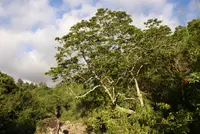
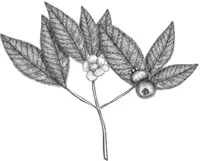
The rubber tree, Hevea brasiliensis, is a fast-growing tropical tree best known as the main natural source of latex. In the wild, it can form tall, straight trunks with a broad, light canopy. Leaves are typically glossy, green, and elongated, giving the plant a clean, structured look. It is native to the Amazon Basin but is now widely cultivated in tropical regions worldwide. As a cultivated tree, it prefers warm temperatures, consistent moisture, and well-drained soil. Its vigor and tolerance of pruning can make it manageable, but indoor growers should research how to care for rubber tree before long-term cultivation.

Main Plant Requirements

Care Difficulty

Moderate Care

Light Preference

Full Sun

Water Requirements

Moderate Water

Temperature Preference

Tropical / Frost Sensitive

Hardiness Zone

11–12

Soil Texture

Sandy, Loamy, Organic-rich

Soil pH

Acidic (5.5–6.5), Slightly acidic (6.5–7.0)

Soil Drainage

Moist but well-drained

Fertilization

Minimal (feed rarely)

Get Personalized Care Plan

Scan your plant to receive care tips personalized for your specific plant

Available on iOS and Android

How to Care for the rubber tree

This species needs bright, stable light to maintain strong growth and latex production.

  • Provide 6–8 hours of bright light daily, with full morning sun and light afternoon shade in hot climates to prevent leaf scorch.
  • Tolerates light partial shade, but dense shade leads to slower growth, thinner stems, and sparse foliage in a rubber tree.
  • In tropical or subtropical regions, use taller trees or shade cloth to filter harsh midday sun, especially during the dry season.

Hevea brasiliensis prefers consistently moist but not saturated soil for healthy root and latex development.

  • Before watering, check that the top 3–5 cm of soil feels slightly dry but deeper layers remain faintly moist, especially in young plantations.
  • During hot or dry seasons, increase watering or irrigation frequency, ensuring free-draining soil so water does not pool around roots.
  • Signs of overwatering include yellowing leaves and soft, dark roots, while underwatering causes leaf droop, edge browning, and premature leaf drop.

Stable warm temperatures are essential for vigorous growth and latex yield in this species.

  • Ideal growth occurs around 77–88°F (25–31°C), with steady warmth supporting continuous leaf and stem development.
  • Trees suffer below 50°F (10°C) and can be damaged or killed by frost near 32°F (0°C), so frost-free conditions are required.
  • Short periods up to 95–100°F (35–38°C) are tolerated if soil moisture is adequate, but prolonged heat with drought causes leaf drop and stress.

This species appreciates moderate to high air humidity but adapts reasonably in typical indoor conditions.

  • Aim for 40–60% humidity to reduce leaf edge browning and improve overall vigor in rubber tree plants.
  • Tolerates short dry spells, but prolonged air below 30% can cause curled, crisp margins and occasional leaf drop.
  • Increase humidity with a nearby tray of damp pebbles, grouped plants, or a room humidifier rather than misting leaves.

Hevea brasiliensis prefers deep, well-structured, fast-draining soil that still holds some moisture and nutrients.

  • Use a loose, loamy mix with 40–60% organic matter (compost or leaf mold) combined with mineral components such as coarse sand and perlite.
  • Target slightly acidic to neutral soil, around pH 6.0–7.0, to support nutrient availability and stable root growth.
  • Improve aeration and drainage by adding chunky bark or coarse perlite so water moves through the profile instead of pooling around roots.
  • Avoid heavy clay, compacted, or waterlogged conditions, which restrict oxygen and greatly increase the risk of root rot.

This species can be grown in containers when given adequate root volume and careful moisture control.

  • Choose a tall, heavy pot to provide root depth and counterbalance the plant’s height so it does not tip in wind or when moved.
  • Select a container material that matches your climate, such as terracotta for drier roots in humid regions or plastic for slower drying in arid areas.
  • Ensure several large drainage holes and elevate the pot slightly on feet so excess water escapes quickly and does not reabsorb into the root zone.

Hevea brasiliensis benefits from moderate, targeted feeding during active growth in warm months.

  • Use a balanced liquid NPK fertilizer at 1/2 strength every 4–6 weeks during spring–summer for potted or young trees.
  • For in-ground plants, apply a light layer of well-rotted compost around the drip line once per growing season.
  • Avoid fertilizing in late fall–winter when growth slows, to prevent weak, cold-sensitive tissue.
  • Slow-release granules can be used at the start of the growing season, following label rates and watering in well.

Pruning Hevea brasiliensis focuses on structural safety and maintaining a manageable canopy.

  • Carry out main pruning in late winter or early spring, before vigorous new growth starts.
  • Remove dead, diseased, crossing, or inward-growing branches to improve air flow and light penetration.
  • Shorten overly tall or leggy branches to shape the canopy and promote stronger lateral growth.
  • Use clean, sharp bypass pruners or a pruning saw, making smooth cuts just above a bud or branch collar.

Transplanting or repotting Hevea brasiliensis is mainly relevant for young or container-grown trees as they outgrow space.

  • Look for roots circling the pot, pushing through drainage holes, or noticeably slowed growth as cues to move up a size.
  • Aim to repot or transplant in late spring, when soil is warm and the plant can re-establish quickly.
  • For containers, shift to a pot 1–2 in wider, using a free-draining mix and setting the root collar at original depth.
  • Water thoroughly after moving, then keep soil evenly moist and shade the plant lightly for 1–2 weeks to reduce transplant shock.

Propagation of Hevea brasiliensis is commonly done from seeds or semi-hardwood cuttings in controlled conditions.

  • Sow fresh seeds in warm conditions around 77–86°F, using a sterile, well-draining medium and keeping it evenly moist.
  • For cuttings, take semi-hardwood pieces in late spring–summer, 10–15 cm long, with 2–3 leaves retained.
  • Dip cut bases in rooting hormone, insert into a moist, airy substrate, and provide bottom heat and high humidity.
  • Maintain bright, indirect light and avoid waterlogging to reduce rot and support steady root formation.

Hevea brasiliensis is frost-sensitive and needs careful winter management outside tropical climates.

  • In regions below 40°F, grow as a container plant and move indoors before first frost, providing bright indirect light.
  • Outdoors in marginal climates, use 5–8 cm of mulch around the root zone, keeping it away from the trunk.
  • Avoid winter fertilization and heavy pruning, which can stimulate tender growth vulnerable to cold damage.

Care Tips

Support young trunks

Install a sturdy stake next to young plants and loosely tie the main stem with soft ties to keep the trunk straight and stable during the first 2–3 years, then gradually remove support as wood strength increases.

Manage latex sap

When pruning, use clean, sharp tools and immediately dab the cut surfaces with clean water or a small amount of horticultural wax to slow latex flow and reduce stress on the plant.

Root zone mulching

Apply a 5–8 cm layer of coarse organic mulch around the root zone, keeping it 5–10 cm away from the trunk, to stabilize soil temperature and reduce surface compaction in outdoor plantings.

Wind and canopy training

In windy sites, allow some side branches to develop on the sheltered side and prune more lightly there so the canopy balances wind pressure and reduces the risk of leaning or wind-throw.

Prevent scale outbreaks

Inspect the undersides of leaves and young stems every 2–4 weeks for early signs of scale insects, and if found, wipe affected areas with a cloth slightly moistened with horticultural oil to prevent heavy infestations when growing rubber tree in warm climates.

Everything About rubber tree

Common Pests and Diseases

South American leaf blight

This disease causes circular to irregular brown leaf spots with yellow halos, followed by leaf distortion, shot holes, and heavy defoliation in humid conditions.

Solution

Remove and destroy fallen and heavily infected leaves to reduce spore spread, avoid overhead irrigation, and maintain good spacing and airflow around trees; in plantation or serious hobby settings, use resistant clones where possible and apply a copper-based or other registered fungicide preventively during prolonged warm, wet periods if local regulations and labels allow.

powdery mildew

This disease produces a white to gray powdery coating on young leaves, shoots, and sometimes flowers, which can cause leaf curling and reduced growth.

Solution

Improve light and air movement around the canopy, avoid excess nitrogen fertilization, remove heavily affected shoots, and, if needed, apply a sulfur or potassium bicarbonate-based fungicide labeled for ornamental trees, keeping sprays off latex tapping wounds where possible.

Corynespora leaf fall

This disease leads to small brown or dark olive spots that enlarge with a yellow margin and cause premature leaf fall, especially on young foliage during wet weather.

Solution

Collect and destroy fallen leaves, prune for better airflow, avoid wetting foliage when watering, and in plantation or high-value specimens consider resistant planting material plus a preventive fungicide program based on local extension or professional guidance for Hevea brasiliensis plant care.

mealybugs

These insects appear as white, cottony clusters on leaves, petioles, and stems, sucking sap and promoting sooty mold growth on honeydew deposits.

Solution

Isolate infested plants if grown in containers, wipe or rinse colonies off with a cloth or spray of water and mild insecticidal soap, prune heavily infested twigs, and, for persistent problems outdoors, encourage natural predators or use a systemic insecticide specifically labeled for woody ornamentals, following all safety directions.

scale insects

These insects form small, rounded or oval bumps on stems and leaf veins, feeding on sap and often leading to yellowing leaves, reduced vigor, and sticky honeydew that supports sooty mold.

Solution

Gently scrape or wipe off accessible scales, prune and discard badly infested branches, apply horticultural oil during vulnerable life stages to smother nymphs, and support biological control agents when growing trees outdoors by minimizing broad-spectrum insecticide use.

Interesting Facts

Primary natural rubber source

This Amazonian tree is the main global source of natural rubber, which is harvested from its latex and used in products such as tires, gloves, and many industrial materials.

Latex defense mechanism

Its white latex is a defensive secretion that helps seal wounds and deter herbivores and pathogens, rather than a resource the tree produces for human use.

Monoculture disease risk

Large plantations often consist of genetically similar trees, which makes them highly vulnerable to fungal diseases such as South American leaf blight, a major concern in Hevea brasiliensis plant care and breeding programs.

Botan icon

Did you know?

During the late 19th and early 20th centuries, seeds of this species were smuggled from the Amazon to Southeast Asia, enabling plantations in British colonies that rapidly shifted the global center of natural rubber production away from South America.

FAQs about rubber tree

This species rarely flowers outside its native tropical habitat because it needs specific climate, daylength, and pollinators. Indoors or in non-tropical gardens, it is grown for foliage and latex production rather than for ornamental blooms.

Grow Healthy Plants with Botan Care

Keep your plants happy and healthy with plant identification, disease detection, and easy care guidance.

Botan plant care app — identify plants on mobile

Explore More Plants