Campomanesia guazumifolia Care

Campomanesia guazumifolia

About Campomanesia guazumifolia

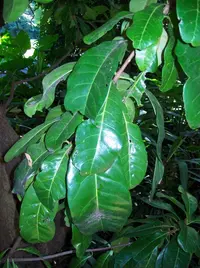
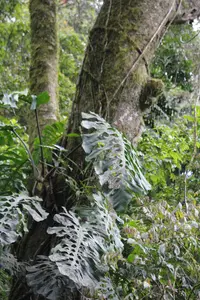
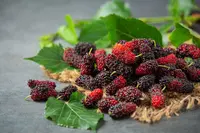
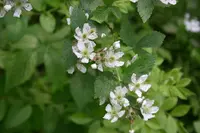
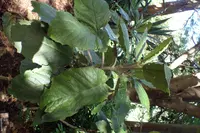
Campomanesia guazumifolia is a small to medium evergreen tree from the Myrtaceae family, grown mainly for its edible, aromatic fruits. It typically has a rounded crown, simple glossy leaves, and bears small yellowish fruits with a sweet to slightly resinous flavor.

This species is native to southern Brazil, Uruguay, Paraguay, and northern Argentina, where it grows in subtropical forests and open woodlands. In cultivation it prefers mild, frost-free climates but can tolerate brief light cold once established.

Gardeners who want to care for Campomanesia guazumifolia should note that it benefits from full sun, moderate and consistent soil moisture, and well-drained, slightly acidic to neutral soil. Its moderate growth rate and general resilience make it manageable for growers with some fruit tree experience.

Main Plant Requirements

Care Difficulty

Moderate Care

Light Preference

Full Sun

Water Requirements

Regular Water

Temperature Preference

Warm Climate

Hardiness Zone

10–11

Soil Texture

Sandy, Loamy, Organic-rich

Soil pH

Acidic (5.5–6.5), Slightly acidic (6.5–7.0)

Soil Drainage

Moist but well-drained

Fertilization

Minimal (feed rarely)

Get Personalized Care Plan

Scan your plant to receive care tips personalized for your specific plant

Available on iOS and Android

How to Care for the Campomanesia guazumifolia

This species prefers bright, warm conditions similar to its native South American habitat.

  • Provide 6–8 hours of sun daily, ideally with direct morning sun and light afternoon shade to protect leaves from scorch.
  • Campomanesia guazumifolia tolerates partial shade, but fruiting and growth decline if it receives less than about 4 hours of direct light.
  • In hot summers, use filtered light or shade cloth during intense midday sun, and in winter ensure an open, unshaded position to maximize lower-angle light.

Watering should support steady growth while preventing prolonged soggy soil.

  • Irrigate when the top 3–5 cm of soil feels dry, applying a deep soak that moistens the root zone rather than frequent light sprinkling.
  • Use well-drained soil or a planting site that does not puddle; persistent wetness leads to root rot, yellowing leaves, and dieback in Campomanesia guazumifolia.
  • In hot, dry periods, expect faster drying and slightly more frequent watering; in cool or rainy seasons, reduce watering and watch for wilting, leaf curl, or dry, crumbly soil as signs of drought stress.

This subtropical fruit tree prefers warm, frost-free conditions for reliable growth and cropping.

  • Aim for an active growth range of 68–86°F (20–30°C), where shoot and root development remain strong and flowering is most consistent.
  • Protect the plant from frost; damage often occurs below 30°F (-1°C), and young trees can be killed if exposure lasts several hours.
  • Mature specimens tolerate brief heat up to about 100°F (38°C) if soil moisture is stable, but extended heat waves call for mulch and some shade to limit stress.

This subtropical fruit tree prefers moderate humidity and reacts if air stays very dry.

  • Aim for 50–70% humidity, as prolonged levels below 40% can slow growth and reduce leaf gloss.
  • Dry air stress shows as browned leaf tips and edges, curling, and faster soil drying between waterings.
  • Increase humidity outdoors by grouping plants and using mulch, or indoors with a nearby humidifier or pebble tray.

This species grows best in deep, slightly acidic, well‑drained yet moisture‑retentive soil.

  • Use a loamy mix with 40–50% composted organic matter, plus coarse sand or fine bark to keep structure open.
  • Target pH 5.5–6.5; avoid strongly alkaline soils, which can cause pale leaves and poor nutrient uptake.
  • Ensure rapid drainage by mixing in 20–30% perlite or similar aggregate so water does not pool around the root zone.
  • Avoid compacted clay, heavy peat-only mixes, or spots where water stands after rain, since roots are prone to rot.

This tree can be grown in large containers for some years if the pot is chosen and managed carefully.

  • Select a deep, wide, heavy pot to counterbalance the woody canopy and reduce risk of tipping in wind.
  • Use a rigid container material that does not flex, so developing woody roots do not distort or crack the pot.
  • Keep the container raised on feet or bricks so drainage holes stay clear and water cannot stagnate under the base.

This species benefits from light feeding on poor soils but often needs little input in fertile ground.

  • Use a balanced slow-release fertilizer (around 10-10-10) or a thin layer of compost at the start of spring for Campomanesia guazumifolia.
  • Feed every 8–10 weeks through the warm growing season if growth or leaf color looks weak.
  • Apply at 1/2 label strength for container plants to avoid salt buildup and root burn.
  • Stop feeding in late summer so new growth hardens before cooler weather and winter dormancy.

Pruning mainly maintains structure and health rather than driving heavy flowering changes in this fruiting tree.

  • Carry out main pruning in late winter or very early spring before strong new growth begins.
  • Remove dead, diseased, or crossing branches with clean, sharp bypass pruners or a small pruning saw.
  • Thin crowded inner shoots to improve light penetration and air movement through the canopy.
  • Shorten overly long branches to shape the tree and keep Campomanesia guazumifolia at a manageable height.

This species is usually grown in the ground, so focus on careful transplanting of young trees rather than frequent repotting.

  • Transplant in late winter or early spring when the plant is still relatively dormant and temperatures are mild.
  • Look for roots circling the container, slow growth, or the root ball drying out quickly as signs a young plant needs a larger site or pot.
  • Move up only 1–2 pot sizes or into a well-prepared ground hole with loose, well-drained soil at least twice the root-ball width.
  • Reduce root stress by watering deeply before and after transplanting, keeping the original soil around the roots, and shading the canopy for 1–2 weeks.

Propagation is most practical from seed, although germination can be slow and somewhat variable.

  • Collect ripe fruits from Campomanesia guazumifolia, clean the seeds, and sow them fresh for highest viability.
  • Sow in spring in a well-drained, slightly acidic seed mix kept evenly moist and around 70–80°F.
  • Provide bright, indirect light and good air circulation; avoid waterlogging to reduce damping-off, a fungal seedling disease.
  • Maintain patience, as seedlings may emerge irregularly over several weeks or months before they are ready to pot on.

This subtropical species has limited frost tolerance and needs some attention in colder regions.

  • In mild climates, a 5–8 cm layer of organic mulch around the root zone buffers soil temperature and moisture.
  • In areas with light frost, wrap young trunks with breathable frost cloth and avoid winter pruning that exposes tender wood.
  • Container plants can be moved into a bright, frost-free space kept above about 40°F during cold spells.

Care Tips

Establish deep roots

During the first 2–3 years, give one long soak rather than frequent light watering so roots grow deeper and the tree becomes more drought-tolerant and stable in windy sites.

Train a strong framework

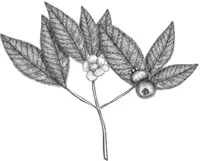
In the early years, select 3–5 evenly spaced main branches and remove competing crotches or rubbing shoots to build a balanced canopy that can support heavy fruit loads without breaking.

Mulch the dripline

Apply a 5–8 cm ring of coarse organic mulch from 5 cm away from the trunk out to the dripline to moderate soil temperature, reduce weeds, and protect shallow feeder roots.

Protect from trunk damage

Use a light-colored tree guard or hardware cloth cylinder around the young trunk in open sites to prevent sunscald and mechanical damage from string trimmers or rodents.

Monitor fruit set

Thin crowded young fruits so they are spaced 5–8 cm apart on each twig to reduce limb stress, improve individual fruit size, and stabilize cropping when growing Campomanesia guazumifolia.

Common Pests and Diseases

Guava fruit fly

This pest lays eggs in developing fruits, leading to internal larval feeding, brown tunnels, and premature fruit drop. Symptoms include soft spots on the fruit, tiny puncture marks on the skin, and rapid rotting after harvest.

Solution

Collect and destroy all infested and fallen fruits promptly to break the life cycle, and use baited traps around trees during flowering and fruit set. Fine mesh bagging of individual fruits and maintaining orchard hygiene are key parts of practical Campomanesia guazumifolia care instructions in areas where fruit flies are common.

Fruit-boring moth larvae

This pest attacks young and ripening fruits, with caterpillars boring into the pulp and leaving frass (sawdust-like droppings) at the entry hole. Symptoms include distorted fruits, premature drop, and internal decay despite an initially normal exterior.

Solution

Remove and destroy infested fruits as soon as damage is noticed, and keep the ground under the canopy clear of dropped fruit. Use light traps or pheromone traps where available and consider fruit bagging on backyard trees to physically prevent egg-laying on developing fruit.

Myrtaceae rust

This disease is caused by rust fungi that affect members of the myrtle family, producing yellow to orange powdery pustules on leaves, young stems, and sometimes fruits. Symptoms include leaf distortion, premature leaf drop, and reduced plant vigor in humid, warm conditions.

Solution

Prune and discard infected leaves and shoots, clean fallen debris from around the plant, and improve airflow by thinning dense growth and avoiding overcrowding. Keep foliage dry by watering at soil level, and in areas with repeated outbreaks, apply a registered copper-based fungicide during wet, warm periods according to label directions.

Anthracnose

This disease affects leaves, shoots, flowers, and young fruits, creating dark sunken lesions with possible concentric rings and causing flower and fruit drop. Symptoms include irregular brown spots on leaves, twig dieback, and blemished fruit surfaces.

Solution

Prune out affected twigs and remove diseased leaves and fruits from the tree and ground, then dispose of them away from healthy plants. Reduce leaf wetness by watering early in the day, improve air circulation, and apply a suitable fungicide labeled for anthracnose on fruit trees during extended wet periods if cultural measures are not sufficient.

Scale insects

These insects attach firmly to stems and leaf undersides, sucking sap and weakening plants over time. Symptoms include sticky honeydew, sooty mold growth, yellowing leaves, and overall decline, especially on container or young plants.

Solution

Physically remove small infestations by gently scraping or wiping scales with a cloth or soft brush dipped in soapy water or 70% isopropyl alcohol. For larger infestations, encourage natural predators, improve plant vigor with proper watering and nutrition, and, if necessary, apply horticultural oil thoroughly to branches and leaf undersides to suffocate the insects, repeating according to label directions.

Interesting Facts

Southern Brazilian native

This species is naturally distributed in southern Brazil, especially in the Atlantic Forest and nearby grassland-forest transition zones, where it grows as a small tree on well-drained, often sandy or rocky soils.

Bird-dispersed berries

Its yellow, aromatic fruits are eaten by local birds, which disperse the seeds through their droppings and help maintain populations in fragmented Atlantic Forest landscapes.

Cold-tolerant Myrtaceae

Unlike many tropical Myrtaceae relatives, this species shows relatively good tolerance to cooler conditions and occasional light frost in subtropical regions, which has encouraged interest in small-scale cultivation outside strictly tropical climates.

Botan icon

Did you know?

The species was formally described by the German botanist Otto Karl Berg in the 19th century, based on plants from southern Brazil, and remains one of several regionally important wild fruit trees that support traditional foraging and small local markets in parts of its native range.

FAQs about Campomanesia guazumifolia

Yes, the fruit is edible and valued in its native range. It is typically eaten fresh, in juices, jams, and desserts. The skin can be slightly acidic, while the pulp is aromatic and pleasantly tart-sweet.

Grow Healthy Plants with Botan Care

Keep your plants happy and healthy with plant identification, disease detection, and easy care guidance.

Botan plant care app — identify plants on mobile

Explore More Plants