


Secure epiphytic mounting
If grown mounted rather than potted, fasten the base firmly to cork or bark using soft ties or nylon fishing line and pack a small amount of sphagnum moss around the roots to stabilize the plant while it anchors itself.

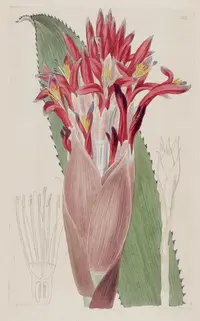
The nakedstem livingvase, Aechmea nudicaulis, is an epiphytic bromeliad often grown as a compact ornamental for its tubular rosette and colorful flower spike. Its stiff, arching leaves form a natural water-holding cup at the center.
This species is native to tropical forests of Central and South America, where it grows on trees but does not feed on them. It adapts well to containers and indoor displays, which makes it relatively straightforward for beginners who want to learn how to care for nakedstem livingvase.
It generally prefers bright, indirect light, moderate warmth, and a free-draining, airy mix that allows the roots and central cup area to stay moist but not stagnant.

Care Difficulty
Easy Care

Light Preference
Partial Sun

Water Requirements
Moderate Water

Temperature Preference
Tropical / Frost Sensitive

Hardiness Zone
10–12

Soil Texture
Sandy, Loamy, Organic-rich

Soil pH
Acidic (5.5–6.5), Slightly acidic (6.5–7.0)

Soil Drainage
Well-drained

Fertilization
Light (every 4–6 weeks)
Scan your plant to receive care tips personalized for your specific plant
Available on iOS and Android
This bromeliad prefers bright, indirect light with some direct sun for best color and flowering.
This bromeliad uses both its central cup and roots to manage water, so watering should be moderate and well controlled.
This species prefers warm, stable conditions and is sensitive to frost.
This bromeliad handles typical indoor humidity but reacts to very dry air over time.
This species prefers a loose, airy, fast-draining mix similar to epiphytic bromeliads and orchids.
This species is well suited to container culture, both indoors and outdoors in mild climates.
This bromeliad has modest feeding needs, but thoughtful fertilization supports healthy foliage and flowering in a nakedstem livingvase.
Aechmea nudicaulis needs only light pruning to stay tidy and healthy.
Repotting is infrequent, but good container management keeps this bromeliad stable and healthy.
This species is most commonly propagated from offsets produced around the base of the mother rosette.
This bromeliad is frost-sensitive and needs protection in regions with cold winters.

Plant Health Check
Not sure what's wrong with your plant? Check your plant's health inside the app.
This species often grows as an epiphyte on trees, forming a tight rosette that holds rainwater in a central tank, which becomes a microhabitat for insects and other small organisms in its native Atlantic Forest range.
Unlike many shade-preferring bromeliads, this species tolerates and often thrives in high light or near full sun in open restinga and rocky outcrop habitats, which contributes to its relatively tough foliage.
Wild populations show notable variation in size, leaf coloration, and banding, and several naturally occurring forms and local variants have been recognized and used in breeding and ornamental selection.

In its native Brazilian habitats, this species is among the bromeliads documented as providing important water and refuge for amphibian larvae and invertebrates, effectively functioning as a small, self-contained aquatic ecosystem high above the ground.
This bromeliad usually flowers once when mature, then slowly declines while producing offsets (pups). Lack of bloom is often due to immaturity, insufficient light, or low overall vigor rather than a problem with daylength or temperature.
Keep your plants happy and healthy with plant identification, disease detection, and easy care guidance.

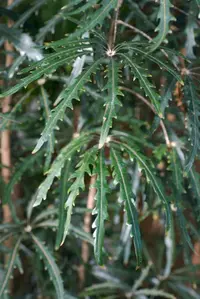
False Aralia
Plerandra elegantissima
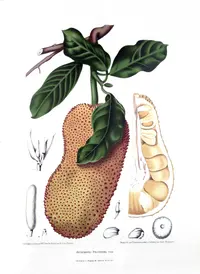
chempedak
Artocarpus integer
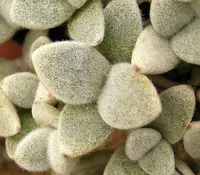
Kalanchoe eriophylla
Kalanchoe eriophylla
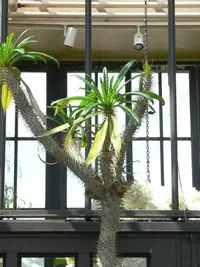
ghost-men
Pachypodium geayi
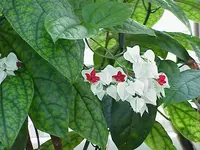
Bleeding glory-bower
Clerodendrum thomsoniae
 POPULAR
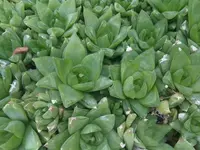
Cathedral Window Haworthia
Haworthia cymbiformis
 POPULAR
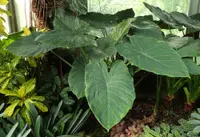
Hardy Elephant's Ear
Alocasia wentii
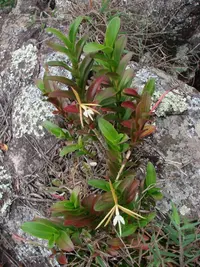
night scented orchid
Epidendrum nocturnum