
Elephant Ears (Caladium praetermissum 'Hilo Beauty') Watering Guide

This page explains when, how often, and how much to water Caladium praetermissum 'Hilo Beauty' for steady growth.

Water Requirements

Keep Soil Moist

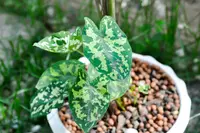
Caladium praetermissum 'Hilo Beauty' Watering

This patterned aroid comes from humid, seasonally wet tropical habitats, which helps explain its preference for steady moisture. Caladium praetermissum 'Hilo Beauty' usually grows indoors, so watering Elephant Ears here centers on moderating dryness rather than drenching.

Aim for soil that feels lightly moist most of the time, with brief surface drying between sessions. Indoors and containers dry faster than shaded garden beds, so expectations change even though the plant’s overall moisture preference stays similar.

For Caladium praetermissum 'Hilo Beauty', wait until the top 1–2 inches (3–5 cm) of soil feel dry before watering again. This Elephant Ears type usually dries out faster in bright, warm conditions and more slowly in lower light or cool rooms, so intervals lengthen or shorten with the season.

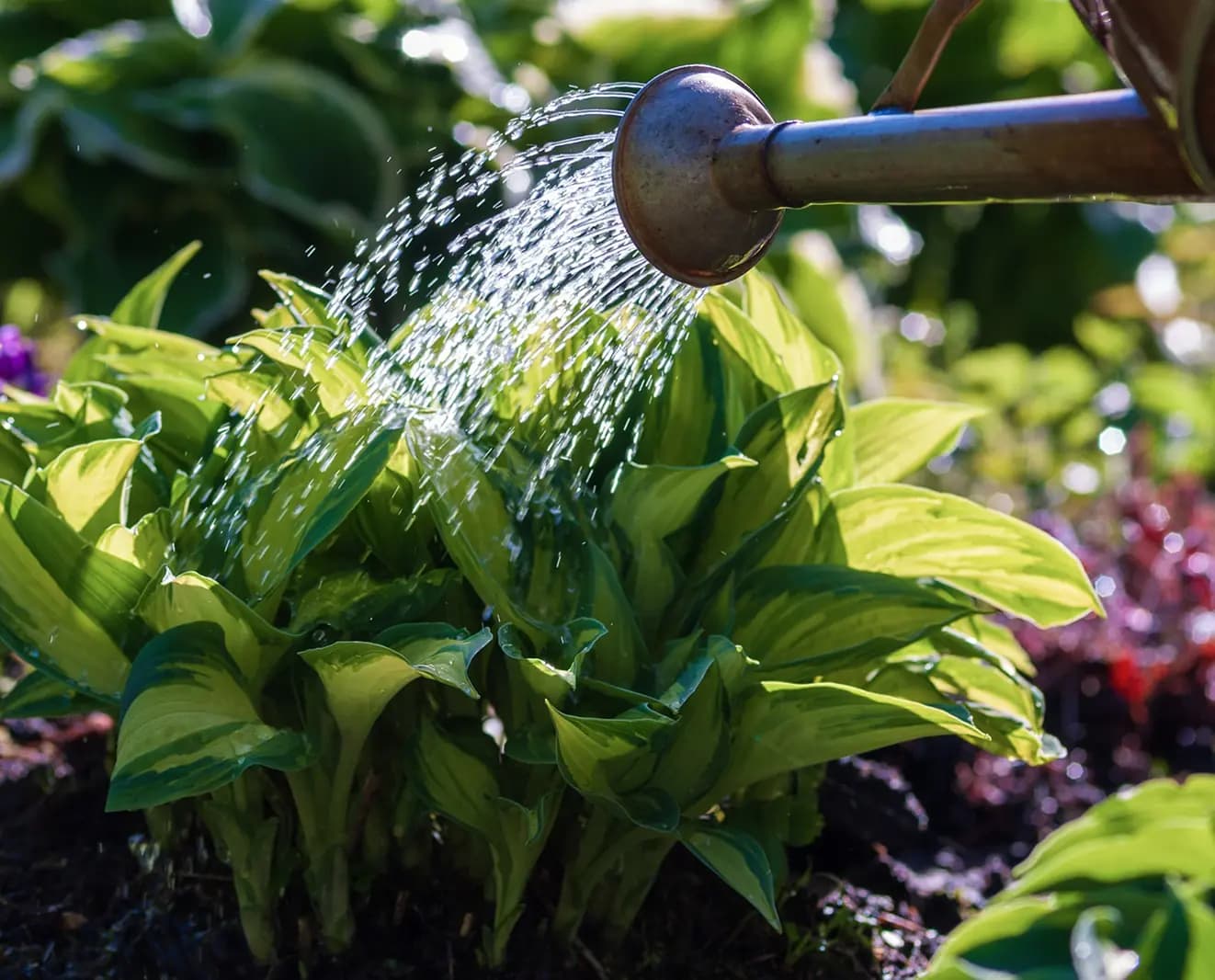
Water when the top 1–2 inches (3–5 cm) of soil feel slightly dry, keeping moisture consistent around Elephant Ears’ roots.

  • Pour room-temperature water slowly over the soil surface, circling the pot so moisture spreads evenly across the root zone.
  • Continue adding water until it begins to drain from the bottom holes, ensuring the entire root mass is fully moistened.
  • Empty saucers or cachepots within 10–15 minutes so the container does not sit in standing water.
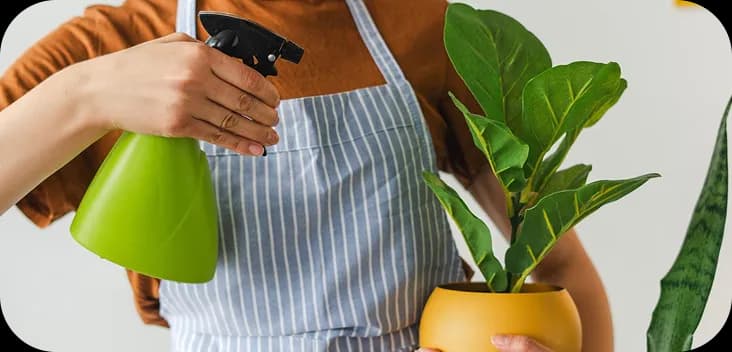
  • Keep water directed at the soil, avoiding the plant’s crown and leaves to reduce prolonged wetness on aboveground parts.

Incorrect moisture can trigger several health problems for Caladium praetermissum 'Hilo Beauty' indoors or outdoors.

Drooping Leaves:

Limp, folding foliage typically signals dry soil or recent underwatering, especially in warmer conditions.

Yellowing Lower Leaves:

Older leaves turning uniformly yellow often indicate prolonged wet soil and declining root function.

Brown Leaf Edges:

Crisp, tan margins usually result from inconsistent watering cycles and low ambient humidity levels.

Soft, Mushy Stems:

Collapsing petioles suggest chronic saturation, poor drainage, and early progression toward root rot.

Sour-Smelling Potting Mix:

Unpleasant, swampy odor from soil points to stagnant moisture and insufficient aeration around roots.

Keep soil lightly moist with good drainage, avoiding extremes of bone-dry or waterlogged conditions.

Unsuitable watering habits can stress Caladium praetermissum 'Hilo Beauty', weakening foliage and leaving elephant ears more vulnerable to light, heat, and pests.

  • Watering by calendar: Following a fixed schedule ignores changing temperature and light; instead, check the top inch of soil and water only when it feels dry.
  • Heavy, compacted soil: Using dense potting mixes traps moisture around tubers; choose a chunky, peat‑free aroid mix that drains fast yet retains light moisture.
  • Letting saucers fill: Leaving the pot sitting in collected runoff suffocates roots; empty saucers within 10–15 minutes so excess moisture can escape.

Prioritize responsive watering in a fast‑draining mix, letting the top layer dry slightly while keeping the root zone lightly, consistently moist.

  • Spring: New foliage pushes growth, so keep soil lightly moist, letting the top layer dry slightly more between waterings on cooler, dim days.
  • Summer: 'Hilo Beauty' is most thirsty in warm, bright conditions; monitor often and water when the top inch feels dry, avoiding waterlogged soil.
  • Fall: Growth slows as light and temperatures drop, so extend the time between waterings and allow the top layer to dry a bit deeper.
  • Winter: In very low light or cool rooms, water sparingly, letting the top half of the pot dry to prevent rot during semi-dormant rest.

Your Elephant Ears Care Companion

Use Botan for a simple watering guide and care routine for Caladium praetermissum 'Hilo Beauty', plus photo-based issue checks to help spot problems early.

Botan plant care app — identify plants on mobile

FAQ

Water lightly right after using a balanced, diluted fertilizer to move nutrients into the root zone and prevent root burn. Avoid soaking the pot; resume normal schedule once the top layer of soil begins to dry.

More Plant Watering Guides

Is Your Watering Routine Hurting Your Elephant Ears?

Botan reviews your watering pattern so adjustments are easier to make.

Watering a plant with a copper watering can
How to Winterize Your Garden in 6 Steps

5 min read · 28 Sept 2026

How to Winterize Your Garden in 6 Steps

Learn how to prepare your garden for winter with a practical six-step checklist covering cleanup, tender plant care, watering, mulching, winter protection, and winterizing equipment and containers.

Plant Care

How to Winterize Your Garden in 6 Steps
Can Plants Grow With Artificial Light?

6 min read · 15 Sept 2026

Can Plants Grow With Artificial Light?

Plants can grow under artificial light when the setup provides a suitable spectrum, enough intensity, and sufficient daily exposure. This guide explains how artificial lighting compares with sunlight, which options work indoors, and how to match a setup to houseplants.

Plant Care
Can Plants Grow With Artificial Light?
Plants That Repel Bugs – 20 Effective Options

12 min read · 16 Jul 2026

Plants That Repel Bugs – 20 Effective Options

Mosquitoes on the patio? Gnats in the kitchen? Some plants keep them away with the scent of their own leaves. Here are 20 that deal with mosquitoes, flies, aphids, and more, plus where to put them so they help.

Plant Recommendations
Plants That Repel Bugs – 20 Effective Options