







Best Soil for Cycad (Ceratozamia mexicana)

A loose, moisture-balanced mix helps Ceratozamia mexicana maintain healthy roots while avoiding the stagnant conditions that weaken growth.

Soil Texture

Loamy, Sandy, Organic-rich

Soil pH

Acidic (5.5–6.5), Slightly acidic (6.5–7.0)

Soil Drainage

Moist but well-drained

Ceratozamia mexicana Soil Guide

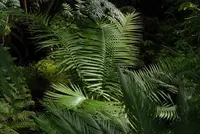
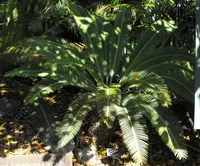
Native to eastern Mexico, Ceratozamia mexicana grows in humid forests where soil stays lightly moist but still drains freely. That background explains why this species prefers a loose, loamy to sandy substrate with plenty of organic matter rather than dense, compact soil.

Its root system benefits from steady moisture and good air around the roots, so the best soil for Cycad holds some water without becoming soggy. Slightly acidic to mildly acidic conditions also suit its natural soil chemistry and support steady root function.

A simple custom mix can give Ceratozamia mexicana the balance of moisture retention and airflow it needs in a container.

100% total mix = 20 scoops
10%
coarse sand2 scoops
10%
compost or leaf mold2 scoops
20%
perlite or pumice4 scoops
25%
pine bark fines or orchid bark5 scoops
35%
high-quality potting soil7 scoops

The finished blend should feel open, slightly springy, and crumbly, with water moving through evenly instead of pooling for long.

A good target for this species is about 5.5–7.0 pH, with slightly acidic soil generally preferred. That range helps keep key nutrients available without pushing the root zone too far toward acidity or neutrality.

For Cycad, staying within that mildly acidic range supports more balanced uptake of minerals such as iron and manganese. A mix that drifts far outside it may make nutrients harder for the roots to use, even when they are present in the soil.

This species can be slow to recover from root stress, so small soil issues are worth correcting early. Check patterns over time rather than reacting to one off day.

Sour, stagnant mix:

If the potting medium smells musty or stays heavy for too long, improve airflow around the roots by replacing it with a fresher, more open blend.

Compaction:

When the surface hardens and water sits or runs down the sides, gently loosen the top layer and plan to refresh the mix before it becomes dense throughout.

Rapid drying:

If the root zone seems to dry unusually fast and the plant loses stability, add more moisture-holding material at the next soil change and check container size.

Salt buildup:

A pale crust on the surface can point to mineral accumulation, so remove the crust and flush the pot thoroughly if the soil still drains freely.

Soil Help, Fast

Botan can help match this plant to a more suitable soil setup based on its needs and the way it is currently growing.

FAQ

Yes. A pot with enough depth supports a steadier root zone and helps the mix hold moisture more evenly without becoming shallow and erratic. Depth should still be matched to overall root mass, not oversized.

More Plant Soil Guides

Check Your Soil Choice

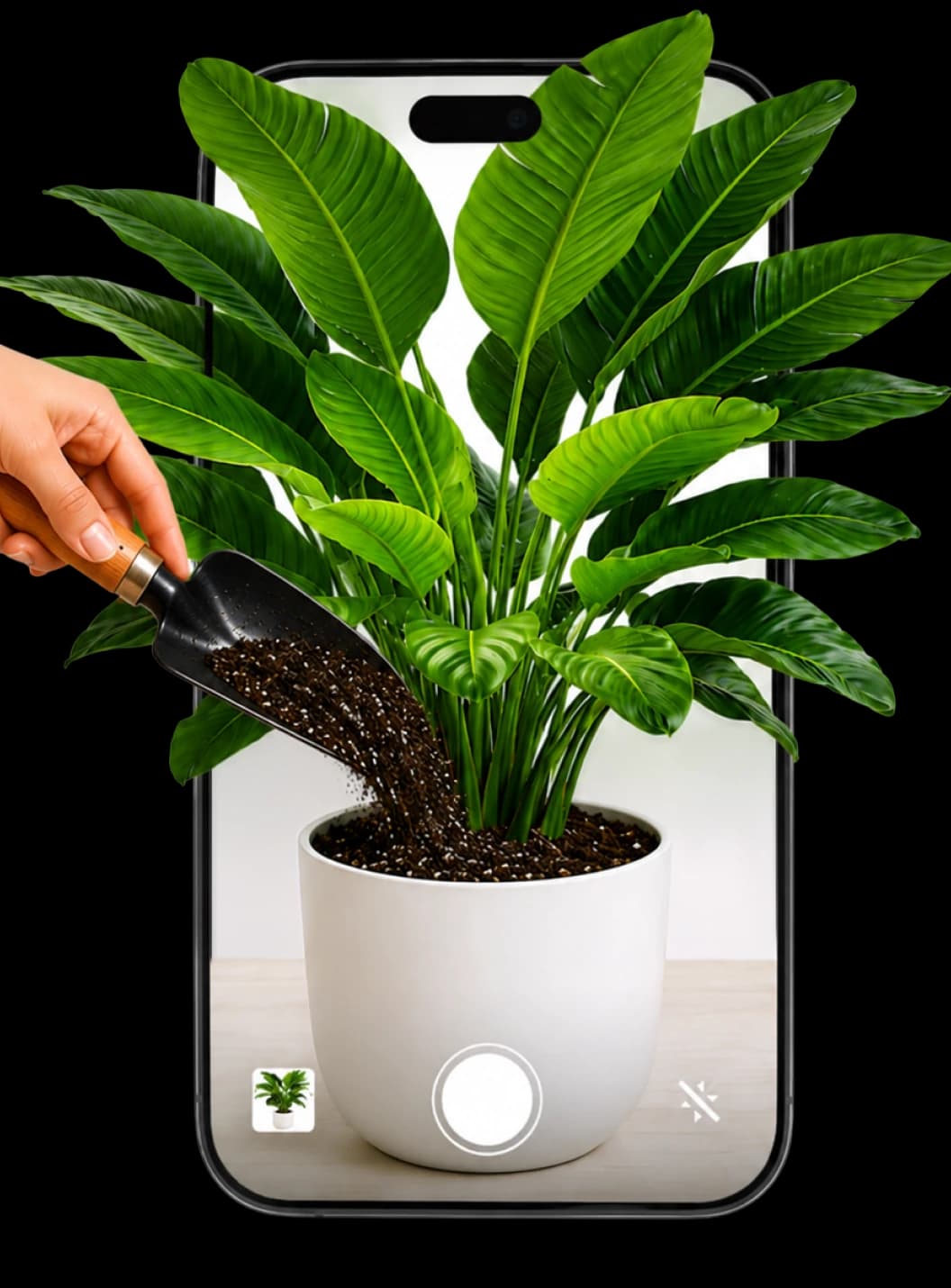
If growth looks off, soil may be one factor to check. Botan’s photo-based assessment can help you decide whether the root zone deserves a closer look.

Botan app helping with soil and plant care
12 Best Cold-Hardy Vegetables for Cold Weather

7 min read · 13 Oct 2026

12 Best Cold-Hardy Vegetables for Cold Weather

Cold-hardy vegetables can keep a garden productive through chilly fall, winter, and early spring weather. This guide covers 12 reliable crops, their frost tolerance, and practical growing tips for better cold-season harvests.

Plant Recommendations
12 Best Cold-Hardy Vegetables for Cold Weather
Thorny Plants: A Comprehensive Guide

10 min read · 25 Aug 2026

Thorny Plants: A Comprehensive Guide

Many plants defend themselves with sharp thorns. This guide explores over 20 examples among flowers, shrubs, trees, and vines. You'll learn what each plant looks like, why it grows thorns, and how to quickly identify them.

Plant Recommendations
Thorny Plants: A Comprehensive Guide
When to Harvest Tomatillos: How to Tell When They're Ripe

4 min read · 20 Oct 2026

When to Harvest Tomatillos: How to Tell When They're Ripe

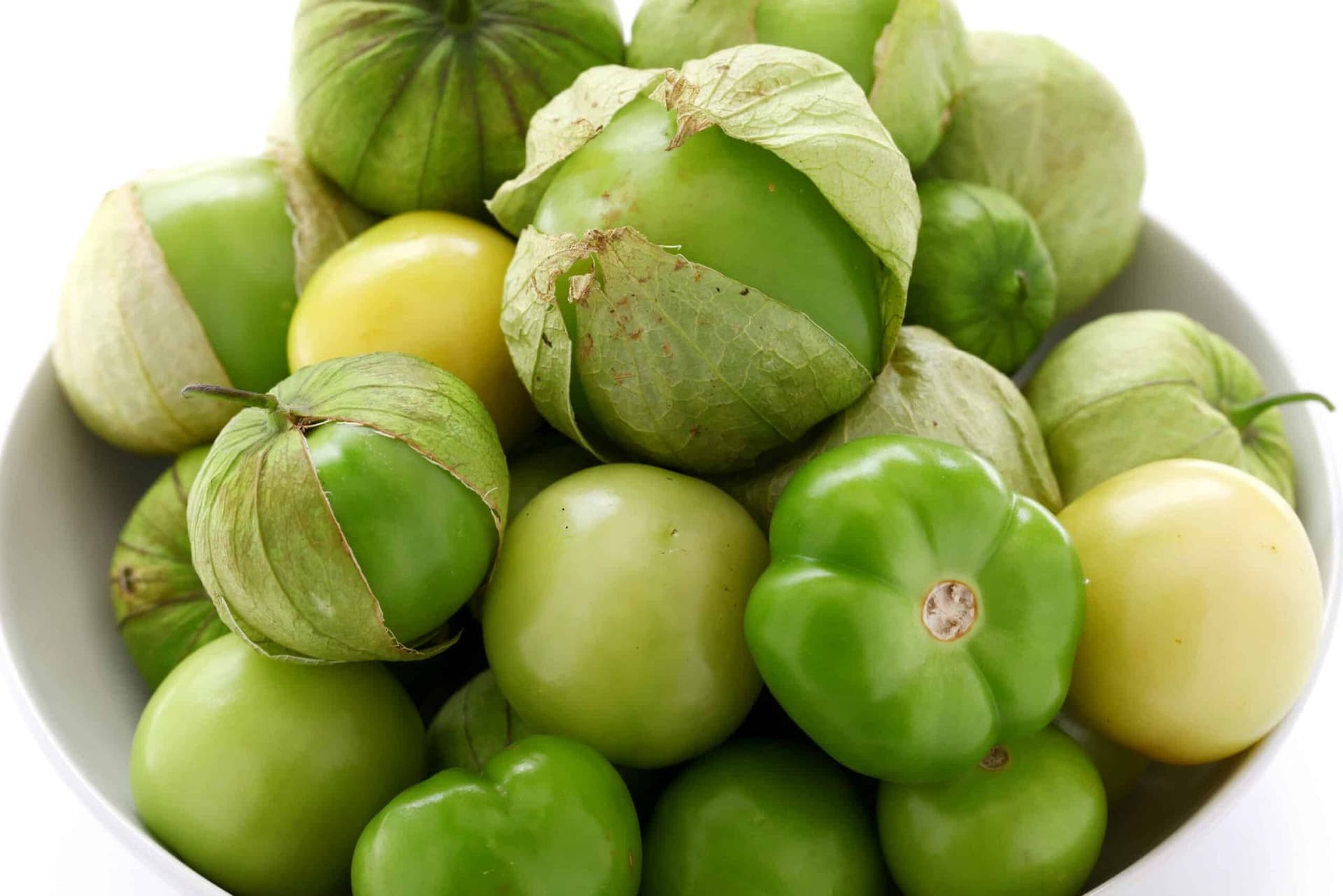
Tomatillos grow inside papery husks, making it hard to judge ripeness at a glance. This guide explains how to know when tomatillos are ripe and offers practical advice on harvesting and storage.

Plant Recommendations
When to Harvest Tomatillos: How to Tell When They're Ripe