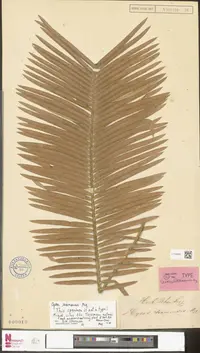



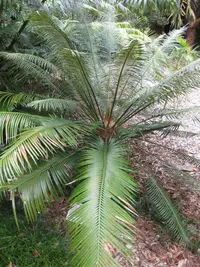
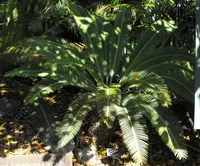
Best Soil for Cycad (Cycas siamensis)

Cycas siamensis grows best in a gritty, well-drained mix that supports healthy roots and avoids stale, compacted soil conditions.

Soil Texture

Sandy, Loamy, Rocky

Soil pH

Slightly acidic (6.5–7.0), Neutral (7.0)

Soil Drainage

Well-drained

Cycas siamensis Soil Guide

Native to parts of mainland Southeast Asia, Cycas siamensis grows in open, seasonally dry areas with sandy, loamy, or rocky ground. That background points to Cycad soil that drains quickly and stays airy, rather than dense or water-retentive.

Its root system and underground stem are adapted to stable moisture with good oxygen around the roots. The best soil for Cycad has a mineral-leaning texture and enough structure to hold some moisture, but it should dry gradually and not stay wet for long.

A simple custom mix gives Cycas siamensis the balance of structure and airflow it needs without staying dense for long.

100% total mix = 20 scoops
15%
small gravel or fine lava rock3 scoops
20%
coarse sand4 scoops
30%
pumice or perlite6 scoops
35%
coarse potting soil7 scoops

The finished blend should feel gritty and loose, hold together lightly when pressed, and let extra water pass through without lingering.

A good target for Cycad is about 6.5–7.0 pH, which places it in slightly acidic to neutral soil. In that range, key nutrients stay available without becoming overly limited by acidity or alkalinity.

Cycas siamensis is not known for needing an unusually narrow pH window, but keeping the mix close to neutral supports more balanced nutrient uptake over time.

This species is more likely to struggle in stale, airless media than in a leaner mix. Check the root zone when growth slows for no clear reason.

Compacted soil:

Dense media can limit airflow to the roots and slow growth, so loosen the surface gently and plan to replace the mix if it stays tight after drying.

Staying wet too long:

If the root zone remains damp for many days, reduce moisture-holding material and confirm that excess water can leave the container freely.

Crusted surface:

A hard top layer can block even wetting and gas exchange, so break it up lightly and refresh the upper portion with a looser material.

Salt buildup:

White residue on the soil surface or pot rim can point to mineral accumulation, so remove the crust and flush the mix thoroughly once in a while.

Soil Help, Fast

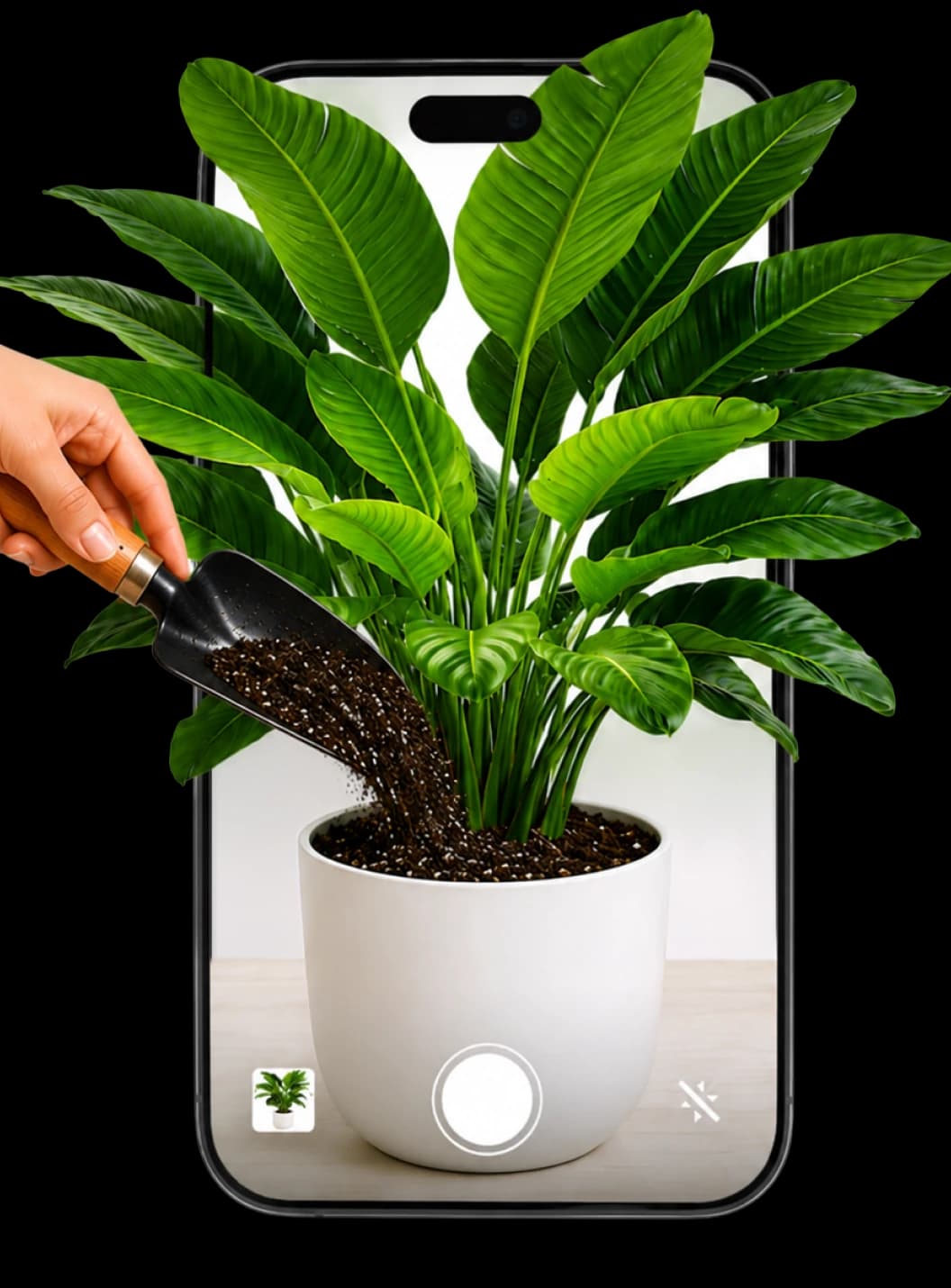
Botan helps match this plant to a more suitable soil setup, so it is easier to choose a mix that fits its root habits.

FAQ

Yes. Drainage holes are important because they let excess water leave the container instead of collecting around the roots. That matters more than almost any single detail in a Cycad soil mix.

More Plant Soil Guides

Could It Be the Soil?

A soil issue may be part of the problem. Botan’s photo-based assessment can help you check whether the root zone is worth a closer look.

Botan app helping with soil and plant care
12 Best Landscaping Trees for Your Garden

8 min read · 6 Oct 2026

12 Best Landscaping Trees for Your Garden

Choosing the landscape tree depends on what your garden needs most. These 12 options include compact flowering specimens, colorful deciduous trees, shade varieties, and evergreens suitable for screening and year-round structure.

Plant Recommendations
12 Best Landscaping Trees for Your Garden
How to Water Houseplants: Watering Guide

7 min read · 24 Aug 2026

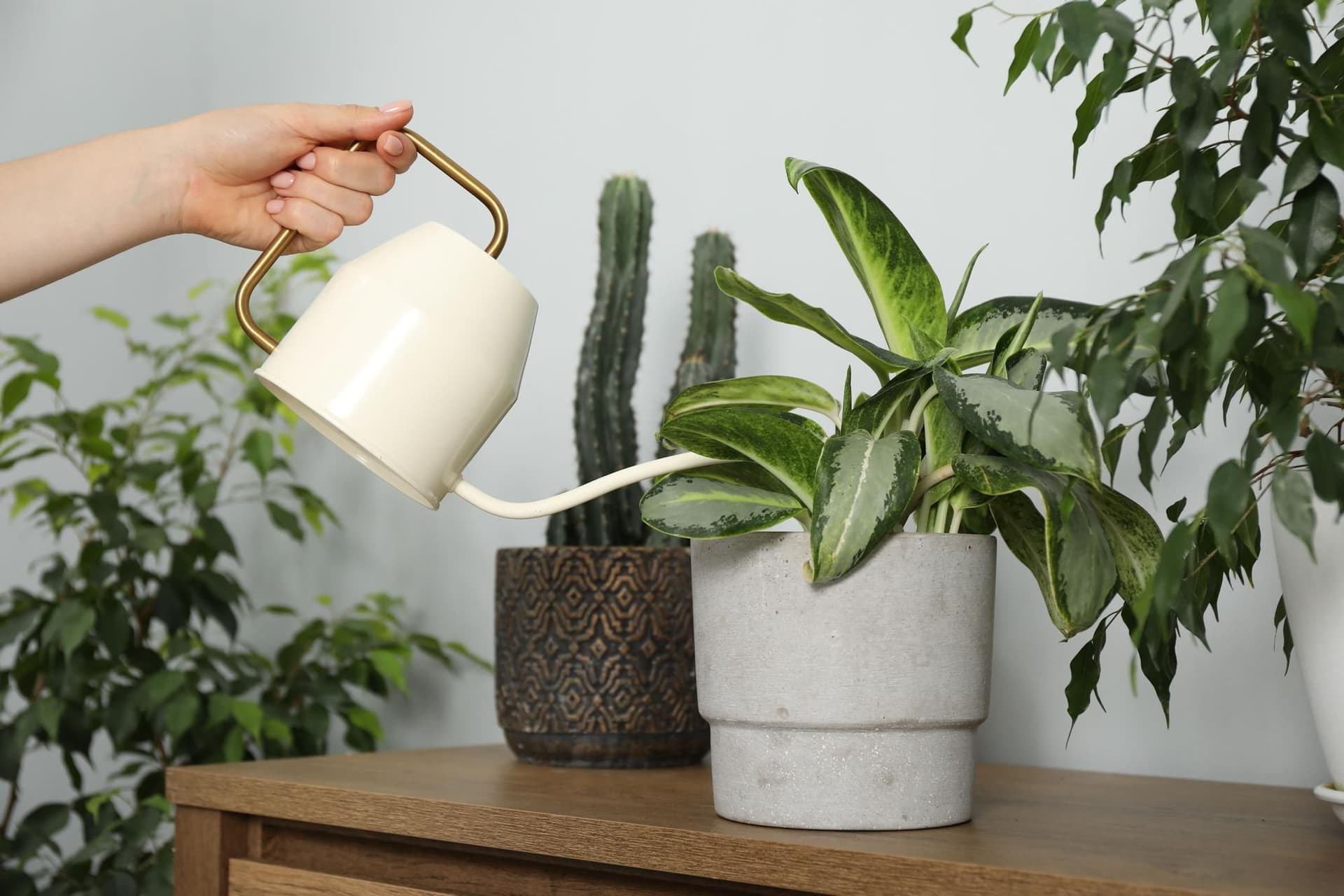
How to Water Houseplants: Watering Guide

Learn how often to water indoor plants, key factors for proper watering, and how to adjust the care routine by plant type, season, pot size, light, and indoor conditions.

Plant Care
How to Water Houseplants: Watering Guide
What Plants Don't Like Epsom Salt?

11 min read · 29 Jul 2026

What Plants Don't Like Epsom Salt?

Learn which plants can be seriously damaged by Epsom salt and which will thrive on it. We’ll explain when and how to use it properly, provide tips for indoor & outdoor plants — read on and enjoy a healthy garden.

Plant Care
What Plants Don't Like Epsom Salt?