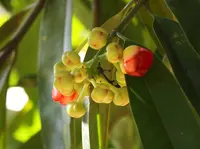
Almond Care (Prunus amygdalus)

Also known as: Prunus dulcis
Almond

About Almond

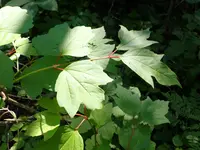
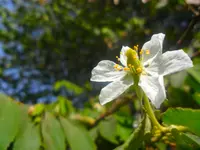
Almond (Prunus amygdalus) is a small, deciduous fruit tree grown mainly for its edible seeds and ornamental spring flowers. It belongs to the same group as peaches and plums. The tree has narrow, finely toothed leaves and showy white to pale pink blossoms that appear before the foliage. It typically forms a vase-shaped crown with a relatively open structure. In nature, it originates from arid, rocky regions of Western and Central Asia, adapted to hot, dry summers and cool winters. Its need for winter chilling, good sun exposure, and well-drained soil makes it moderately demanding, so planning how to care for Almond is important for reliable flowering and nut production.

Main Plant Requirements

Care Difficulty

Moderate Care

Light Preference

Full Sun

Water Requirements

Moderate Water

Temperature Preference

Warm Climate

Hardiness Zone

7–9

Soil Texture

Sandy, Loamy, Rocky

Soil pH

Slightly acidic (6.5–7.0), Slightly alkaline (7.0–7.5)

Soil Drainage

Well-drained

Fertilization

Minimal (feed rarely)

Get Personalized Care Plan

Scan your plant to receive care tips personalized for your specific plant

Available on iOS and Android

How to Care for the Almond

This sun-loving fruit tree needs strong light to flower and set nuts reliably.

  • Provide full sun for 6–8 hours daily; almond trees perform best with unobstructed exposure, especially in spring and early summer.
  • Tolerates light partial shade, but reduced light lowers bloom and yield; aim for morning sun with only brief, light afternoon shade in very hot regions.
  • Young trees can scorch in intense afternoon sun; use temporary shade cloth in heatwaves and avoid planting where walls or pavement reflect strong heat.

This species prefers deep, infrequent watering that allows the root zone to dry slightly between soakings.

  • Irrigate when the top 5–8 cm of soil are dry, soaking the soil to 30–45 cm depth, then let it drain completely.
  • Use well-drained, sandy or loamy soil; standing water, sour smell, or yellowing leaves indicate overwatering and risk of root rot in Prunus amygdalus.
  • During the first 2–3 years, monitor closely in hot, dry periods; wilting or curled leaves by midday that recover at night suggest the tree needs a thorough watering.

This deciduous tree is adapted to warm, dry summers and cool winters with a defined chilling period.

  • Optimal growing temperatures during the active season are 65–85°F (18–29°C), with best nut development in warm, dry conditions.
  • Dormant trees tolerate down to about 15–20°F (-9 to -6°C), but young shoots and blossoms are damaged by late frosts below 28°F (-2°C).
  • Mature trees handle short heat spikes up to 100°F (38°C) if soil moisture is adequate; mulch the root zone to buffer temperature swings and reduce stress.

Humidity is rarely a limiting factor for Prunus amygdalus, which thrives in relatively dry air.

Prunus amygdalus needs well-structured, fast-draining soil to prevent root problems and support long-term growth.

  • Use a loamy to sandy soil with moderate organic matter so water drains quickly but roots still anchor firmly.
  • Aim for slightly acidic to neutral pH, around 6.0–7.5, and avoid strongly acidic or saline substrates.
  • Blend native soil or loam with coarse sand and fine gravel to increase macropores that improve aeration and prevent compaction.
  • Avoid heavy clay, waterlogged spots, or low basins where runoff collects and keeps the root zone saturated.

This species can be grown in containers for several years, provided the pot setup supports its deep, woody root system.

  • Choose a tall, heavy container that resists tipping as the canopy becomes woody and top-heavy in wind.
  • Use a very fast-draining mix, such as loam with coarse sand and bark, so irrigation water clears the root zone quickly.
  • Position the container slightly elevated on feet or bricks so drainage holes stay unobstructed and excess water exits freely.

Balanced nutrition supports steady growth and cropping in Almond trees, especially in poorer soils.

  • Apply a balanced granular NPK fertilizer or well-rotted compost once in early spring as new growth begins.
  • In moderate to rich soils, 1 feeding per year is usually enough; very poor soils may benefit from a light midsummer top-up.
  • Use about half the label rate for young or container plants to avoid root burn, and water in thoroughly after application.
  • Stop feeding in late summer to early fall so growth hardens before winter, and do not fertilize during winter dormancy.

Thoughtful pruning keeps Prunus amygdalus productive, structurally sound, and easier to manage.

  • Carry out main pruning in late winter to early spring before budbreak, avoiding heavy cuts in late summer or fall.
  • Remove dead, diseased, and crossing branches first, then thin crowded interior shoots to improve light and air flow.
  • Shorten overly vigorous shoots to maintain shape and height, encouraging a strong open framework and better fruiting wood.
  • Use clean, sharp bypass pruners or a pruning saw, making angled cuts just above outward-facing buds or branch collars.

Prunus amygdalus is usually grown in the ground, so care focuses on correct transplanting and limited early container culture.

  • Transplant bare-root or container trees in late winter to early spring, while still dormant and soil is workable but not waterlogged.
  • For container plants, consider shifting to a larger pot when roots circle the container or growth becomes noticeably slower.
  • Choose a hole or container 2–3 times wider than the root mass, set the root flare at soil level, and backfill with native soil.
  • Water deeply after planting, mulch the root zone, and keep soil evenly moist for the first season to reduce transplant shock.

Propagation of Prunus amygdalus for home use is possible but more demanding than many ornamental shrubs.

  • Use fresh, stratified seed in late winter for rootstock, sowing in deep trays with well-drained, slightly moist medium at 40–45°F for several weeks.
  • Take semi-hardwood cuttings in midsummer, apply rooting hormone, and place in a sterile, sharply drained mix under high humidity and bright shade.
  • Grafting named cultivars onto compatible seedling or clonal rootstocks in late winter ensures known fruit quality and vigor.
  • Keep all propagation material free of disease, using disinfected tools and discarding any scion or rootstock with cankers or suspicious lesions.

Mature Prunus amygdalus trees are moderately cold hardy but benefit from basic winter care in colder regions.

  • Provide a 5–8 cm layer of mulch around the root zone, keeping it a few cm away from the trunk to moderate soil temperature.
  • Young trunks in zones near the tree’s hardiness limit may need burlap wraps or tree guards to reduce bark splitting and rodent damage.
  • Container-grown trees in cold climates should be moved into an unheated garage or sheltered spot, keeping roots above about 25°F and soil barely moist.

Care Tips

Frost protection strategy

In late winter and early spring, cover the canopy with frost cloth on nights forecast below 28°F to protect swelling buds and blossoms, removing it promptly in the morning so the tree can dry and receive full light.


Efficient fruit thinning

After natural fruit drop, reduce clusters so almonds are spaced about 10–15 cm apart along each branch to improve nut size, reduce limb breakage, and lower disease pressure from overcrowded fruit.

Branch training early

During the first 2–3 years, use soft ties or spreaders to open narrow branch angles to about 45–60° from the trunk, creating a stronger structure that supports heavy nut crops without splitting.

Trunk and scaffold support

Stake young trees loosely on the windward side and use padded ties, then remove the stake once the trunk can stand upright alone to avoid girdling and to encourage a sturdy root–shoot system for growing Almond.

Sanitary orchard hygiene

Collect and destroy mummified nuts and fallen debris at the end of the season to reduce overwintering pests and diseases, and keep the area under the canopy weed‑reduced to improve air movement and monitoring access.

Common Pests and Diseases

Peach leaf curl

This disease causes young almond leaves to thicken, blister, and curl, often turning red or yellow before dropping early. Symptoms include reduced shoot growth and weakened trees with lower nut yield.

Solution

Remove and destroy affected leaves and shoots as soon as symptoms appear, and keep fallen leaves and debris cleared from under the tree. In late fall or very early spring, before bud break, apply a labeled copper or lime-sulfur fungicide thoroughly to all branches to protect new growth, and avoid overhead irrigation that keeps buds and twigs wet for long periods.

Shot hole disease

This disease produces small purple or brown leaf spots that dry out and fall away, leaving clean round holes, and can also blemish fruit and young twigs. Symptoms include premature leaf drop and a general thinning of the canopy in mid-season.

Solution

Prune out and dispose of infected twigs and mummified nuts, and rake up fallen leaves to reduce fungal spores. Improve airflow by thinning crowded branches, avoid wetting foliage with sprinklers, and if the problem recurs each year, apply an appropriate fungicide at bud swell and petal fall according to local Prunus amygdalus care instructions.

Brown rot blossom blight

This disease attacks blossoms and young shoots, causing flowers to brown, shrivel, and remain stuck on the tree, often with tan fungal tufts. Symptoms include dieback of tender twigs and later fruit rot if infections spread.

Solution

Prune and discard blighted blossoms and twig tips several inches below visible symptoms, disinfecting pruning tools between cuts. During bloom in wet springs, protect flowers with a registered brown-rot fungicide spray, and reduce humidity around the canopy by pruning for light and airflow and removing mummified fruit after harvest.

Navel orangeworm

This pest is a caterpillar that bores into nuts, feeding on kernels and leaving frass and webbing inside the shell. This pest increases nut loss and also carries fungal spores that can cause aflatoxin contamination.

Solution

Harvest promptly at maturity and remove or destroy all leftover nuts on the tree and ground (mummies) during winter to break the life cycle. Use pheromone traps to monitor adult moths, and if pressure is high, coordinate timing of biological or mating-disruption products and, where permitted, targeted insecticide sprays with local extension guidelines.

Aphids

These insects cluster on new almond shoots and leaf undersides, sucking sap and causing leaf curling, sticky honeydew, and sometimes sooty mold growth. This pest can slow growth and stress young trees when populations are high.

Solution

Spray infested shoots with a strong stream of water to knock aphids off, and encourage natural predators such as lady beetles by limiting broad-spectrum insecticides. For persistent infestations, apply insecticidal soap or horticultural oil thoroughly to leaf undersides in the early morning or evening, repeating as needed while monitoring new growth.

Interesting Facts

Domesticated seed evolution

The cultivated almond originated from bitter, toxic wild ancestors whose seeds contain high levels of amygdalin, a cyanogenic compound; selective breeding favored rare sweet mutants with much lower amygdalin, making the seeds edible.

Early Rosaceae bloomer

Almond trees flower very early in spring on bare wood before leaf-out, which increases pollination visibility to early-flying insects but also makes the species highly vulnerable to late frost damage in temperate climates.

Ancient Mediterranean crop

Archaeobotanical finds show almonds were domesticated thousands of years ago in the Near East and eastern Mediterranean, and they were already traded and cultivated as a valued nut crop in classical Greek and Roman agriculture.

Botan icon

Did you know?

Genetic and archaeological evidence together suggest that modern cultivated almonds likely arose from a small number of initial sweet-seeded mutations in wild Central or Near Eastern populations, meaning that much of today’s global almond production can be traced back to very few original trees selected by early farmers.

FAQs about Almond

This species needs full sun, adequate winter chill, and wood that is at least 2–3 years old to flower well. Heavy pruning, shade, excess nitrogen, or late frost damage often reduces or prevents blossom formation.

Grow Healthy Plants with Botan Care

Keep your plants happy and healthy with plant identification, disease detection, and easy care guidance.

Botan plant care app — identify plants on mobile

Explore More Plants