Ombu Care (Phytolacca dioica)

Also known as: Belhambra, Belhambra Treee, Bella Ombre, Omboe, Umbo, Umbra Tree
Ombu

About Ombu

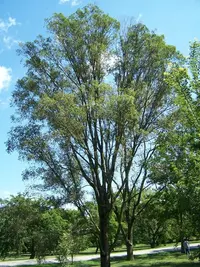
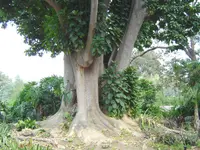
Ombu (Phytolacca dioica) is a fast-growing, evergreen tree-like shrub native to the grasslands of South America, especially the Pampas region. It forms a very broad, umbrella-like canopy with thick, soft wood and a swollen, water-storing trunk.

In the landscape it can become massive, with glossy green leaves and inconspicuous flowers followed by dark berries. The plant is drought tolerant once established but not frost hardy, which limits its outdoor use in cooler climates.

It prefers sunny, open sites with well-drained soil and benefits from regular moisture when young. For anyone wanting to care for Ombu, the main challenges are providing enough space, warmth, and protection from hard freezes.

Main Plant Requirements

Care Difficulty

Moderate Care

Light Preference

Full Sun

Water Requirements

Moderate Water

Temperature Preference

Warm Climate

Hardiness Zone

9–11

Soil Texture

Sandy, Loamy, Clay

Soil pH

Slightly acidic (6.5–7.0), Neutral (7.0)

Soil Drainage

Well-drained

Fertilization

Minimal (feed rarely)

Get Personalized Care Plan

Scan your plant to receive care tips personalized for your specific plant

Available on iOS and Android

How to Care for the Ombu

Phytolacca dioica thrives in bright outdoor sites with abundant but not extreme sun exposure.

  • Provide 6–8 hours of sun daily, ideally with morning sun and light afternoon shade, especially in hot, dry regions.
  • Accepts light to partial shade (3–5 hours), but Ombu may develop a more open crown and slower growth in deeper shade.
  • In very hot summers, protect from intense afternoon sun to reduce leaf scorch; in cooler climates, choose the sunniest, wind-sheltered position.

Phytolacca dioica prefers evenly moist, deep soil but copes with short dry spells once established.

  • Water when the top 5–8 cm of soil in the root zone feels dry, applying a slow, deep soak rather than frequent shallow splashes.
  • During the first 2–3 growing seasons, monitor closely in summer; drooping young leaves signal thirst, while yellowing, soft foliage suggests excess moisture.
  • Plant in free-draining soil; avoid low spots where water stands, as persistent sogginess encourages root rot and weak, unstable growth.

This species grows best in warm, frost-free climates and reacts poorly to severe cold.

  • Optimal growth occurs around 65–85°F (18–29°C), with the strongest extension growth in late spring and summer.
  • Tolerates brief drops to about 28–30°F (-2 to -1°C), but repeated or harder frosts can kill young shoots and damage bark.
  • Handles summer heat up to 95–100°F (35–38°C) if soil moisture is adequate; mulch the root zone and avoid reflected heat from paving where possible.

Humidity is usually not critical for Phytolacca dioica, which adapts well to typical outdoor air levels.

  • Performs well in 30–60% humidity, similar to most temperate outdoor conditions.
  • Tolerates relatively dry air, so Ombu rarely needs artificial humidity boosting.
  • Watch for crispy leaf edges and slow new growth as possible low-humidity stress signs, especially in hot, windy sites.

Phytolacca dioica prefers deep, loose, well-aerated soil that drains freely yet retains some moisture.

  • Use a loamy, slightly sandy structure with moderate organic matter to support rapid root expansion.
  • Aim for pH 6.0–7.5, which suits nutrient uptake and reduces risk of micronutrient lockout.
  • Blend garden loam with compost and coarse sand or fine gravel to improve both aeration and drainage.
  • Avoid compacted clay, waterlogged spots, and thin, shallow soils that limit root anchoring and oxygen availability.

This species can be grown in containers only for the short term, due to its eventual large size and extensive root system.

  • Choose a very wide, heavy container to stabilize the fast-developing, top-heavy canopy against wind and accidental knocks.
  • Use a deep pot that allows a strong taproot and lateral roots to spread before they circle and stress the plant.
  • Select thick-walled, non-flexible materials like heavy terracotta or concrete to reduce tipping risk as the trunk thickens.

This fast-growing Ombu tree benefits from light, balanced feeding in containers or poor soils but usually needs little input in the ground.

  • Use a balanced, slow-release fertilizer (around 10-10-10) or well-rotted compost for container or young trees in spring.
  • Feed every 6–8 weeks through the active growing season if growth is weak or foliage is pale.
  • Apply at half the label strength for container plants to avoid root burn and excessive, weak growth.
  • Stop feeding in late summer so new growth matures before cooler weather and natural dormancy.

Pruning Phytolacca dioica helps manage size, structure, and safety rather than encouraging flowering.

  • Carry out main pruning in late winter or very early spring, before vigorous growth starts.
  • Remove dead, diseased, crossing, or storm-damaged branches with clean, sharp loppers or a pruning saw.
  • Thin congested inner branches to improve light penetration and airflow through the canopy.
  • Limit heavy cuts; use gradual structural pruning over several years to reduce stress and decay risk.

This large tree is rarely kept long-term in containers, so focus on careful transplanting from nursery stock into its final site.

  • Transplant in late winter to early spring when growth is slow and temperatures are mild.
  • Look for roots circling the pot or slow, weak growth as signs a young tree has outgrown its container.
  • Gently tease out circling roots, trim damaged ones, and plant at the same depth in a wide, well-drained hole.
  • Water thoroughly after planting, then keep soil evenly moist and mulch 5–8 cm deep to reduce root stress.

Phytolacca dioica is most commonly propagated from fresh seed, since vegetative methods are less reliable for home growers.

  • Collect ripe seeds in late summer to autumn and clean off remaining pulp before sowing.
  • Sow seeds in a well-drained seed mix, just covered, and keep at 68–75°F with consistent, light moisture.
  • Provide bright, indirect light and good air movement; germination may be slow and uneven.
  • Transplant seedlings to individual pots once they have several true leaves, handling roots gently.

In mild, frost-free climates, this species needs minimal winter attention once established in the ground.

  • In areas with occasional light frost, add a 5–8 cm mulch layer over the root zone in late fall.
  • Young or container plants in marginal climates should be moved to a sheltered, frost-free spot for winter.
  • Avoid heavy pruning or fertilizing late in the season so new shoots harden before cold weather.

Care Tips

Root-zone management

Plant in a large, open area and periodically cut back surface roots that invade paths or structures, as the aggressive root system can heave paving and compete strongly with nearby plants.

Wind and limb control

In windy sites, selectively thin the canopy every 1–2 years to reduce sail effect and stake young trees so the relatively brittle branches are less likely to snap in storms.

Surface moisture buffering

Maintain a wide mulch ring 5–10 cm deep, kept a few cm away from the trunk, to moderate soil temperature, reduce evaporation, and protect shallow feeder roots from compaction.

Space and size planning

Site the tree well away from buildings, septic systems, and underground utilities, as mature specimens develop a very broad crown and extensive root plate that are difficult to restrain once established.

Annual structural inspection

Inspect the canopy at least once a year for codominant leaders, narrow branch crotches, and early decay, and correct them with clean structural pruning cuts to keep growing Ombu stable and safe over the long term.

Common Pests and Diseases

Scale insects

This pest attaches to young stems and leaves, sucking sap and weakening new growth, especially on stressed or container-grown trees. Symptoms include small brown or gray bumps, sticky honeydew, and sooty mold on nearby surfaces.

Solution

Prune heavily infested twigs, then wash reachable areas with a strong stream of water and a mild insecticidal soap, repeating every 7–10 days until new growth is clean. For larger landscape trees, encourage natural predators like lady beetles and avoid excessive nitrogen fertilization, which promotes tender, scale-prone shoots.

Caterpillar defoliation

These insects feed on the large, soft leaves and can rapidly strip foliage in late spring or summer. Symptoms include irregular holes, skeletonized leaves, and frass (small dark droppings) under the canopy.

Solution

Hand-pick caterpillars from reachable branches and destroy heavily infested leaves. For repeated or heavy attacks, apply a biological product containing Bacillus thuringiensis (Bt) to young foliage in the evening, following label directions and targeting early-stage larvae for best effect.

Wood-boring beetles

This pest enters trunks or large branches through small holes and tunnels in the wood, sometimes after pruning wounds or mechanical damage. Symptoms include exit holes, fine sawdust-like frass, localized dieback, or structural weakness in large limbs.

Solution

Remove and destroy badly affected branches and make clean pruning cuts to reduce entry points. Keep the tree vigorous with appropriate watering and avoid bark injuries; for severe cases on high-value specimens, consult a certified arborist for inspection and possible targeted trunk or soil treatments.

Leaf spot and blight

This disease causes round to irregular dark spots that can merge into larger blighted patches, particularly in warm, humid conditions. Symptoms include yellowing leaves, premature leaf drop, and spotting that starts on lower, denser parts of the canopy.

Solution

Rake and remove fallen leaves, thin dense inner branches to improve airflow, and avoid overhead irrigation that leaves foliage wet for long periods. In climates with recurring outbreaks, a copper- or chlorothalonil-based fungicide can be applied at the start of the warm, wet season, following label directions for ornamental trees as part of broader Phytolacca dioica care.

Interesting Facts

South American giant

This species is native to the Pampas of Argentina, Uruguay, Brazil, and Paraguay, where it forms massive umbrella-like trees that can dominate otherwise treeless grassland landscapes.

Unusual succulent wood

The trunk and branches contain spongy, water-rich tissue rather than dense wood, making the tree relatively light and soft but able to store large amounts of water for dry periods.

Dioecious flowering habit

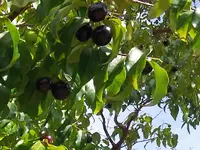
Individual trees are usually either male or female (dioecious), so only female trees produce the characteristic pendulous clusters of black berries after pollination.

Botan icon

Did you know?

In its native range, this species often serves as a living landmark in open pasture, providing one of the few large, permanent shade sources for livestock and people across extensive grassland plains.

FAQs about Ombu

This species is considered fast-growing, especially in warm climates with deep, well-drained soil. Young trees can add noticeable height and trunk girth each year, so allow generous space when planning long-term placement in the landscape.

Grow Healthy Plants with Botan Care

Keep your plants happy and healthy with plant identification, disease detection, and easy care guidance.


Botan plant care app — identify plants on mobile

Explore More Plants