gumtree Care (Sapium glandulosum)

gumtree

About gumtree

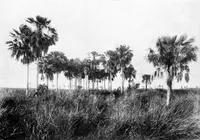
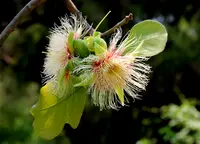
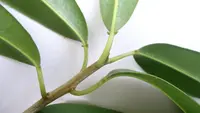
Sapium glandulosum, often called gumtree, is a woody plant or small tree known for its smooth bark and milky sap. It typically has simple, medium-sized leaves and a tidy, upright habit.

This species is native to parts of Central and South America, where it grows in warm, humid regions. In cultivation, it is still uncommon and better suited to experienced growers.

Its sap and sensitivity to cold make it more demanding than many common ornamentals. Stable warmth, bright light, and evenly moist but well-drained soil are important if you want to learn how to care for gumtree.

Main Plant Requirements

Care Difficulty

Moderate Care

Light Preference

Full Sun

Water Requirements

Moderate Water

Temperature Preference

Tropical / Frost Sensitive

Hardiness Zone

10–12

Soil Texture

Sandy, Loamy, Organic-rich

Soil pH

Acidic (5.5–6.5), Slightly acidic (6.5–7.0)

Soil Drainage

Moist but well-drained

Fertilization

Minimal (feed rarely)

Get Personalized Care Plan

Scan your plant to receive care tips personalized for your specific plant

Available on iOS and Android

How to Care for the gumtree

Sapium glandulosum grows best in bright, open conditions with protection from extreme midday sun.

  • Provide 6–8 hours of direct sun daily, ideally with morning sun and light afternoon shade, especially in hotter climates.
  • Tolerates partial shade (around 3–4 hours of direct sun), but growth and branching may be looser and slower in low light.
  • In intense summer sun, especially for young gumtree plants, use light shade or companion planting to reduce leaf scorch and moisture stress.

This species prefers evenly moist, well‑drained soil and reacts quickly to extremes in watering.

  • Allow the top 3–5 cm of soil to dry before deep watering, ensuring excess water drains freely to avoid root rot.
  • In warm growing seasons, monitor soil weekly; in cooler or rainy periods, extend intervals and rely on soil feel rather than a fixed schedule.
  • Signs of overwatering include yellowing, soft leaves and sour-smelling soil, while dull, curling, or browning leaf edges indicate the plant is staying too dry.

This plant favors warm, frost‑free conditions for steady growth and reliable foliage.

  • Optimal growth occurs around 68–86°F (20–30°C), with best performance in consistently warm, humid climates.
  • Avoid exposing plants to temperatures below 41°F (5°C); young or potted specimens are especially sensitive to brief cold snaps.
  • Tolerates short heat waves up to about 95°F (35°C) if soil moisture is maintained, but prolonged extremes can cause leaf scorch and growth slowdown.

This species is moderately humidity-tolerant but benefits from slightly moist air in cultivation.

  • Aim for 40–60% humidity, which suits most homes and reduces leaf-edge browning.
  • Tolerates short dry spells but prolonged air below 30% can cause tip scorch and premature leaf drop.
  • Increase humidity with grouped plants or a pebble tray under the gumtree container, rather than misting leaves directly.

This tree prefers well-drained, slightly moist soil that does not stay waterlogged.

  • Use a loose loam-based mix with 40–50% compost, 20–30% coarse sand, and 20–30% perlite to balance moisture retention and drainage.
  • Maintain soil pH around 6.0–7.5, avoiding strongly acidic or alkaline mixes that can limit nutrient uptake.
  • Improve aeration by incorporating chunky organic material such as fine bark, preventing compaction around the roots of Sapium glandulosum.
  • Avoid heavy clay, consistently waterlogged spots, or dense peat-only mixes that suffocate roots and promote rot.

This species can be grown in large containers for juvenile stages or patio use if stability and drainage are well managed.

  • Choose a wide, heavy container to counteract wind leverage from the woody top growth and reduce tipping risk.
  • Select a pot depth that allows a broad root zone, leaving at least 5–8 cm of space below the root mass for drainage material.
  • Use rigid materials like thick plastic or ceramic that support the trunk and limit side flexing, which can disturb anchoring roots in loose mix.

Sapium glandulosum benefits from modest feeding when grown in managed landscapes or containers.

  • Use a balanced slow-release fertilizer (such as 10-10-10) or well-rotted compost at the start of the growing season.
  • Apply light doses every 6–8 weeks in spring and summer for young or container plants, avoiding heavy applications.
  • Dilute liquid feeds to 1/2 strength and water the soil beforehand to limit root burn.
  • In autumn and winter, stop feeding gumtree to allow natural dormancy and avoid weak, frost-sensitive growth.

Sapium glandulosum responds well to thoughtful structural pruning in cultivated settings.

  • Carry out main pruning in late winter or very early spring before active growth begins.
  • Remove dead, diseased, crossing, or storm-damaged branches first to maintain plant health and safety.
  • Thin crowded interior shoots to improve light penetration and airflow, guiding a single strong leader where desired.
  • Use clean, sharp bypass pruners or a pruning saw, making smooth cuts just outside the branch collar.

This tree is usually grown in the ground, so care focuses on transplanting young plants rather than long-term container culture.

  • Transplant in late winter or early spring while the plant is dormant and soil is workable.
  • Look for signs such as roots circling the nursery pot, poor vigor, or the root ball drying very quickly.
  • Shift young trees to a hole 2–3 times the root-ball width, using well-drained soil at the same planting depth.
  • Water thoroughly after transplanting, then keep soil evenly moist and apply a light mulch to reduce root stress.

Sapium glandulosum is typically propagated from seed under controlled conditions.

  • Collect ripe seeds from mature capsules and clean off any remaining pulp.
  • Sow seeds in late winter or early spring in a free-draining seed mix kept slightly moist.
  • Provide warm conditions of about 68–77°F and bright, indirect light to support germination.
  • Label seed trays clearly and thin or prick out seedlings once they develop several true leaves.

This species has moderate cold tolerance in suitable climates and usually needs limited winter care in the ground.

  • In regions with occasional frost, apply a 5–8 cm mulch layer around the root zone, keeping it off the trunk.
  • Avoid winter fertilization and heavy pruning, which can stimulate tender growth before freezes.
  • For container-grown plants in colder zones, move pots to a sheltered, frost-free but cool, bright location.

Care Tips

Protective handling

Wear gloves and long sleeves when pruning or moving the plant, and immediately wash off any sap from skin or tools, as the latex is irritating and can contaminate pruning equipment.

Single-leader training

In the first few years, select one strong central stem and remove competing leaders and low, weak branches to create a stable trunk that better resists storm and wind damage.

Structural wind support

In open or windy sites, use 2–3 loosely tied stakes set outside the root zone for the first 1–2 years, checking ties each season so the trunk can flex slightly and develop strong wood.

Root-zone protection

Maintain a 5–10 cm mulch layer in a wide ring around the tree, keeping it a few cm away from the trunk, to buffer soil temperature, reduce mechanical damage from mowers, and protect developing roots.

Long-term site planning

When planning growing gumtree outdoors, position it well away from foundations, paved surfaces, and drainage lines, since its vigorous root system can exploit cracks and confined spaces over time.

Everything About gumtree

Common Pests and Diseases

Leaf spot

This disease causes irregular brown or dark purplish spots on leaves, sometimes with a yellow halo and early leaf drop on stressed trees. Symptoms include heavier damage on young foliage and on trees growing in very humid or crowded conditions.

Solution

Prune to open the canopy and improve airflow, remove and discard heavily spotted fallen leaves, and avoid overhead irrigation that keeps foliage wet. For valuable specimens, a copper-based fungicide can be used at the start of the rainy season following label directions, combined with good Sapium glandulosum care to keep the tree vigorous.

Powdery mildew

This disease forms a white to gray powdery coating on young leaves and shoots, leading to distorted growth and reduced vigor. Symptoms include more intense infection on plants in shade or in areas with poor air circulation.

Solution

Thin dense branches to increase light and airflow, and avoid overhead watering late in the day. In persistent cases, treat new growth with a horticultural oil or potassium bicarbonate product labeled for powdery mildew, repeating as directed until conditions dry and new leaves emerge clean.

Scale insects

These insects attach firmly to stems and leaf veins as small brown or gray bumps and suck sap, which can cause yellowing leaves, dieback of twigs, and sticky honeydew on nearby surfaces. This pest often appears on stressed or drought-affected trees in warm climates.

Solution

Prune and dispose of heavily infested twigs and gently scrub accessible stems with a soft brush and mild soapy water. For larger or recurring infestations, apply a horticultural oil during mild weather to coat the insects, and support tree health with proper watering and mulching rather than excess fertilizer when caring for gumtree.

Leaf beetle defoliation

These insects chew irregular holes or entire sections out of leaves, sometimes causing partial defoliation on young or plantation-grown trees. This pest is more problematic where local leaf beetle species favor Euphorbiaceae hosts.

Solution

Regularly inspect foliage during the growing season and hand-pick beetles or larvae where possible, dropping them into soapy water. For nursery or young field plantings with heavy damage, use targeted applications of a biological insecticide containing Bacillus thuringiensis (Bt) or another product labeled for leaf-chewing beetles, and encourage local predators by maintaining plant diversity around the site.

Stem canker

This disease produces sunken, cracked, or darkened lesions on branches or the main stem, sometimes exuding sap and leading to dieback above the affected area. Symptoms include wilted foliage on branches with girdling cankers and increased incidence after mechanical damage or severe pruning cuts.

Solution

Carefully prune out affected branches at least 10–15 cm below visible symptoms, sterilizing tools between cuts with alcohol or a 10% bleach solution, and avoid leaving large, ragged wounds. Improve overall vigor with consistent watering during establishment, maintain a mulch ring to protect the trunk from mechanical injury, and avoid heavy nitrogen fertilization that can promote susceptible soft growth.

Interesting Facts

Latex-rich sap

This species produces a milky, latex-rich sap that is irritant to skin and mucous membranes and helps protect the plant from herbivores.

Pioneer tree role

In parts of its native range in South and Central America, this tree behaves as a pioneer species, quickly colonizing disturbed or degraded sites and contributing to early forest regeneration.

Spurge family traits

As a member of the Euphorbiaceae, it shows typical family traits such as unisexual flowers and small, often inconspicuous inflorescences that are mainly visited by generalist insects.

FAQs about gumtree

This species is generally fast-growing, especially in warm climates with consistent moisture. Young plants can add noticeable height each year, then slow slightly as trunks thicken and crowns broaden. Growth rate depends strongly on light, water, and soil fertility.

Grow Healthy Plants with Botan Care

Keep your plants happy and healthy with plant identification, disease detection, and easy care guidance.

Botan plant care app — identify plants on mobile

Explore More Plants