European ash Care (Fraxinus excelsior)

Also known as: ash
European ash

About European ash

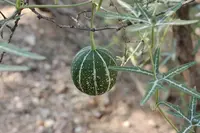
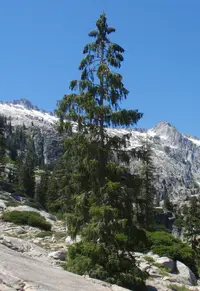
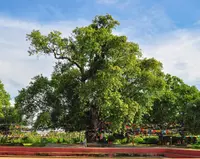
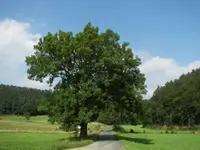
European ash, Fraxinus excelsior, is a large deciduous tree commonly found in woodlands, hedgerows, and parks across much of Europe. It forms a tall, upright crown with smooth gray bark when young that becomes more fissured with age.

Its leaves are divided into multiple narrow leaflets, giving the canopy a light, airy look and allowing good light penetration. The tree grows fast in deep, moist, well-drained soils and prefers cool to mild climates.

Due to its eventual size and strong root system, it suits large gardens and landscapes rather than small spaces. Understanding how to care for European ash starts with giving it enough room, suitable soil, and consistent moisture in the establishment phase.

Main Plant Requirements

Care Difficulty

Moderate Care

Light Preference

Full Sun

Water Requirements

Moderate Water

Temperature Preference

Cold Hardy

Hardiness Zone

4–7

Soil Texture

Loamy, Silty, Clay

Soil pH

Slightly acidic (6.5–7.0), Neutral (7.0)

Soil Drainage

Moist but well-drained

Fertilization

Minimal (feed rarely)

Get Personalized Care Plan

Scan your plant to receive care tips personalized for your specific plant

Available on iOS and Android

How to Care for the European ash

Fraxinus excelsior thrives as a large landscape tree with ample direct light.

  • Provide 6–8 hours of direct sun daily; locations with open sky exposure are ideal for strong crown development.
  • Tolerates light or partial shade, especially in youth, but long-term shade reduces growth rate and canopy density in European ash.
  • In hot regions, prioritize morning sun with light afternoon shade to limit leaf scorch, and avoid planting where reflective heat from walls or pavement intensifies summer sun.

This species prefers evenly moist but not waterlogged soil, especially while establishing.

  • During the first 2–3 growing seasons, water deeply when the top 5–8 cm of soil feel dry, aiming to wet the root zone to 20–30 cm depth.
  • Choose soil with good drainage; standing water for more than 24 hours or sour, swampy odor indicates overwatering and root stress.
  • In summer drought, watch for dull, drooping leaves as a cue to irrigate, while yellowing leaves and dieback on wet soil suggest chronic excess moisture in Fraxinus excelsior.

This hardy deciduous tree is adapted to cool to temperate outdoor climates.

  • Optimal growth occurs around 55–75°F (13–24°C), with vigorous shoot and root development in mild, moist conditions.
  • Mature trees tolerate winter lows near −20°F (−29°C); prolonged colder spells may damage young bark and fine roots, so protect saplings with mulch.
  • Heat tolerance is moderate; short periods up to 90–95°F (32–35°C) are acceptable if soil moisture is maintained, but extended hot, dry weather increases leaf scorch and stress.

Fraxinus excelsior tolerates a wide humidity range and usually does not need special humidity management outdoors.

Fraxinus excelsior prefers deep, moist, well‑drained mineral soils with stable structure.

  • Use a loamy soil with moderate organic matter, mixing native soil with 20–30% compost for structure and nutrients.
  • Ensure consistent drainage; avoid waterlogged sites, compacted clay, or areas that stay saturated after rain.
  • Aim for slightly acidic to neutral pH around 6.0–7.5; amend very acidic soils with lime and very alkaline soils with organic matter.
  • Improve aeration on heavier soils by incorporating coarse sand or fine gravel into the top 20–30 cm before planting.

This species is generally unsuitable for long‑term container growing due to its eventual large size and extensive root system.

Fraxinus excelsior benefits from modest, targeted feeding in nutrient-poor or urban soils.

  • Apply a balanced slow-release NPK fertilizer at half strength once in early spring to support new growth.
  • In poorer soils, top-dress with 2–5 cm of well-rotted compost over the root zone each spring, keeping it off the trunk.
  • Skip or greatly reduce additional feeding in mid-summer and avoid fertilizing in fall and winter, when growth slows or stops.
  • Water thoroughly after applying fertilizer to move nutrients into the root zone and reduce the risk of root burn.

Pruning Fraxinus excelsior focuses on structural safety and removing problem wood rather than heavy shaping.

  • Carry out main pruning in late winter to very early spring, before bud break, in dry weather to limit disease risk.
  • Remove dead, damaged, rubbing, or crossing branches, and thin congested areas to improve light and air through the crown.
  • Use clean, sharp bypass pruners or a pruning saw, cutting just outside the branch collar without leaving stubs.
  • Shape young trees with a clear central leader and well-spaced scaffold branches to produce a strong, stable framework.

Fraxinus excelsior is usually grown in the ground, so care centers on correct transplanting rather than frequent repotting.

  • Transplant bare-root or container trees in late fall or early spring when soil is workable and the tree is dormant.
  • Look for circling roots or a dense root mass filling the pot; gently tease roots outward before planting to prevent girdling.
  • Set the tree at the same depth as in the nursery container, backfill with native soil, and firm gently to remove air pockets.
  • Water deeply after planting, mulch 5–8 cm over the root zone, and keep soil evenly moist for the first 1–2 growing seasons to limit transplant shock.

Fraxinus excelsior is most often propagated from seed, with cuttings less commonly used outside specialist settings.

  • Collect ripe seed in fall, then cold stratify for 60–90 days at 34–41°F to break dormancy and improve germination.
  • Sow stratified seed in deep trays or nursery beds with free-draining, loamy substrate, keeping it just moist, not wet.
  • Take semi-ripe cuttings in mid- to late summer, treat bases with rooting hormone, and place in a humid, bright but indirect light environment.
  • Allow seedlings to develop strong root systems for 1–2 years before planting out, spacing to allow future canopy spread when growing European ash.

Fraxinus excelsior is cold hardy in much of the US and generally needs minimal winter care once established.

  • Young or newly planted trees benefit from a 5–8 cm mulch layer over the root zone, kept clear of the trunk flare.
  • In very cold or exposed sites, wrap the lower trunk of young trees with a breathable tree guard to limit bark damage.
  • Container-grown specimens should be moved to a sheltered, unheated area where the root ball does not freeze solid for long periods.

Care Tips

Early crown training

In the first 5–7 years, select a single strong leader and evenly spaced scaffold branches, removing competing leaders and narrow crotch angles to build a stable crown that resists storm damage later in life.

Root zone protection

Keep a wide mulch ring (at least 60–90 cm from the trunk) free of turf and foot traffic to protect shallow feeder roots and reduce soil compaction that can weaken the tree over time.

Wind load management

In exposed sites, thin congested inner branches lightly rather than heading back tips, which improves air movement through the canopy and reduces the risk of branch failure in high winds.

Disease monitoring routine

Inspect leaves, shoots, and bark 2–3 times per growing season for dieback, cankers, or premature leaf drop so any signs of ash dieback or other issues are documented early and reported to local extension services if required.

Infrastructure clearance planning

When caring for European ash near buildings or power lines, plan structural pruning every 3–5 years while the tree is young to maintain safe clearances and avoid severe cuts later that stress the tree.

Common Pests and Diseases

Emerald ash borer

This pest is a metallic green beetle whose larvae tunnel under the bark, disrupting water and nutrient flow and causing canopy dieback and eventual tree death.

Solution

Monitor for D-shaped exit holes, serpentine galleries under the bark, and thinning foliage; in early infestations, consult an arborist about systemic insecticides applied to the soil or trunk, and promptly remove and properly dispose of heavily infested trees to slow spread.

Ash dieback

This disease is caused by the fungus Hymenoscyphus fraxineus and leads to leaf loss, shoot dieback, stem lesions, and often death of young European ash trees.

Solution

Prune out and destroy infected shoots and branches during dry weather, disinfect tools between cuts, avoid planting new ash in areas with known infection, and favor natural regeneration or planting of tolerant species rather than attempting chemical control.

Ash yellows

This disease is caused by a phytoplasma (bacteria-like organism) and leads to sparse foliage, small chlorotic leaves, witches’ brooms, and chronic decline over several years.

Solution

Remove and destroy heavily affected trees to reduce the local source of infection, encourage overall tree vigor with proper watering and mulching, and avoid replanting ash in the same location where ash yellows has been confirmed.

Ash bark beetles

These insects are small bark-boring beetles whose larvae feed in the inner bark, often attacking stressed or weakened ash trees and contributing to branch dieback.

Solution

Improve tree vigor with proper watering during drought, avoid trunk injury, prune and destroy heavily infested or dead branches, and consider trunk or canopy treatments by a certified arborist in areas with repeated infestations.

Ash rust

This disease is a fungal infection that causes yellow to orange pustules on leaves and petioles, sometimes leading to premature leaf drop but rarely killing mature trees.

Solution

Rake and destroy fallen leaves to reduce overwintering spores, ensure good spacing and airflow around trees, and in severe, recurring cases consider a preventive fungicide spray timed to early leaf emergence according to local Fraxinus excelsior care instructions.

Interesting Facts

Keystone forest species

European ash is one of the dominant native broadleaf trees in much of Europe, forming mixed forests that support hundreds of associated fungi, insects, lichens, and understory plants that depend on its wood, leaves, or specific microhabitats.

Wind-powered reproduction

Its seeds develop as winged samaras, sometimes called ash keys, that are dispersed by wind and can remain on the tree into winter, allowing gradual release and colonization of open or disturbed ground.

Remarkably strong timber

The pale, elastic wood is unusually tough and shock resistant, which led to long-standing use for tool handles, agricultural implements, sports equipment, and bent wooden components where high flexibility and strength are needed.
Botan icon

Did you know?

In many parts of Europe, individual European ash trees can live for several centuries and develop massive, hollow trunks that remain alive and structurally functional, providing important shelter for bats, cavity-nesting birds, and saproxylic insects that specialize in decaying wood.

FAQs about European ash

This species is generally fast-growing, adding about 30–60 cm per year in average conditions, sometimes more in deep, moist, fertile soils. Growth slows noticeably on compacted, dry, or nutrient-poor sites and in exposed, windy locations.

Grow Healthy Plants with Botan Care

Keep your plants happy and healthy with plant identification, disease detection, and easy care guidance.

Botan plant care app — identify plants on mobile

Explore More Plants