


Almond (Prunus amygdalus) Light Needs

Almond grows best in full sun, with long, direct exposure for strong growth, flowering, and crop development.

Light Preference

Full Sun

Prunus amygdalus Light Requirements

Prunus amygdalus is associated with dry, open landscapes in western and central Asia, where sunlight is strong and shade is limited. In cultivation, the species keeps that same need for open exposure rather than filtered or shaded conditions.

Seasonal dormancy helps it tolerate winter cold, but active growth, bloom, and fruit development depend on long, bright days. Its preferred light is full sun.

  • Ideal exposure:

    Almond needs about 6–8 hours of full sun daily, including at least 6 hours of direct sunlight.

  • Direct sun tolerance:

    Established trees tolerate all-day sun when acclimated and rooted in open ground.

  • Low-light limits:

    Less than 6 hours of direct sun usually reduces vigor, flowering, and nut production.

  • Midday sun:

    Morning sun is useful, but this species performs best when light continues through the middle of the day.

  • Harsh transitions:

    Newly planted or container-grown specimens may scorch if moved suddenly from shade into hot afternoon sun.

Strong sun is usually suitable, but abrupt or extreme exposure can still cause stress.

Bleached patches:

Pale tan areas may appear on leaves that were previously shaded, especially after a sudden move into intense sun.

Crisp scorch spots:

Dry brown patches can develop where hot afternoon light hits tender new leaves or recently exposed shoots.

Heat-cupped leaves:

Leaves may cup or curl during the hottest hours when sun is intensified by walls, pavement, or reflected heat.

Sunscalded young bark:

Thin young stems can show pale, damaged areas after pruning or sudden exposure removes previous shade.

Reduce the intensity by adding temporary afternoon shade or moving containers away from reflective surfaces. Increase exposure gradually over 1–2 weeks.

Low light weakens growth and limits bloom on this full-sun species.

  • Stretched shoots:

    New growth may look long and thin, with wider spacing between leaves than normal.

  • Leaning growth:

    Branches may angle toward the brightest side instead of forming a balanced, open shape.

  • Fewer flowers:

    Bud formation and spring bloom can be reduced when the plant does not receive enough direct sun.

  • Small new leaves:

    Leaves produced in weak light may be smaller, thinner, or sparse along new shoots.

  • Slow active growth:

    During the growing season, weak light can make new extension growth noticeably limited.

Move container specimens to a sunnier outdoor position, or reduce surrounding shade where the plant is established. Aim for full sun rather than partial shade.

If ideal exposure is not available, choose the most open outdoor spot that still gives at least 6 hours of direct sun. Prioritize midday light over a site that receives only brief morning sun.

Remove or thin nearby overgrowth that casts shade during active growth. For container specimens, shift the pot gradually into brighter exposure over several days.

Deep shade is unsuitable because it limits flowering, shoot strength, and crop development.

Get Personalized Care Plan

Scan your plant to receive care tips personalized for your specific plant

FAQ

Almond light requirements are full sun, meaning open, direct light for most of the day. The species is not suited to shade or dim indoor conditions.

Everything About Almond

More Plant Light Guides

Get the Botan App

Discover how to care for your plants with Botan.

Botan app identifying a plant with a phone camera
Planting Grass Seed in Summer – What Works and What Fails

7 min read · 6 Aug 2026

Planting Grass Seed in Summer – What Works and What Fails

Summer seeding succeeds when the grass type suits the season, and the soil stays moist. Find out how to prepare the seedbed and choose a safe window for planting.

Plant Care
Planting Grass Seed in Summer – What Works and What Fails
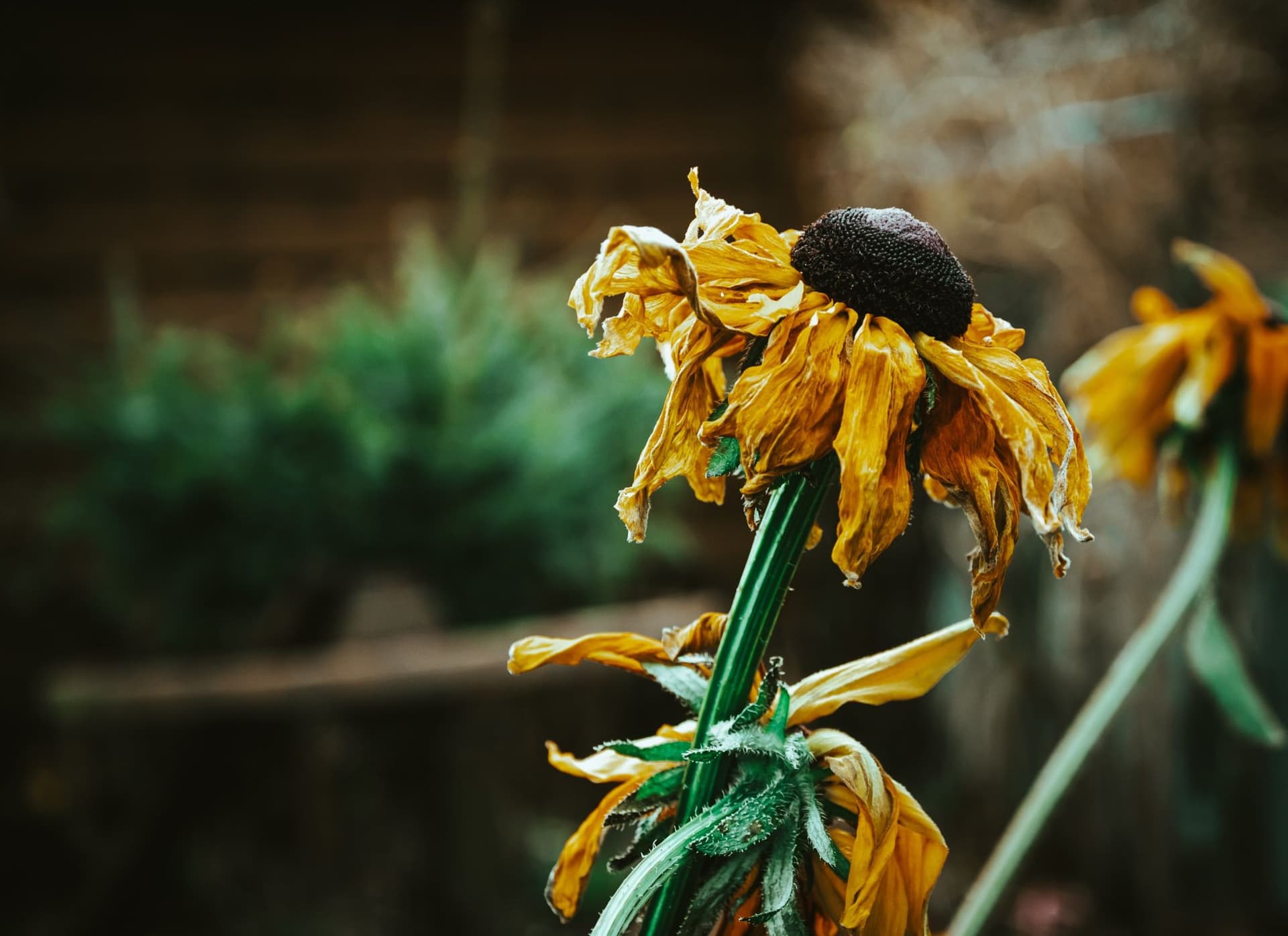
How to Tell if a Plant Is Dead

6 min read · 19 Aug 2026

How to Tell if a Plant Is Dead

A plant can lose its leaves, stop growing, or collapse and still remain alive. A closer look at the stems, roots, bulbs, and tubers can show whether the plant still has a chance to recover.

Beginner Guides
How to Tell if a Plant Is Dead
Best Time to Water Grass in Summer – Lawn Watering Tips

5 min read · 21 Jul 2026

Best Time to Water Grass in Summer – Lawn Watering Tips

Summer watering is easy to get wrong. This guide explains when to turn on your sprinkler, how much liquid your grass needs each week, and how to tell if you're overwatering or underwatering.

Plant Care
Best Time to Water Grass in Summer – Lawn Watering Tips