


fever tree (Vachellia xanthophloea) Light Needs

fever tree grows best in full sun, with long daily exposure to direct, unfiltered light.

Light Preference

Full Sun

Vachellia xanthophloea Light Requirements

In its native range of eastern and southern Africa, fever tree grows in open savannas, floodplains, and seasonally wet lowlands. These sites have little overhead shade and receive strong sun for much of the day, often with bright seasonal heat.

Cultivated plants follow the same pattern. Best growth, dense branching, and normal flowering depend on open exposure rather than shade. Preferred light is full sun.

  • Ideal exposure:

    fever tree needs about 6–8+ hours of full sun daily, including at least 6 hours of direct sun.

  • Direct sun:

    Established outdoor plants tolerate direct midday and afternoon sun when they have been grown in open conditions.

  • Low light:

    Light shade is not suitable for long-term growth because it weakens branching and reduces flowering potential.

  • Acclimation:

    Plants moved from covered or shaded conditions should receive stronger sun gradually over 1–2 weeks.

Excess light problems are most likely after abrupt exposure changes.

Pale patches:

Leaflets may develop bleached or tan areas after a sudden move from shade into strong sun.

Sun-facing damage:

Scorch usually appears most clearly on the side receiving the harshest afternoon exposure.

Tender tip scorch:

Soft new shoots may dry or crisp if exposed abruptly during hot, clear weather.

Shift the plant back to slightly gentler exposure, or add temporary afternoon shade for a short adjustment period. Reintroduce stronger sun over 1–2 weeks.

Weak light shows in the structure of Vachellia xanthophloea before severe decline appears.

  • Stretching shoots:

    New stems may become longer between leaf clusters as the plant reaches for stronger light.

  • One-sided leaning:

    Growth may angle toward the brightest opening instead of staying evenly upright.

  • Sparse canopy:

    Branching can look thin, with fewer leafy shoots forming in shaded sections.

  • Reduced flowering:

    Flowering may be limited or absent when direct sun is not strong enough during the growing season.

Move the plant to a more open, sunny position where it receives direct sun for most of the day. Improve exposure gradually if it has been shaded for a long period.

If full-day sun is not available, choose the area with the longest unobstructed morning-through-afternoon exposure rather than a spot that gets only brief sun.

Remove or reduce nearby shade where possible so the canopy receives direct light from several angles during the day.

Do not rely on reflected patio light or bright open shade. Those setups are usually too weak for this full-sun species.

Get Personalized Care Plan

Scan your plant to receive care tips personalized for your specific plant

FAQ

This species needs full sun for strong, balanced growth. The best light for fever tree is open, direct exposure for most of the day, not shade or dim filtered light.

More Plant Light Guides

Get the Botan App

Discover how to care for your plants with Botan.

Botan app identifying a plant with a phone camera
13 Best Front Yard Trees for Every Home and Yard

12 min read · 7 Aug 2026

13 Best Front Yard Trees for Every Home and Yard

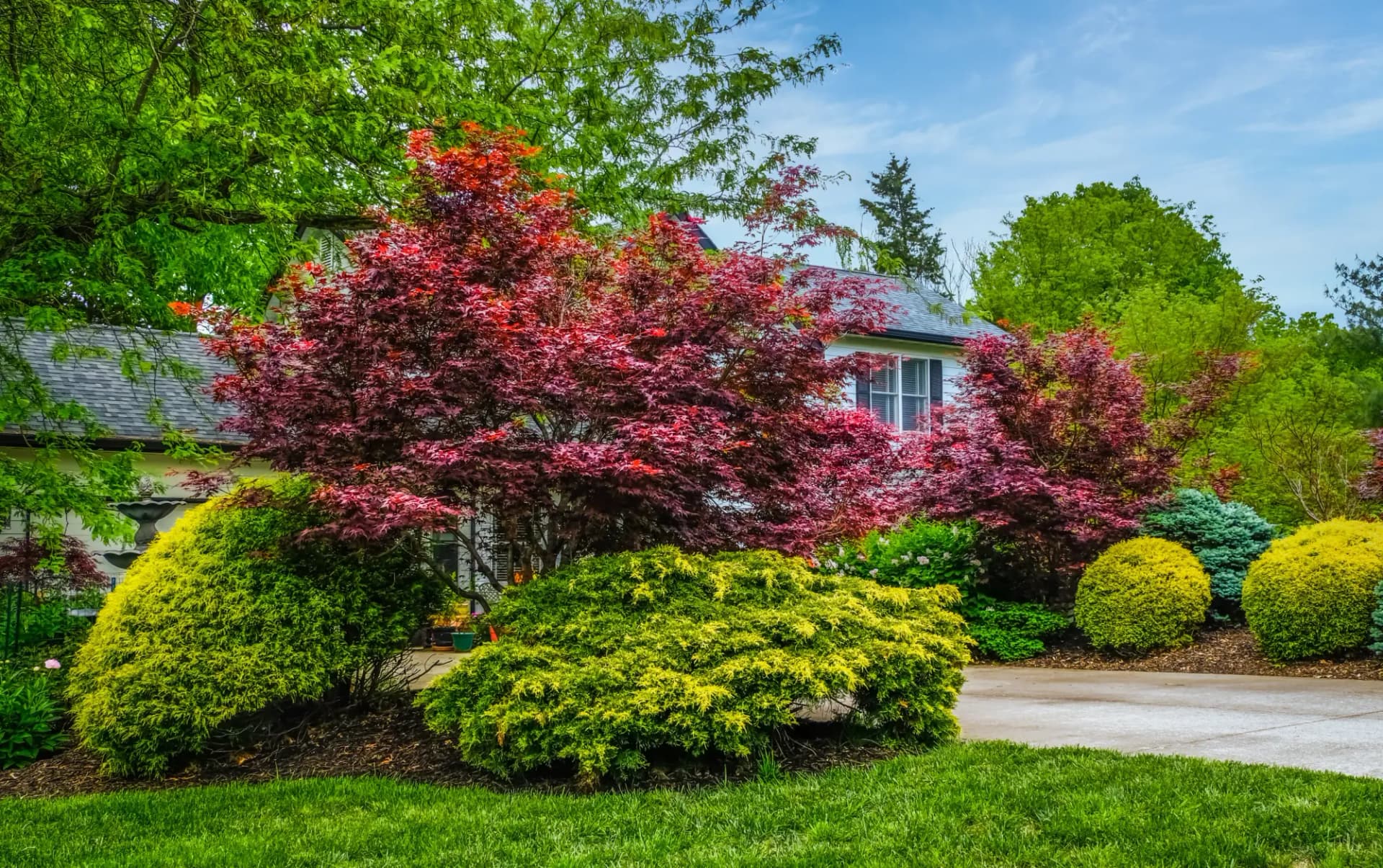
A front yard tree can stay for decades. Therefore, choosing one deserves serious consideration. Here are 13 trees that have proven themselves, sorted by their purpose. You'll also find five species to avoid and basic planting information.

Plant Recommendations
13 Best Front Yard Trees for Every Home and Yard
How to Increase Humidity for Plants – 8 Simple Ways That Work

8 min read · 14 Aug 2026

How to Increase Humidity for Plants – 8 Simple Ways That Work

Dry indoor air stresses a lot of houseplants. You usually notice it first in the browning leaf tips. This guide describes 8 simple ways to raise the moisture around your plants, from humidifiers to pebble trays.

Plant Care
How to Increase Humidity for Plants – 8 Simple Ways That Work
How to Tell if a Plant Is Dead

6 min read · 19 Aug 2026

How to Tell if a Plant Is Dead

A plant can lose its leaves, stop growing, or collapse and still remain alive. A closer look at the stems, roots, bulbs, and tubers can show whether the plant still has a chance to recover.

Beginner Guides
How to Tell if a Plant Is Dead