fever tree Care (Vachellia xanthophloea)

Also known as: Fever-tree Acacia, Sulphur Bark, Sulphur Bark Thorn, Fevertree Thorn, Look-Out Tree, Naivasha Thorn, Sulphur Tree, Sulphur-Bark Tree
fever tree

About fever tree

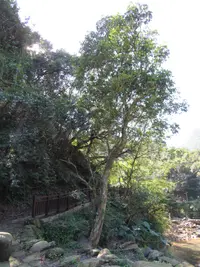
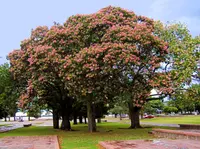
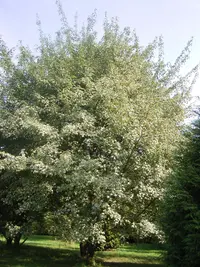
Fever tree, Vachellia xanthophloea, is a fast-growing African acacia tree known for its striking yellow-green bark and fine, feathery foliage. In the landscape it often forms an open, umbrella-shaped canopy that casts light, filtered shade.

It naturally occurs in moist lowlands and along riverbanks in eastern and southern Africa, where soils are seasonally wet but free-draining. Its rapid growth and strong thorns can make it challenging in small gardens but useful as a feature or screening tree.

Those who want to care for fever tree should know it prefers full sun, moderate moisture, and reasonably fertile, well-drained soil, and it is best suited to warm, frost-free climates.


Main Plant Requirements

Care Difficulty

Moderate Care

Light Preference

Full Sun

Water Requirements

Low Water

Temperature Preference

Tropical / Frost Sensitive

Hardiness Zone

10–11

Soil Texture

Sandy, Loamy, Rocky

Soil pH

Slightly acidic (6.5–7.0), Slightly alkaline (7.0–7.5)

Soil Drainage

Well-drained

Fertilization

Minimal (feed rarely)

Get Personalized Care Plan

Scan your plant to receive care tips personalized for your specific plant

Available on iOS and Android

How to Care for the fever tree

This sun-loving African tree needs strong, direct light to grow with a full, healthy canopy.

  • Provide 6–10 hours of full sun daily; an open, unshaded position is ideal for fever tree in most climates.
  • Tolerates light, shifting partial shade, but prolonged shade causes sparse branching, slower growth, and smaller, pale leaves.
  • In hot, arid regions, avoid intense reflected afternoon sun from walls or paving, which can scorch young bark; use temporary shade cloth in the first 1–2 summers.

This species prefers deep, infrequent watering once established, with soil allowed to dry somewhat between soakings.

  • Water when the top 5–8 cm of soil feels dry, then irrigate deeply so moisture reaches the full root zone rather than applying light surface splashes.
  • In the first 1–2 growing seasons, increase watering during hot, dry spells; in cool or rainy seasons, reduce or pause irrigation to avoid persistent soggy soil.
  • Watch for overwatering signs such as yellowing leaves and dieback in poorly drained spots; curling leaves and brittle twigs suggest the need for a slow, deep soak for Vachellia xanthophloea.

This warm-climate tree thrives in mild to hot conditions and reacts badly to freezing temperatures.

  • Ideal growth occurs around 70–90°F (21–32°C); trees in this range maintain active shoot growth and good foliage density.
  • It tolerates brief heat up to about 100–104°F (38–40°C) if soil moisture is adequate, but young trees benefit from mulch to keep roots cooler.
  • Avoid exposure below 28°F (−2°C); repeated or hard frosts can kill young Vachellia xanthophloea, so select a frost-free microclimate or provide temporary cold protection in marginal areas.

Humidity is not a major concern for this drought-adapted tree in typical household or outdoor conditions.

This species prefers lean, fast-draining soil that mimics its native sandy riverine habitats.

  • Use a gritty mix such as 50–60% coarse sand, 20–30% loam, and 10–20% inorganic aggregate like fine gravel or pumice.
  • Aim for slightly acidic to neutral pH, around 6.0–7.5, which supports balanced nutrient uptake for Vachellia xanthophloea.
  • Avoid heavy clay or peat-heavy mixes that retain water; they encourage root rot and poor aeration.
  • If starting with heavier soil, lighten it by blending in coarse sand and small gravel to create larger pores for root oxygen.

This tree can be grown in containers for the first years of life, but it remains a temporary solution due to eventual size and vigor.

  • Select a deep, wide, and heavy container to provide stability for the fast-developing root system and wind-sensitive canopy.
  • Choose a thick-walled clay or concrete pot if grown outdoors in full sun, as it moderates root temperature and reduces tipping risk.
  • Raise the container slightly off the ground with feet or blocks so drainage holes stay clear and water can exit rapidly after rain or irrigation.

Vachellia xanthophloea grows acceptably in lean soil but benefits from light feeding in containers or poor ground.

  • Use a balanced, slow-release fertilizer (for example 10-10-10) or mature compost at the start of spring growth.
  • Feed container plants every 6–8 weeks in spring and summer, using fertilizer at 50% label strength.
  • Avoid feeding in late fall and winter to prevent soft, frost-sensitive growth.
  • Water before and after feeding to reduce root burn and improve nutrient uptake.

Pruning Vachellia xanthophloea is mainly structural and corrective rather than intensive.

  • Carry out main pruning in late winter or very early spring, before active growth starts.
  • Remove dead, diseased, or crossing branches first, using clean, sharp bypass pruners or a fine-tooth saw.
  • Thin crowded interior shoots to improve airflow and maintain a single strong trunk and open crown.
  • Limit heavy cutting; shape gradually over several seasons to reduce stress and sunscald on newly exposed bark.

Young fever tree plants adapt to container culture and transplanting if handled carefully during warm seasons.

  • Check for roots circling the pot, slow growth, or frequent wilting as signs a container plant needs a larger home.
  • Plan transplanting for late spring to early summer, once frost risk has passed and soil is consistently warm.
  • Move up only 1–2 pot sizes or shift to a permanent ground position, keeping the root ball as intact as possible.
  • Water thoroughly after planting, then keep soil evenly moist and shaded for 7–10 days to reduce transplant shock.

Vachellia xanthophloea is most often propagated from seed under warm, bright conditions.

  • Collect ripe pods in late summer, dry them, then extract and store seeds in a cool, dry place until sowing.
  • Scarify hard seed coats lightly with sandpaper or a brief hot-water soak to improve germination.
  • Sow seeds in spring in a fast-draining mix, keep at 70–80°F, and maintain light, consistent moisture.
  • Provide strong light once seedlings emerge and transplant carefully once roots hold the mix together.

This species is frost sensitive and benefits from targeted winter protection in cool climates.

  • In the ground, use a 5–8 cm mulch layer over the root zone, keeping material away from the trunk base.
  • Wrap young trunks with breathable horticultural fleece during forecast frosts to limit bark damage.
  • Move container plants indoors or into a bright, frost-free greenhouse when temperatures approach 32°F.
  • Reduce watering in winter so soil stays just lightly moist, helping prevent root rot in cool conditions.

Care Tips

Wind-hardening seedlings

If starting young trees in containers, expose them gradually to increasing air movement outdoors over 1–2 weeks to develop stronger stems and reduce transplant shock when you grow Vachellia xanthophloea in open, windy positions.

Root training in pots

Use tall, narrow containers or air-pruning pots for young plants so the taproot can extend downward and side roots are air-pruned, which helps prevent root circling and improves later drought resilience.

Thorn-safe access

When planting near walkways or work areas, orient the tree so primary branches grow away from traffic zones and keep a clear, thorn-free access corridor to reduce injury risk during routine maintenance.

Canopy lifting early

In the first 3–5 years, selectively remove or shorten only the lowest competing branches each dormant season to create a higher, clean trunk that improves visibility and reduces breakage under light machinery or foot traffic.

Protection from frost pockets

In marginal climates, avoid planting in low-lying frost pockets and use temporary frost cloth around the young crown on cold nights, as tender new growth is more susceptible to damage than the mature bark and wood.

Everything About fever tree

Common Pests and Diseases

Acacia gall wasp

This pest causes swollen, knot-like galls on young shoots, twigs, and sometimes leaves, which can distort growth and weaken branches over time. These insects are more common on stressed or densely planted fever trees.

Solution

Prune out and destroy affected twigs and galls before adult wasps emerge, and maintain strong plant health through correct watering and light to reduce susceptibility. For severe infestations, use a targeted systemic insecticide labeled for gall wasps on acacias, applied according to label directions and timed to the active growing season.

Psyllids

These insects feed on sap, causing leaf curling, yellow mottling, and sticky honeydew that can lead to sooty mold on the distinctive yellow-green bark and foliage. This pest thrives in warm, dry conditions where natural predators are limited.

Solution

Spray foliage with a strong stream of water to dislodge nymphs, and prune heavily infested shoots. If symptoms persist, apply a horticultural oil or insecticidal soap thoroughly to leaf undersides and young shoots at 7–10 day intervals until new growth appears clean.

Armillaria root disease

This disease, caused by Armillaria fungi in the soil, leads to progressive canopy thinning, dieback, and eventual decline, often in trees planted on previously wooded or compacted sites. Symptoms include poor new growth and sometimes white fungal sheets under the bark at the root collar.

Solution

Remove severely affected trees including as much root material as possible, and avoid replanting another acacia in the same exact spot. For trees with mild symptoms, improve drainage, avoid overwatering, and reduce soil compaction so roots stay as dry and aerated as the species prefers, which is a key part of Vachellia xanthophloea care instructions.

Powdery mildew

This disease produces white to gray powdery patches on young leaves and shoots, which can cause leaf distortion and reduced vigor in humid but not overly wet conditions. Symptoms include dull, dusty-looking foliage, especially in crowded or shaded plantings.

Solution

Improve air circulation by thinning nearby vegetation and avoid overhead watering late in the day. Remove heavily infected leaves and, if needed, apply a sulfur or potassium bicarbonate fungicide labeled for ornamental trees, coating both leaf surfaces during dry weather.

Interesting Facts

Sulfur-yellow photosynthetic bark

The tree’s smooth yellow-green bark contains abundant chlorophyll, allowing it to photosynthesize directly through the trunk and branches, especially when it has shed leaves during dry periods.

Bird and insect magnet

Its hollow, often ant-occupied thorns and copious nectar-bearing flowers create nesting and feeding sites for many birds and insects in East African wetlands and savannas.

Iconic fever-tree wetlands

This species commonly dominates seasonally flooded, high-water-table soils around lakes and rivers in eastern Africa, forming distinctive open woodlands known as fever-tree forests.

Botan icon

Did you know?

The common name fever tree arose because early European settlers in East Africa associated groves of this tree near swamps with outbreaks of malaria, not realizing the real cause was Anopheles mosquitoes breeding in the same wet habitats, not the tree itself.

FAQs about fever tree

Growth is relatively fast in warm climates, averaging 45–90 cm per year once established. Young trees often show the quickest extension growth, especially when roots have access to consistent moisture and there is no severe pruning or root disturbance.

Grow Healthy Plants with Botan Care

Keep your plants happy and healthy with plant identification, disease detection, and easy care guidance.

Botan plant care app — identify plants on mobile

Explore More Plants