Dwarf Siberian Pine Care (Pinus pumila)

Also known as: Dwarf Stone Pine, Japanese stone pine, Siberian dwarf pine, creeping pine
Dwarf Siberian Pine

About Dwarf Siberian Pine

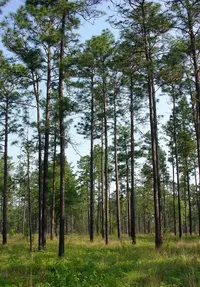
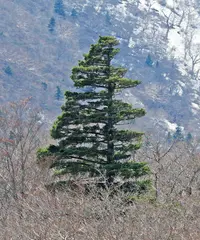
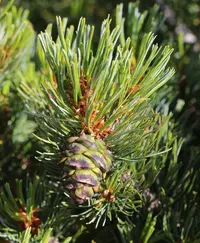
Dwarf Siberian pine (Pinus pumila) is a low, spreading conifer that forms dense, shrubby mats rather than a tall tree. Its needles are short, in bundles, and stay evergreen, giving steady color and structure year-round.

This species is native to cold, windy regions of eastern Siberia, northern Japan, and parts of northeast Asia, where it naturally grows on mountain slopes and exposed sites. It is generally slow-growing and long-lived, which can make it stable but not fast to fill a space.

In cultivation, it suits rock gardens, alpine beds, and cold climates, provided it receives good light, well-drained soil, and moderate moisture. Understanding how to care for Dwarf Siberian Pine starts with respecting its origin in harsh, open habitats.

Main Plant Requirements

Care Difficulty

Moderate Care

Light Preference

Full Sun

Water Requirements

Low Water

Temperature Preference

Cold Hardy

Hardiness Zone

2–7

Soil Texture

Sandy, Loamy, Rocky

Soil pH

Strongly acidic (4.5–5.5), Acidic (5.5–6.5)

Soil Drainage

Well-drained

Fertilization

Minimal (feed rarely)

Get Personalized Care Plan

Scan your plant to receive care tips personalized for your specific plant

Available on iOS and Android

How to Care for the Dwarf Siberian Pine

This cold-climate conifer prefers bright, open exposures but adapts to some shade.

  • Provide 6–8 hours of direct sun daily; full sun is ideal for dense growth and compact form in Dwarf Siberian Pine.
  • Allow light afternoon shade in hotter regions to reduce needle scorch, especially on young or newly transplanted plants.
  • In winter, choose a site with full sun and good air movement to limit snow mold, but avoid deep shade that leads to sparse, leggy shoots.

This slow-growing pine prefers evenly moist but never saturated soil once established outdoors.

  • Water deeply when the top 5–8 cm of soil feels dry, aiming to moisten the root zone rather than just the surface.
  • Use sharply drained, sandy or gravelly soil; persistent puddling, sour smell, or yellowing needles suggest overwatering and poor drainage.
  • During the first 2–3 growing seasons, monitor after hot, dry, or windy spells; drooping or browning needle tips indicate the need for a thorough soak for Pinus pumila.

This species is strongly cold-hardy and thrives in cool to cold climates with moderate summers.

  • Best active growth occurs around 50–70°F (10–21°C), typical of cool summer regions and higher elevations.
  • Mature plants tolerate winter lows near -40°F (-40°C) with snow cover, though young plants benefit from wind protection their first seasons.
  • Heat tolerance is modest; prolonged periods above 85°F (29°C) can stress plants, so provide mulch and avoid reflective, heat-trapping sites in hot climates.

This species handles a wide humidity range and usually does not need special humidity control outdoors.

  • Target 30–60% humidity, which typical outdoor air in temperate regions provides without intervention for Dwarf Siberian Pine.
  • Dry air alone rarely harms the plant; problems arise more from heat and drought combined than from low humidity itself.
  • True humidity stress shows as browning needle tips plus dry soil; address by improving soil moisture management rather than misting foliage.

Pinus pumila prefers lean, well-aerated, sharply drained soil that mimics rocky or sandy mountain habitats.

  • Use a gritty mix such as 50–70% mineral components (coarse sand, grit, small gravel, pumice, or perlite) blended with 30–50% low-nutrient, slightly acidic loam.
  • Aim for pH 5.0–6.5, avoiding strongly alkaline substrates that can cause nutrient lockout, chlorosis, and weak growth.
  • Ensure very rapid drainage; raised beds or mounded planting with plenty of coarse material around the root zone reduce waterlogging risk.
  • Avoid heavy clay, peat-heavy mixes, or compacted soil; incorporate coarse bark or grit to increase pore space and root aeration.

This conifer can be grown in containers, especially as a dwarf landscape or rock-garden specimen on patios and balconies.

  • Choose a wide, low container to accommodate its spreading, shrubby root system and reduce tipping in strong winds.
  • Use a heavy, frost-resistant pot material like ceramic or stone to stabilize the plant and buffer rapid moisture swings.
  • Elevate the pot slightly on feet or blocks so drainage holes clear the ground and excess water escapes quickly after rain or irrigation.

This alpine conifer grows well in lean soil, so Dwarf Siberian Pine needs only modest fertilization in cultivation.

  • Use a balanced, slow-release conifer fertilizer or light compost top-dressing in spring, once per year.
  • Apply at 1/2 strength of the label rate, especially in containers, to avoid excessive, weak growth.
  • Water thoroughly after feeding so nutrients move into the root zone without concentrating at the surface.
  • Do not fertilize in late summer or winter, which can disrupt hardening and reduce cold tolerance.

Pruning Pinus pumila is usually light and focused on maintaining health and natural form.

  • Best time is late winter to early spring, before active growth, so cuts heal as sap flow increases.
  • Remove dead, diseased, storm-damaged, or rubbing branches using sharp, clean bypass pruners or a small saw.
  • Limit cuts to small branches; avoid heavy structural removal that distorts the natural low, spreading habit.
  • Light tip thinning can reduce crowding and slightly refine shape but should not expose large bare sections.

This slow-growing pine is most often transplanted outdoors rather than repotted frequently in containers.

  • Transplant in early spring or early fall when temperatures are mild and soil is workable.
  • Look for circling roots, water running off quickly, or stalled growth as signs a container plant needs a larger pot.
  • Move up only 1 pot size, keeping the root ball intact; tease lightly at circling roots without tearing them heavily.
  • Water deeply after planting, then keep soil evenly moist for several weeks to limit transplant shock and support root establishment.

Propagation of Pinus pumila is slow and technically demanding, so it is usually left to specialist nurseries.

  • Seed is the primary method; collect ripe cones, extract seeds, and provide cold stratification at 34–41°F for several months.
  • Sow in a free-draining, sandy mix, just covered, and maintain cool, evenly moist conditions with good air circulation.
  • Semi-hardwood cuttings and layering are possible but root poorly and need mist, bottom heat, and rooting hormone.
  • Expect low germination rates and slow seedling growth, so plan for long production times and careful early care.

This species is very cold hardy and usually needs minimal winter care in the ground.

  • Tolerates severe frost once established, especially in well-drained, slightly acidic soil.
  • Apply a 5–8 cm layer of mulch around the root zone in late fall, keeping it away from the trunk.
  • In windy, exposed sites, use a breathable windbreak to reduce desiccation of needles and stems.
  • For container plants in cold regions, move pots into an unheated garage or shelter to prevent root freezing.

Care Tips

Snow load management

In heavy-snow climates, gently brush accumulated snow off branches during thaws to prevent bending or breakage, especially on young or recently transplanted plants.

Branch layering technique

Encourage natural ground-covering form by pegging a low, flexible branch to lightly disturbed soil, then covering it with 2–3 cm of soil and mulch to promote rooting at the contact point.

Wind exposure training

When siting young plants, leave moderate wind exposure rather than shielding completely, which helps develop a denser, more wind-firm structure over several seasons.

Targeted needle cleanup

Once a year in late summer or fall, remove dead inner needles caught in the plant and from around the base to reduce fungal spore buildup and improve airflow through the canopy.

Rock mulching strategy

Use a thin layer of coarse gravel or small rocks over the soil in raised beds or rock gardens to mimic its native habitat, stabilizing soil temperature and discouraging weeds while growing Dwarf Siberian Pine.

Common Pests and Diseases

Pine needle scale

This pest appears as small white, oyster-shell-like bumps on needles that cause yellowing and premature needle drop on stressed plants. Heavy infestations can thin the foliage and reduce vigor, especially on plants grown outside their natural cold, windy habitats.

Solution

Prune out and discard heavily infested branches, then rinse needles thoroughly with a strong but controlled stream of water to remove crawlers from accessible areas. For persistent cases, apply a horticultural oil spray during crawler emergence in spring, ensuring full coverage of needles, and support overall plant health with full sun, well-drained soil, and avoidance of excess nitrogen fertilizer when focusing on Pinus pumila care.

Pine woolly aphid

These insects form cottony white clusters on stems and needle bases, feeding on sap and causing sticky honeydew deposits and occasional needle yellowing. Symptoms include sooty mold growth on the honeydew, which can darken foliage and reduce photosynthesis.

Solution

Wash affected shoots with a firm stream of water to dislodge aphids and remove honeydew, repeating as needed. For persistent infestations, use an insecticidal soap or light horticultural oil, applied in cool parts of the day and tested on a small section first to check for any needle sensitivity.

Scleroderris canker

This disease causes dieback of branch tips, resin-soaked cankers on stems, and browning of needles, particularly in cool, moist climates where snow cover persists. Infected shoots often curve downward and entire branches may die back over time.

Solution

Prune out infected shoots and branches well below visible symptoms during dry weather, and destroy all removed material to reduce spores. Improve air movement by avoiding overcrowding, keep irrigation off foliage, and in high-risk areas consider resistant planting sites with good drainage and more exposure to wind and sun.

Snow blight

This disease develops under prolonged snow cover, leading to browned, water-soaked needles and dead patches on the upper side of branches once snow melts. Symptoms include irregular brown patches on the shrub canopy, often where snow accumulates most deeply.

Solution

Remove and dispose of blighted branch tips soon after snowmelt, cutting back into healthy green tissue. Reduce long-term risk by planting in slightly raised, well-drained sites where snow does not remain compacted for extended periods, and avoid late-season nitrogen that may encourage soft, susceptible growth.

Pine needle cast

This disease leads to yellowing and premature shedding of older needles, often leaving only the newest needle pairs at branch tips. Symptoms include fine black fruiting bodies on dead needles, which release spores during wet periods.

Solution

Rake up and discard fallen needles in autumn to reduce the source of infection, and avoid overhead watering that keeps foliage wet for long periods. In landscapes with recurring problems, maintain wider spacing and good air circulation and ensure the plant receives full sun to help needles dry quickly after rain.

Interesting Facts

Creeping multi-stem growth

This species forms low, creeping shrubs with many trunks that rarely exceed 3–5 m in height, an adaptation that helps it withstand strong winds and heavy snow in subarctic and alpine habitats.

Bird-assisted seed dispersal

Its large, wingless seeds are dispersed mainly by nutcrackers and other corvids, which cache the seeds in the soil; forgotten caches often germinate and create new colonies.

Cold and snow adaptation

Native to eastern Siberia, the Russian Far East, and northern Japan, it tolerates very low winter temperatures and uses deep snow cover as insulation for its branches and buds.

Botan icon

Did you know?

Pinus pumila can form extensive, genetically identical clonal patches through layering, where its prostrate branches root as they touch the ground, allowing a single genetic individual to occupy large areas over long time periods in harsh mountain and subarctic environments.

FAQs about Dwarf Siberian Pine

Yes, this species can be grown in containers because of its slow, compact growth. Use a deep, heavy pot with drainage and a well-drained, gritty mix. Protect the container from extreme heat and intense reflected sun.

Grow Healthy Plants with Botan Care

Keep your plants happy and healthy with plant identification, disease detection, and easy care guidance.

Botan plant care app — identify plants on mobile

Explore More Plants