Oregon white oak Care (Quercus garryana)

Also known as: Garry Oak, Brewer Oak, Post Oak, Oregon oak
Oregon white oak

About Oregon white oak

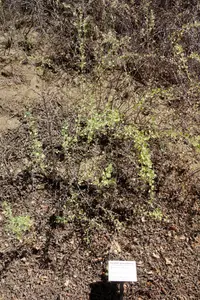
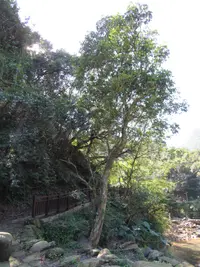
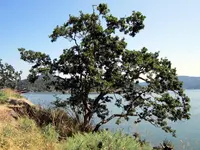
Oregon white oak (Quercus garryana) is a long-lived, deciduous tree known for its broad, rounded crown and deeply lobed, leathery leaves. It develops a thick, ridged trunk and strong branches that create a sturdy, sculptural form over time.

This species is native to the Pacific Northwest, where it grows in dry woodlands, prairies, and open hillsides. It is adapted to seasonal drought and nutrient-poor soils, which makes it relatively tough once established but slower to grow.

Understanding how to care for Oregon white oak starts with its preference for full sun, good air circulation, and well-drained, slightly dry to moderately moist soil.

Main Plant Requirements

Care Difficulty

Moderate Care

Light Preference

Full Sun

Water Requirements

Low Water

Temperature Preference

Cold Hardy

Hardiness Zone

6–9

Soil Texture

Sandy, Loamy, Rocky

Soil pH

Slightly acidic (6.5–7.0), Neutral (7.0)

Soil Drainage

Well-drained

Fertilization

Minimal (feed rarely)

Get Personalized Care Plan

Scan your plant to receive care tips personalized for your specific plant

Available on iOS and Android

How to Care for the Oregon white oak

This oak needs abundant direct light to develop a strong, balanced canopy.

  • Provide 6–10 hours of direct sun daily; full sun exposure suits Oregon white oak in most temperate climates.
  • Tolerates light or dappled shade, especially in the afternoon, but dense shade leads to thin growth, sparse foliage, and weaker branches.
  • For young trees, prioritize morning sun with some afternoon shade in very hot regions to reduce leaf scorch and drought stress during summer.

This species is drought-tolerant once established and prefers infrequent, deep watering.

  • During the first 2–3 years, water deeply when the top 5–8 cm of soil is dry, aiming for slow soaking rather than shallow sprinkling.
  • Ensure soil drains well; persistent puddling, algae, or sour smell around roots indicates overwatering and increased root-rot risk.
  • Mature Quercus garryana usually needs no supplemental water except in prolonged drought, when wilting, dull leaves, or early leaf drop signal the need for a deep soak.

This oak is adapted to temperate climates with cool, wet winters and warm, dry summers.

  • Best growth occurs around 60–80°F (16–27°C), typical of mild spring and early summer conditions in its native range.
  • Tolerates winter cold down to about 0°F (-18°C) once established, but young trees benefit from protection during hard freezes.
  • Handles dry summer heat up to about 95°F (35°C) if soil is not extremely compacted, though extended extreme heat can increase drought stress and leaf scorch.

This species is naturally adapted to relatively dry air and usually does not need humidity adjustment outdoors.

  • Target ambient humidity around 30–60% when grown near buildings or in urban gardens.
  • Plants tolerate dry air well, but prolonged hot, very dry winds can crisp leaf edges and increase premature leaf drop.
  • Provide a windbreak, deep soil watering, or light mulch rather than misters if foliage shows dryness stress.

Quercus garryana thrives in deep, well-structured mineral soils with efficient drainage.

  • Use a predominantly sandy or loamy mineral soil with only 10–20% compost to avoid excessive richness and water retention.
  • Aim for slightly acidic to slightly alkaline pH, roughly 6.0–7.5, which supports root health and nutrient uptake.
  • Ensure fast drainage by avoiding heavy clay; if unavoidable, incorporate coarse sand and fine gravel to improve aeration and percolation.
  • Avoid compacted, waterlogged, or highly fertilized soils, which increase risk of root rot and weak, overly lush growth.

This species is only moderately suitable for short- to medium-term container growing, mainly for young trees or bonsai-style training.

  • Choose a deep, heavy container to counter the developing taproot and keep the tree stable in wind as the canopy enlarges.
  • Use a gritty, mineral-based mix with low organic matter so the root zone dries predictably between thorough waterings.
  • Position the container where runoff can drain freely downslope, preventing standing water around the pot base that could saturate the root zone.

Mature Quercus garryana in the ground usually needs little fertilizer, but young or stressed trees benefit from light feeding.

  • Use a balanced slow-release fertilizer (for example 10-10-10) or well-rotted compost applied to the root zone in early spring.
  • Feed 1 time per year for landscape trees with poor soil; skip feeding on rich, undisturbed sites when caring for Oregon white oak.
  • Apply at half the label rate, keeping product off the trunk and visible surface roots to avoid burn.
  • Do not fertilize in late summer or fall, and avoid feeding entirely during winter dormancy.

Pruning Quercus garryana focuses on safety, structure, and long-term canopy health rather than cosmetic shaping.

  • Carry out main pruning in late winter to very early spring while the tree is dormant and leafless.
  • Remove dead, diseased, crossing, or storm-damaged branches using clean, sharp bypass pruners or a pruning saw.
  • Thin crowded interior branches conservatively to improve airflow and strong branch spacing without over-opening the canopy.
  • Make proper collar cuts just outside the branch collar and avoid topping, which weakens structure and invites decay.

Quercus garryana is usually grown in the ground, so guidance focuses on transplanting field or container-grown young trees.

  • Transplant during late fall or very early spring when soil is moist and the tree is dormant for lowest stress.
  • Look for dense circling roots at the container edge or stalled top growth as signs a nursery tree is ready to move.
  • Disturb roots as little as possible, loosening only tight circling roots, then plant at the same depth in a wide, unamended hole.
  • Water deeply after planting, mulch 5–8 cm away from the trunk, and keep soil evenly moist through the first 1–2 growing seasons.

Propagation of Quercus garryana is done mainly from seed and requires patience and suitable outdoor conditions.

  • Collect healthy, mature acorns in early fall and discard those that float in water tests, which often indicates emptiness or damage.
  • Provide cold stratification by storing acorns in moist substrate at 34–41°F for about 60–90 days to break dormancy.
  • Sow stratified acorns 2–3 cm deep in deep pots or nursery beds with well-drained soil and good rodent protection.
  • Keep soil slightly moist, avoid waterlogging, and grow seedlings in full sun to light shade until roots are strong enough for planting.

Established Quercus garryana trees are cold hardy in much of their native range and usually require minimal winter care.

  • Apply 5–8 cm of mulch over the root zone in late fall to moderate soil temperature and conserve moisture, keeping it off the trunk.
  • For young or container plants, shelter from drying winter winds and avoid waterlogged or frozen containers by ensuring good drainage.
  • Newly planted trees benefit from occasional winter checks to confirm soil is slightly moist, not saturated or bone-dry.

Care Tips

Root zone protection

Maintain a wide, undisturbed mulch ring out to at least 1.5–2x the canopy radius to protect surface feeder roots from soil compaction, lawn irrigation, and mechanical damage from mowers or string trimmers.

Summer drought adaptation

In regions with hot dry summers, reduce or eliminate irrigation after the first 2–3 establishment years so the tree develops deep, drought-adapted roots rather than shallow, dependency-forming ones.

Minimal understory planting

Keep turf and thirsty ornamentals out from under the canopy and plant only sparse, drought-tolerant natives so the oak does not compete for water and nutrients with dense, shallow-rooted groundcovers.

Cautious structural pruning

During the tree’s first 5–10 years, schedule light, infrequent structural pruning with clean cuts to remove tight branch crotches and rubbing branches, avoiding heavy thinning that increases sunscald and decay risk.

Soil disturbance avoidance

Plan paths, driveways, and construction to bypass the root zone, since even short-term vehicle parking or grade changes within the dripline can crush roots and significantly reduce long-term vigor when growing Oregon white oak.

Common Pests and Diseases

Oak powdery mildew

This disease causes a white, powdery coating on young Oregon white oak leaves, often leading to leaf distortion and reduced growth in shaded or crowded conditions.

Solution

Improve air circulation around the canopy by selective pruning, avoid overhead watering in the evening, and remove heavily infected leaves from young trees. For high-value specimens, a sulfur or potassium bicarbonate fungicide labeled for oaks can be applied early in the season when new leaves emerge, following label directions carefully.

Oak leaf blister

This disease produces raised, blister-like, pale green to yellow patches on leaves that later turn brown, which can give Oregon white oak foliage a puckered, distorted appearance.

Solution

Rake and dispose of fallen leaves in autumn to reduce overwintering spores and avoid unnecessary irrigation onto foliage. In landscapes where Quercus garryana care instructions focus on appearance, a preventive copper-based fungicide may be applied at bud break in early spring if leaf blister has been severe in previous years.

Oak anthracnose

This disease causes irregular brown blotches along leaf veins, leaf curling, and early defoliation, especially during cool, wet springs in native and urban stands.

Solution

Remove and discard fallen leaves and twigs to lower disease pressure and avoid frequent shallow watering that keeps foliage wet. Prune to open the canopy and, in severe recurring cases on young or stressed trees, consider a labeled fungicide applied just as buds open, coordinated with a certified arborist if the tree is large.

Oak gall wasps

These insects induce abnormal growths called galls on leaves, twigs, or small branches, which appear as bumps, balls, or spiky structures that can be numerous on Oregon white oak but rarely kill the tree.

Solution

Prune and destroy heavily infested twigs and branches during the dormant season and rake up and dispose of fallen galls to reduce emerging adults. Encourage natural predators by minimizing broad-spectrum insecticide use, and reserve targeted treatments to situations where repeated, heavy infestations are clearly weakening young trees.

Oak pit scale

These insects feed on twigs and small branches, forming crusty, pit-like patches on the bark that can lead to twig dieback and general decline in stressed trees.

Solution

Inspect twigs closely and prune out heavily infested sections, disposing of this material in the trash rather than compost. For lighter infestations, a dormant-season horticultural oil spray can smother overwintering scale, while maintaining tree vigor through proper watering and avoiding trunk or root damage helps the tree tolerate minor populations.

Interesting Facts

Pacific Northwest keystone

This oak is considered a keystone species in Pacific Northwest oak savannas, structurally shaping these ecosystems and providing habitat and food for many insects, birds, and mammals, including acorn woodpeckers and western gray squirrels.

Fire-adapted survival

Mature trees develop thick, furrowed bark and vigorous resprouting ability from the trunk and root crown, traits that allow them to survive and recover after low- to moderate-intensity fires that historically maintained open oak woodlands.

Acorns with slow cycles

Its acorns typically require 2 seasons to fully mature on the tree, and natural regeneration is often episodic, with strong seedling cohorts establishing mainly in years with favorable moisture and reduced competition from grasses and shrubs.

Botan icon

Did you know?

This species forms some of the oldest known broadleaf trees in western North America, with well-documented individuals in remnant oak woodlands exceeding 400 years of age and showing growth rings that record pre-European fire and climate history for the region.

FAQs about Oregon white oak

This species grows slowly, typically 15–30 cm per year once established. Growth is faster in deep, well-drained soils with full sun, and slower in compacted, shallow, or very dry sites.

Grow Healthy Plants with Botan Care

Keep your plants happy and healthy with plant identification, disease detection, and easy care guidance.

Botan plant care app — identify plants on mobile

Explore More Plants