Mono Maple Care (Acer pictum)

Also known as: Painted Maple
Mono Maple

About Mono Maple

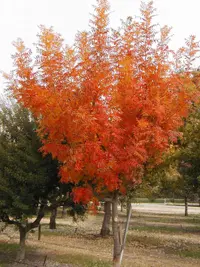
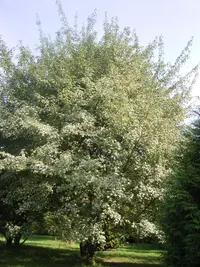
Mono maple, Acer pictum, is a deciduous tree valued for its balanced, rounded crown and attractive, hand-shaped leaves that turn warm colors in autumn. It is typically grown as a medium to large landscape tree rather than a container or indoor plant.

This species is native to East Asia, including Japan, Korea, and parts of China, where it grows in temperate woodlands and mountain forests. Its moderate growth rate and generally resilient nature make it manageable for gardeners familiar with basic tree care.

Mono maple prefers cool to mild climates, evenly moist but well-drained soil, and light ranging from partial shade to full sun. Understanding how to care for Mono Maple helps support healthy structure and long-term vigor in gardens and parks.

Main Plant Requirements

Care Difficulty

Moderate Care

Light Preference

Partial Shade

Water Requirements

Moderate Water

Temperature Preference

Cold Hardy

Hardiness Zone

5–8

Soil Texture

Loamy, Silty, Organic-rich

Soil pH

Acidic (5.5–6.5), Slightly acidic (6.5–7.0)

Soil Drainage

Moist but well-drained

Fertilization

Minimal (feed rarely)

Get Personalized Care Plan

Scan your plant to receive care tips personalized for your specific plant

Available on iOS and Android

How to Care for the Mono Maple

This maple prefers bright, gentle light that avoids harsh midday exposure.

  • Provide 4–6 hours of sun daily, with morning sun and afternoon dappled shade ideal for Acer pictum in most climates.
  • Site the tree where it receives partial shade, especially in hot summers, to limit leaf scorch from intense afternoon sun.
  • In cooler regions it tolerates more direct sun, but in warm areas protect Mono Maple with overhead or filtered light, particularly from late spring through summer.

This species needs consistently moist but not waterlogged soil to grow well.

  • Water when the top 3–5 cm of soil feels dry, soaking the root zone deeply, then let excess drain away to prevent root rot.
  • Increase watering frequency during hot, windy periods and the first 2–3 years after planting; reduce slightly in cool, rainy seasons once established.
  • Watch for drooping, dry leaf edges as a sign of underwatering, and yellowing leaves or soggy soil as signs that Acer pictum is receiving too much water.

This maple prefers temperate conditions with cool winters and mild to warm summers.

  • Active growth is strongest around 60–77°F (16–25°C), with stable moisture helping the tree handle normal temperature swings.
  • Mature trees typically tolerate winter lows near 0°F (−18°C) once established, but young plants benefit from mulch over the root zone to buffer freeze–thaw cycles.
  • Extended heat above 90°F (32°C) can stress foliage, so provide soil moisture and light afternoon shade, and avoid planting in heat-reflective sites.

This maple prefers moderately moist air but usually adapts to typical outdoor humidity levels.

  • Aim for 40–60% humidity to reduce leaf edge browning on sensitive young Mono Maple trees.
  • In very dry air, watch for crispy margins, dull color, or premature leaf drop as signs of humidity stress.
  • Increase humidity by mulching the root zone and grouping plants near other shrubs or trees rather than misting foliage.

This species grows best in deep, moist, well-drained soil with high organic content.

  • Use a loamy structure that combines mineral soil with plenty of composted organic matter to retain moisture without becoming heavy.
  • Ensure drainage is free by avoiding compacted clay; improve existing clay with coarse sand, compost, and fine bark to increase aeration.
  • Target a slightly acidic to neutral pH around 5.5–7.0 for Acer pictum to support balanced nutrient uptake and root health.
  • Avoid waterlogged, shallow, or extremely sandy substrates that dry out rapidly, as these conditions lead to weak growth and stress.

This maple can be grown in containers for several years, especially as a patio or terrace specimen.

  • Choose a wide, heavy container to stabilize the developing canopy and prevent the pot from tipping in strong winds.
  • Select thick-walled terracotta or similar materials if extra moisture loss is needed in wet climates to keep roots from staying saturated.
  • Use a deeper pot than a typical shrub container to accommodate its strong taproot tendency and reduce circling roots early on.

Acer pictum generally grows well in reasonably fertile soil and needs only modest supplemental feeding.

  • Apply a balanced slow-release fertilizer (for example NPK 10-10-10) once in early spring as new growth starts.
  • Alternatively, top-dress with a thin layer of well-rotted compost around the drip line, keeping it away from the trunk.
  • Use half-strength liquid feed for container-grown Mono Maple every 4–6 weeks in spring–summer, then stop feeding by late summer.
  • Avoid feeding in fall and winter, since the tree is dormant and excess nutrients can cause weak, frost-sensitive growth.

Pruning Acer pictum is mainly about maintaining structure and removing problem wood rather than heavy shaping.

  • Carry out light pruning in late winter to very early spring, before sap flow and bud break, to limit bleeding and stress.
  • Remove dead, diseased, crossing, or inward-growing branches first, using clean, sharp bypass pruners or a fine-toothed pruning saw.
  • Thin congested interior twigs carefully to improve light penetration and air movement while preserving the natural branching habit.
  • Limit major cuts to a few larger branches, as excessive removal can stress the tree and stimulate weak, upright water sprouts.

This maple is usually grown in the ground, so focus on careful transplanting rather than frequent container repotting.

  • Transplant young trees in late fall or very early spring when dormant, choosing a permanent site with enough space for mature size.
  • Look for signs like circling roots, water running off quickly, or stunted growth if Acer pictum is temporarily container-grown.
  • When planting out, dig a wide hole, gently tease or slice circling roots, and set the root flare level with the surrounding soil.
  • Water deeply after transplanting, apply a 5–8 cm mulch ring, and keep soil evenly moist for the first 1–2 growing seasons to reduce stress.

Propagation of Acer pictum is possible but slow and often used mainly by nurseries rather than casual gardeners.

  • Grow from seed sown in fall outdoors or after 2–3 months of cold stratification at about 34–41°F to break dormancy.
  • Use semi-hardwood cuttings in mid to late summer, with a rooting hormone and high humidity, though success rates can be low.
  • Layering young, flexible branches in spring, burying a wounded section in moist soil, often gives more reliable rooting than cuttings.
  • Provide bright indirect light, evenly moist but not waterlogged substrate, and avoid disturbance of young roots during the first year.

Established Acer pictum trees are generally cold hardy and need minimal winter care in most temperate climates.

  • Apply a 5–8 cm layer of mulch over the root zone in late fall, keeping it a few cm away from the trunk to prevent rot.
  • Young or recently transplanted trees benefit from burlap windbreaks or trunk wrapping in areas with harsh, drying winter winds.
  • Container-grown specimens should be moved into a sheltered, unheated but frost-free or slightly protected spot to prevent root freezing.

Care Tips

Protect young trunks

Install a white tree guard or wrap around young trunks from late fall to early spring to prevent sunscald and rodent damage, especially in open or south-facing sites.

Encourage strong branching

In the first 3–5 years, remove or shorten very narrow branch crotches and steep upright shoots to reduce the risk of future limb breakage and develop a well-spaced framework.

Mulch root zone

Maintain a 5–8 cm layer of shredded bark or leaf mold over the root zone, keeping it 5–10 cm away from the trunk, to buffer soil temperature and protect shallow feeder roots.

Monitor for leaf scorch

During hot, dry, or windy periods, check for browning at leaf edges and, if present, increase root-zone mulch and provide temporary wind protection rather than overwatering.

Plan for autumn color

Avoid heavy nitrogen feeding after midsummer and reduce pruning in late summer so shoots can harden properly, which supports better fall color when growing Mono Maple.

Common Pests and Diseases

Verticillium wilt

This disease is caused by soilborne fungi that invade the water-conducting tissues, leading to progressive wilting and dieback of branches, often on one side of the tree first. Symptoms include yellowing, marginal leaf scorch, and sudden collapse of affected shoots, especially in warm weather.

Solution

Prune out wilted or dieback branches well into healthy wood and dispose of them, sterilizing tools between cuts. Avoid planting Acer pictum on sites with a known history of Verticillium, keep the tree evenly watered and unstressed, and consider replacing severely affected specimens with more resistant species rather than trying to cure advanced infections.

Tar spot

This disease is caused by Rhytisma fungi that produce raised, black, tar-like spots on the upper surface of leaves after initial pale yellow spots. Symptoms include cosmetic leaf spotting, occasional early leaf drop, and reduced ornamental value, but little long-term harm to established trees.

Solution

Rake and destroy all fallen leaves in autumn to remove the main source of spores for the next season. In most gardens chemical treatment is unnecessary; instead, focus on sanitation and good spacing to promote airflow, which helps leaves dry faster after rain.

Leaf spot and blotch

This disease complex is caused by several fungi that create small brown to purplish spots or larger irregular blotches on leaves, sometimes with yellow halos. Symptoms include premature leaf yellowing and partial defoliation in wet seasons, especially on shaded, dense canopies.

Solution

Remove and discard heavily spotted fallen leaves and thin overcrowded branches to improve light and airflow through the canopy. Water at the root zone rather than over the crown, and in high-value plantings fungicidal sprays labeled for ornamental maples may be applied preventively at bud break and repeated as directed in prolonged wet periods.

Japanese maple scale

This pest is a small, armored scale insect that settles on branches and twigs, forming white to gray crusty patches that blend with bark. This pest feeds on sap, leading to thinning foliage, twig dieback, and increased vulnerability to other stresses.

Solution

Prune out heavily infested twigs and destroy them, then scrub remaining colonies gently with a soft brush where practical. For larger trees, apply horticultural oil during the crawler stage according to label directions and encourage natural predators by avoiding broad-spectrum insecticides.

Maple aphids

These insects cluster on the undersides of young leaves and shoots, sucking sap and producing sticky honeydew that can lead to sooty mold growth. Symptoms include distorted new growth, curled leaves, and a noticeable sticky coating on foliage, bark, or nearby surfaces.

Solution

Dislodge colonies with a firm jet of water from a hose, repeating as needed, and remove heavily infested soft shoots if practical. For persistent problems, use insecticidal soap or horticultural oil thoroughly on leaf undersides, and support natural enemies such as lady beetles by limiting use of non-selective insecticides.

Interesting Facts

Broad East Asian range

This species occurs naturally from Japan and Korea through parts of China and into the Russian Far East, mainly in cool-temperate mixed forests where summers are humid and winters cold.

Distinctive leaf variability

Its leaves are typically 5-lobed but show notable variation in size and lobe depth between individuals and populations, which has led to taxonomic confusion with related maples in the Acer mono complex.

Important canopy component

In many temperate forests of Japan and Korea, this maple forms part of the main tree canopy, contributing significantly to autumn leaf color displays and providing shade and habitat structure for understory plants and animals.

Botan icon

Did you know?

Acer pictum was long confused with several closely related East Asian maples and has a complex taxonomic history, with some botanists treating it as part of the Acer mono group and others recognizing multiple regional forms and subspecies within the species.

FAQs about Mono Maple

Growth is moderate. Young trees often add 20–40 cm per year in suitable conditions, slowing as they mature. Over time it can form a medium to large tree, typically 10–20 m tall with a broad crown.

Grow Healthy Plants with Botan Care

Keep your plants happy and healthy with plant identification, disease detection, and easy care guidance.

Botan plant care app — identify plants on mobile

Explore More Plants