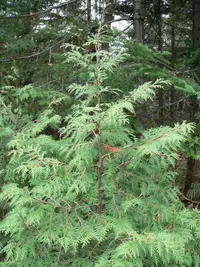





Best Soil for Arborvitae (Thuja occidentalis)

For Thuja occidentalis, the right soil texture, drainage, and pH support steady root growth and help maintain overall plant health.

Soil Texture

Sandy, Loamy, Clay

Soil pH

Acidic (5.5–6.5), Slightly acidic (6.5–7.0)

Soil Drainage

Moist but well-drained

Thuja occidentalis Soil Guide

Native to eastern North America, Thuja occidentalis grows in cool forests, swamps, and limestone areas where soil stays evenly moist but still has air around the roots. That background explains why Arborvitae soil should hold steady moisture without becoming dense and stagnant.

A loamy soil is often the best soil for Arborvitae, though sandy or clay-based ground can also work if it drains well and does not dry too fast. Its root system benefits from moisture retention, moderate aeration, and slightly acidic to acidic conditions that support steady root function.

A simple homemade blend can give Thuja occidentalis both steady moisture and better root-zone airflow in containers.

100% total mix = 20 scoops
15%
perlite or pumice3 scoops
20%
coarse sand4 scoops
25%
composted pine bark fines5 scoops
40%
high-quality all-purpose potting soil8 scoops

The finished mix should feel crumbly, slightly weighty, and open enough to drain thoroughly while still staying evenly damp between soakings.

A good target for Arborvitae is slightly acidic to acidic soil, around 5.5–7.0 pH. This range supports steady access to key nutrients, especially iron and manganese, while still allowing balanced uptake of others.

Thuja occidentalis is fairly adaptable within that window, but strongly alkaline soil can reduce nutrient availability over time. Keeping pH near the mildly acidic side usually supports the most reliable nutrient use.

Soil issues often show up gradually in this species, especially when root conditions stay too dense or oxygen-poor for long periods.

Compaction:

Compaction: hard, tight soil can limit root expansion and airflow, so gently loosen the surface and work in structure-improving material near the root zone.

Poor drainage:

Poor drainage: if the soil stays wet for too long after rain or watering, improve runoff and reduce trapped moisture around roots as a first step.

Dry pockets:

Dry pockets: some mixes shed water when they become too dry, so rewet slowly and evenly until the root area absorbs moisture again.

Salt buildup:

Salt buildup: a crust on the surface or pot rim can point to mineral accumulation, so flush the soil thoroughly and let excess drain away.

Scan for Better Soil

Botan helps match the plant to a more suitable soil setup by using photo ID and care guidance tailored to its growing conditions.

FAQ

Yes. A pot with enough depth helps support a broader, steadier root zone and more even moisture. Very shallow containers can dry faster and limit anchorage, even if the Arborvitae soil itself is suitable.

Everything About Arborvitae

More Plant Soil Guides

See If Soil Is the Issue

A photo check in Botan can help show whether soil conditions may be part of the problem and what to review next.

Botan app helping with soil and plant care
How To Revive a Dying Plant: 6 Steps To Bring A Plant Back To Life

6 min read · 1 Sept 2026

How To Revive a Dying Plant: 6 Steps To Bring A Plant Back To Life

Drooping leaves and brown tips don't always mean the end, and a weakened plant can often recover with a little help. These six simple steps will help you revive a dying plant and restore its health.

Plant Care
How To Revive a Dying Plant: 6 Steps To Bring A Plant Back To Life
Best Time to Mow Lawn – A Complete Guide

5 min read · 10 Aug 2026

Best Time to Mow Lawn – A Complete Guide

Explore when to mow your lawn for its health and a pleasant green color. Find out the best time for this task during the summer heat, and follow practical tips for correctly cutting the grass, and learn common mistakes to avoid.

Plant Care
Best Time to Mow Lawn – A Complete Guide
Banana Peel Water for Plants: 5 Things to Know Before Trying It

5 min read · 9 Jul 2026

Banana Peel Water for Plants: 5 Things to Know Before Trying It

Banana water can provide potassium and some nutrients that may support plant growth, but it is not a universal fix. Use it carefully and only when the plant actually shows signs of nutrient deficiency rather than as a routine treatment.

Plant Care
Banana Peel Water for Plants: 5 Things to Know Before Trying It