

Arborvitae (Thuja occidentalis) Light Needs

Arborvitae grows best in full sun, with at least 6 hours of direct sunlight on most days.

Light Preference

Full Sun

Thuja occidentalis Light Requirements

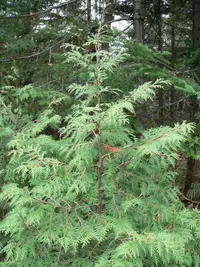
In its native range across eastern North America, this species grows in cold-temperate forests, wetlands, rocky slopes, and open edges. It may receive full sun in exposed sites or partial sun where nearby vegetation filters light.

Cultivated plants keep the densest growth when their foliage receives strong light from several sides. Shade reduces vigor and opens the habit. Preferred light is full sun.

  • Daily exposure:

    Arborvitae needs about 6–8 hours of full sun daily, including 6 or more hours of direct sun when possible.

  • Full sun tolerance:

    Established plants tolerate all-day direct sun when soil conditions and root space are suitable.

  • Partial sun limit:

    Partial sun is tolerated, but growth may become looser if direct light drops below about 4 hours.

  • Shade risk:

    Shade is not suitable for long-term density, especially on lower and interior foliage.

Excess light stress is most likely after sudden exposure, reflected heat, or harsh afternoon sun.

Sun-facing browning:

Outer sprays may turn tan or brown on the most exposed side while shaded interior growth stays greener.

Scorched tips:

Fine foliage tips can look dry and bronzed after a move from partial sun into full sun.

One-sided damage:

Plants near pale walls, pavement, or glass may show stronger stress on the reflective side.

Winter scorch:

Bright winter sun with frozen soil can leave exposed foliage bronzed or browned by spring.

Move containers into morning sun with light afternoon shade, or add temporary shade cloth for fixed plantings. Increase direct sun gradually over 1–2 weeks.

Low light usually shows as weak structure rather than sudden discoloration. Thuja occidentalis does not stay dense in shade.

  • Open habit:

    Branch sprays become spaced farther apart, giving the plant a thin or see-through look.

  • Leaning growth:

    New growth may angle toward the brightest side instead of filling evenly around the plant.

  • Sparse interior:

    Lower and inner foliage may thin when light cannot reach deep into the plant.

  • Small new growth:

    Fresh growth can be shorter and weaker during the active growing season.

Move container plants to a brighter outdoor site with more direct sun. For planted specimens, reduce nearby shade where practical rather than relying on indoor light.

Choose the brightest outdoor position available, aiming for at least 6 hours of direct sun. If full sun is not available, select morning sun plus open sky exposure over a deeply shaded site.

Trim or relocate nearby objects that cast midday shade when feasible. Rotate container-grown specimens every few weeks so all sides receive direct light.

Avoid placing this species under dense overhangs or between tall structures, because long shade produces thin, open growth.

Get Personalized Care Plan

Scan your plant to receive care tips personalized for your specific plant

FAQ

This plant grows best with about 6–8 hours of full sun per day. It can tolerate partial sun, but density and growth usually decline as direct light decreases.

Everything About Arborvitae

More Plant Light Guides

Get the Botan App

Discover how to care for your plants with Botan.

Botan app identifying a plant with a phone camera
How To Revive a Dying Plant: 6 Steps To Bring A Plant Back To Life

6 min read · 1 Sept 2026

How To Revive a Dying Plant: 6 Steps To Bring A Plant Back To Life

Drooping leaves and brown tips don't always mean the end, and a weakened plant can often recover with a little help. These six simple steps will help you revive a dying plant and restore its health.

Plant Care
How To Revive a Dying Plant: 6 Steps To Bring A Plant Back To Life
Best Bedroom Plants – Top 10 to Grow in Your Space

8 min read · 8 Jul 2026

Best Bedroom Plants – Top 10 to Grow in Your Space

Discover the top 10 houseplants that are suitable for growing in your bedroom. Compare their light and water needs, pet safety, and benefits. Find out where best to place greenery in your relaxation space and what species to avoid.

Plant Recommendations
Best Bedroom Plants – Top 10 to Grow in Your Space
Top 15 Plants That Don’t Need Sunlight

8 min read · 17 Sept 2026

Top 15 Plants That Don’t Need Sunlight

Some plants thrive in dim rooms, shaded corners, and places with indirect light. In this guide, you’ll explore the top 15 species best suited to low-light conditions and how to care for them.

Plant Recommendations
Top 15 Plants That Don’t Need Sunlight