


7 min read · 24 Aug 2026
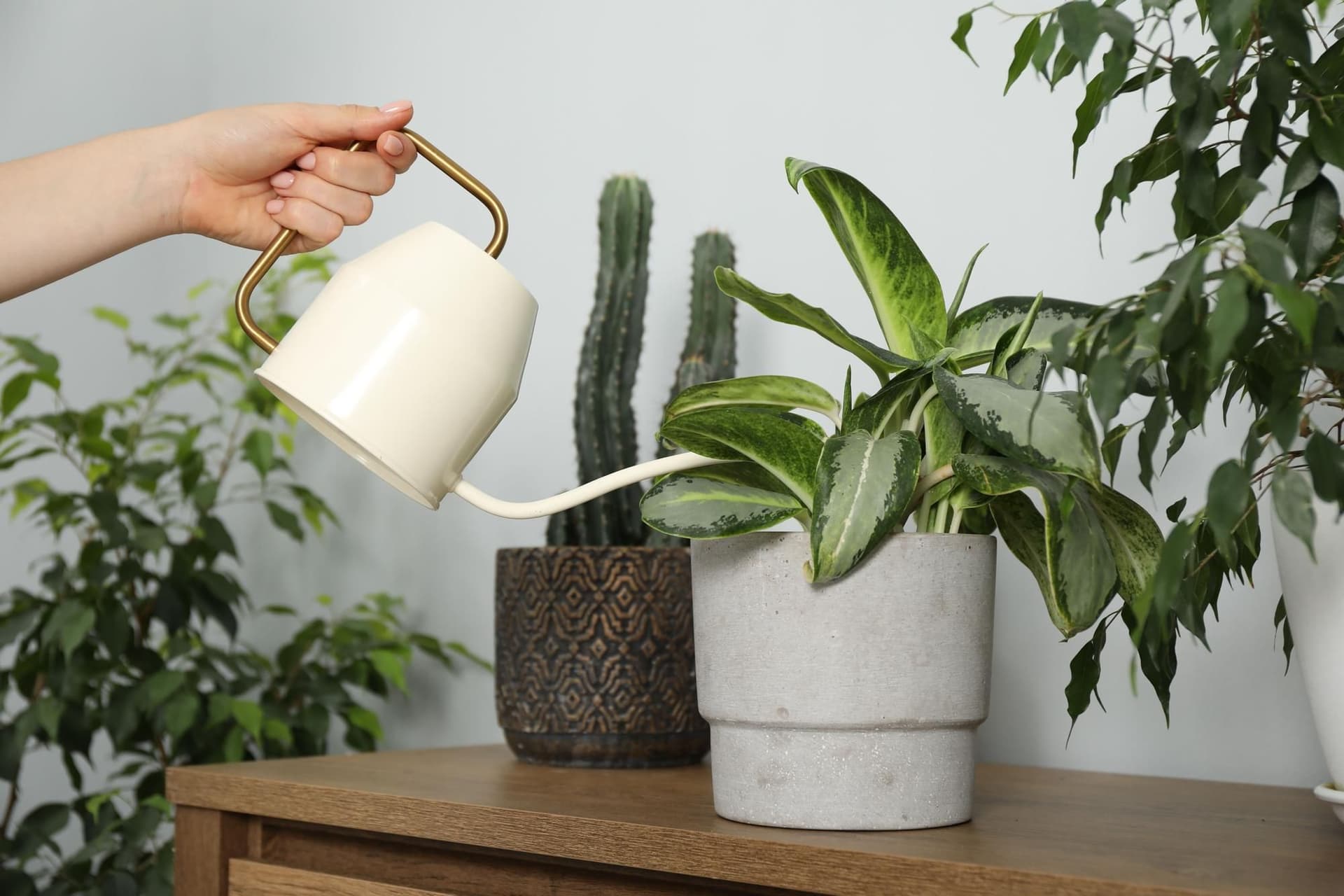
How to Water Houseplants: Watering Guide
Learn how often to water indoor plants, key factors for proper watering, and how to adjust the care routine by plant type, season, pot size, light, and indoor conditions.
Plant Care


Japanese aralia grows best in partial shade, with bright filtered light and only gentle direct sun.

Light Preference
Partial Shade
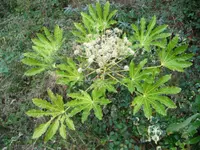
Japanese aralia is native to parts of Japan and nearby coastal East Asia, where it grows in mild, humid woodland edges and sheltered understory sites. Its broad leaves are adapted to filtered light rather than open, all-day sun. In cultivation, this means it can tolerate shade but usually looks fuller with steady brightness. Preferred light is partial shade or bright filtered light.
Japanese aralia needs about 6–8 hours of bright indirect or filtered light daily, including up to 1–2 hours of gentle direct morning sun.
Brief early sun is usually tolerated, but full sun and hot afternoon rays can scorch the broad leaves.
The plant can handle shade, though very dim rooms often lead to looser growth and smaller new leaves.
Morning sun is safer than afternoon sun because it is cooler and less likely to overheat foliage.
Indoors, Japanese aralia does best where light is bright but not harsh.
Use the brightest north-facing window available, and keep the plant close to the glass if growth becomes sparse.
Place it close to an east-facing window where it can receive soft morning sun and bright indirect light for the rest of the day.
Set it 4–8 ft from a south-facing window, or use a sheer curtain to prevent direct midday sun from hitting the leaves.
Keep it several feet from a west-facing window or filter the afternoon sun, which can be too intense through glass.
If the plant leans or new growth becomes smaller, shift it gradually to a brighter filtered position.
Fatsia japonica can show sun stress when light is too direct or too hot.
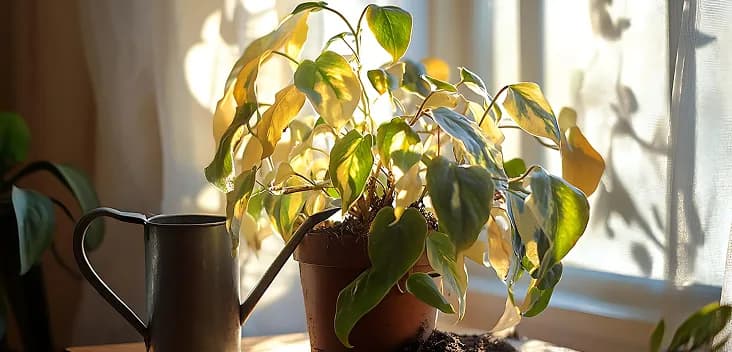
Leaves may develop pale, washed areas where direct rays hit the surface for too long.
Flat tan or brown patches can appear on the most exposed leaves after harsh sun.
The normally glossy foliage may look faded on the side facing strong light.
Leaves can sag during bright afternoon exposure, especially when sunlight is intensified by glass.
Move the plant out of direct afternoon sun and into filtered light. Keep damaged leaves only if they still support the plant, since scorched tissue will not turn green again.
Low light usually affects shape and growth before it causes obvious leaf damage in Fatsia japonica.
Stems may lengthen between leaf clusters, making the plant look open rather than full.
The canopy may angle strongly toward the nearest window as it searches for brighter exposure.
New leaves can emerge smaller than older leaves when light is too weak during active growth.
Variegated forms may show less contrast when they are kept in dim conditions for long periods.
Move the plant gradually into brighter filtered light rather than placing it in strong direct sun. A brighter north or east exposure is usually the safest improvement indoors.
If ideal filtered light is not available, choose the brightest spot that avoids harsh afternoon sun. Move the plant a few feet back from intense glass if leaf surfaces look pale or scorched.
Rotate the pot a quarter turn every 1–2 weeks to keep growth even. Use a sheer curtain where direct rays hit the leaves for more than a short morning period.
A dark corner far from any window is a poor setup because new growth is likely to become stretched and weak.
Light Care Advice
Learn what light your plant needs and avoid common lighting mistakes
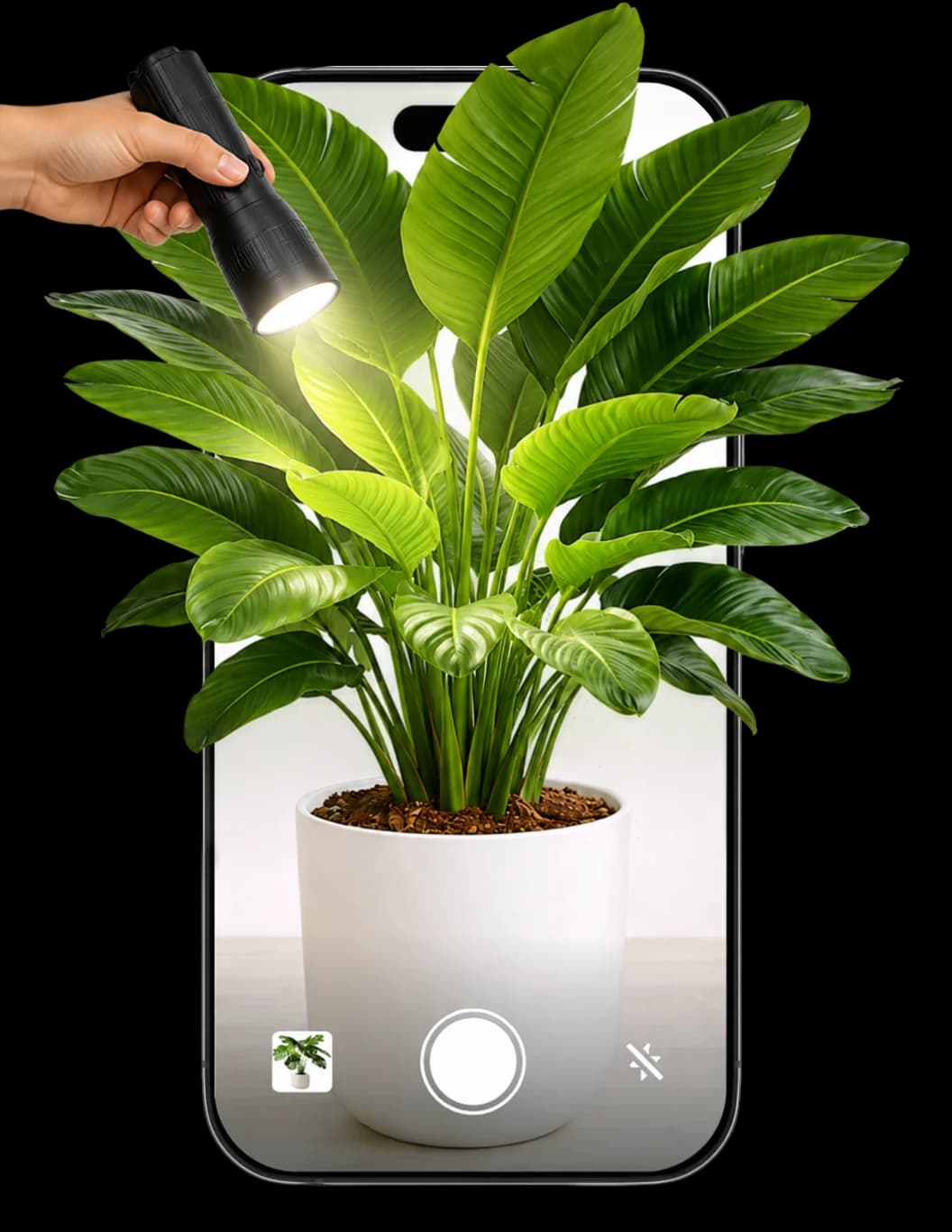
Scan your plant to receive care tips personalized for your specific plant
The best light for Japanese aralia is bright, indirect or filtered light, with limited gentle morning sun. It also tolerates shade, but growth is usually fuller with brighter filtered exposure.
Discover how to care for your plants with Botan.
7 min read · 24 Aug 2026
Learn how often to water indoor plants, key factors for proper watering, and how to adjust the care routine by plant type, season, pot size, light, and indoor conditions.
7 min read · 30 Jul 2026
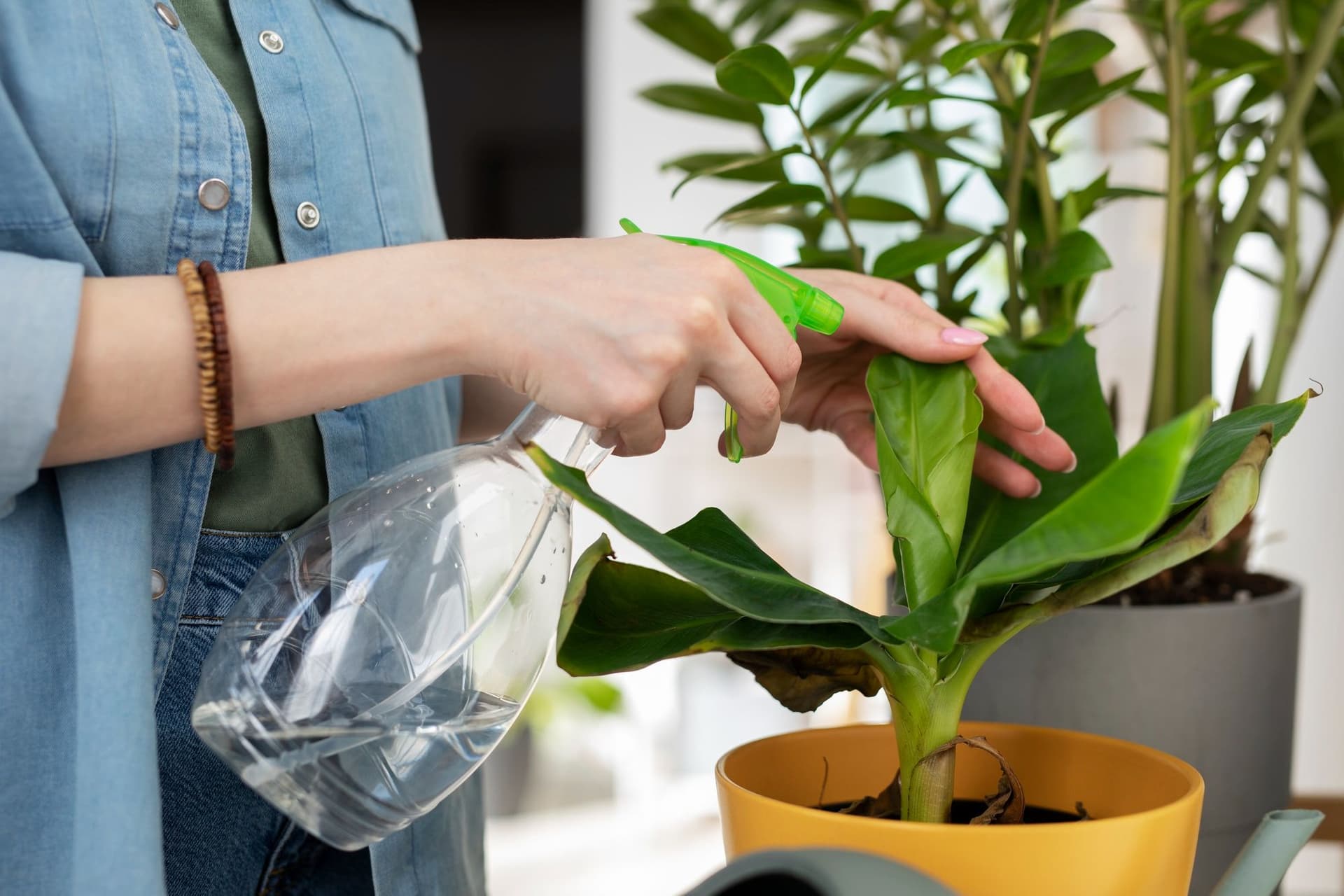
Find out when misting works well and when to avoid it. Here, you’ll find detailed information about compatible and incompatible species, tips on how often to mist plants and do it correctly, and some great alternatives for raising humidity.
10 min read · 7 Jul 2026
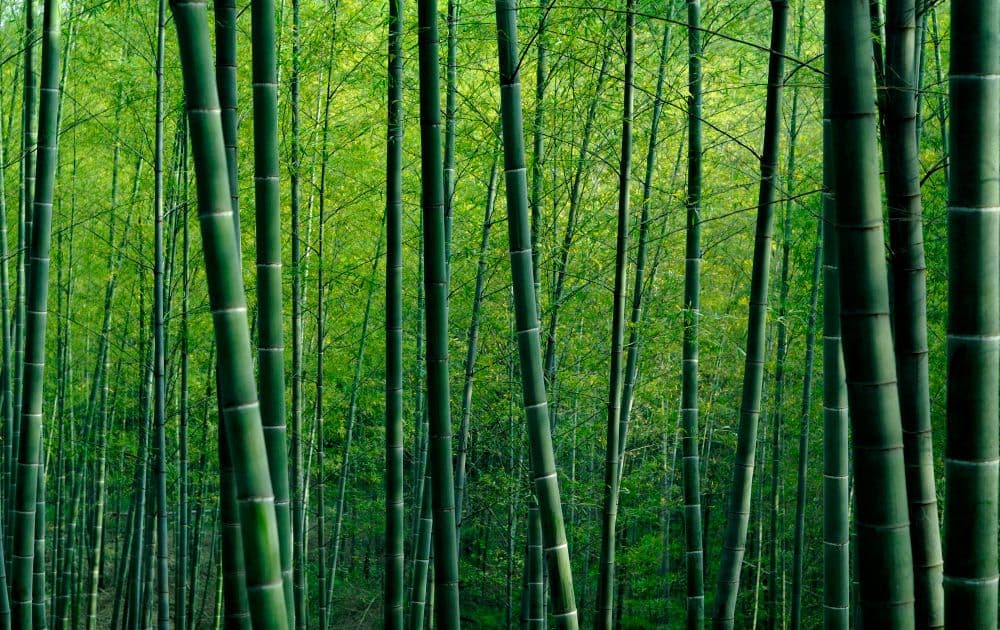
Bamboo grows extremely fast: some species can reach 5-6 m in just 3-4 months under the right conditions. This guide explains how much bamboo can grow per day, week, and year, and what affects its growth rate.