

Boxwood Identification (Buxus sempervirens)

To recognize Boxwood, look for a dense evergreen shrub or small tree with opposite, oval leaves about 1/2 to 1 1/4 inches (1.5 to 3 cm) long.

Leaves sit in pairs along short twigs, and older plants often show many smooth, pale gray stems from the base.

Buxus sempervirens Identification

Scan to Confirm Boxwood

Check your plant ID by uploading a clear photo to Botan.

Clear images work best. Avoid photos taken too close or too far away

Check the shrub’s dense twigging and small opposite leaves first.

  • Leaves are simple, oval to oblong, set in opposite pairs along the stem.
  • Most leaves are about 1/2-1 1/4 inches long (1.5-3 cm), with smooth edges and a rounded or slightly notched tip.
  • Foliage forms a tight, crowded outline, giving the plant a compact, finely textured look.
  • Twigs are slender and much branched, creating short spaces between leaf pairs.
  • Older stems become gray-brown and woody, often with many branchlets from the same framework.

If visible, the tiny greenish flowers sit close to the leaf bases rather than at shoot tips.

Buxus sempervirens shows a few visible stage changes that can aid identification.

  • Seedling: Seedlings carry opposite, rounded first leaves on thin green stems, with a sparse upright habit unlike the dense branching seen later.
  • Young plant: Young plants form many short twigs and a compact outline; leaves become thicker, evergreen, and typically about 1 inch (2.5 cm) long.
  • Mature plant: Mature plants develop a dense, woody framework and often a broad shrub or small tree form, reaching 6-15 feet (1.8-4.6 m) tall.
  • Fruiting stage: After flowering, small three-horned capsules appear among the leaves, adding a distinct fruit shape not present on nonfruiting branches.

Several Boxwood selections are easy to separate by leaf color, variegation, and growth habit.

  • Buxus sempervirens 'Suffruticosa': A dwarf, very dense form with small rounded leaves and slow growth, usually staying under 3 feet (0.9 m) tall for many years.
  • Buxus sempervirens 'Argenteovariegata': Leaves are edged or marked with creamy white, creating a clear variegated pattern unlike the solid green typical form.
  • Buxus sempervirens 'Aureovariegata': Foliage shows yellow to golden margins or blotches, especially on new growth, instead of uniform green leaves.
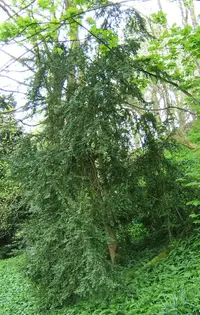
  • Buxus sempervirens 'Pendula': Branches arch and weep downward, giving the shrub a loose, cascading outline rather than an upright rounded one.

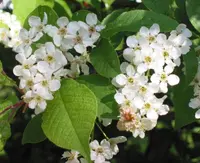
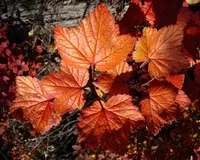
Buxus sempervirens stays leafy year-round, so winter does not reveal bare twigs. In cold weather, the foliage may shift from deep green to bronzy, olive, or yellow-green, which can be a useful winter clue. In spring, tiny pale yellow-green flowers appear in the leaf axils and are noticeable at close range. Small three-horned seed capsules may follow and split open later in the season.

Several evergreen shrubs can be mistaken for boxwood at a glance.

Japanese boxwood(Buxus microphylla)

Often sold for the same hedging use. It usually has smaller, rounder leaves, while Buxus sempervirens more often shows slightly larger, more elongated leaves.

box-leaved holly(Ilex crenata)

Its tiny evergreen leaves and dense habit cause frequent confusion. Holly leaves are alternate, not opposite, and many have a small pointed tip instead of the smoother, blunter boxwood leaf tip.

Japanese spindle(Euonymus japonicus)

Compact green forms can resemble a coarse boxwood. It has thicker, glossier leaves with clearer serrated edges, while boxwood leaves are smoother-edged and usually less shiny.

Buxus sempervirens is native to southern, western, and central Europe, northwest Africa, and southwest Asia. Its wild range includes limestone regions from the Mediterranean north into parts of temperate Europe. In nature it is found in woodland understories, scrub, and on rocky slopes, often on calcareous ground. This setting helps with identification because truly wild plants are most often associated with dry, stony, lime-rich habitats rather than wetlands or open grassland.

  • Ingestion risk: Buxus sempervirens is poisonous to humans and pets if eaten. The leaves and other plant parts contain toxic alkaloids, a group of naturally occurring compounds that can cause poisoning after ingestion.
  • Pet concern: Dogs, cats, and horses are at risk if they chew or eat the foliage. This is an ingestion hazard rather than a skin-contact issue.

Check Your Plant ID

Use Botan to identify or confirm it from a photo, which helps avoid mix-ups before you label, buy, or plant it.

FAQ

Yes. Buxus sempervirens identification usually relies on opposite, small, leathery evergreen leaves, smooth twiggy branching, and dense shrubby form. Leaves are typically oval, about 0.4 to 1.2 inches (1 to 3 cm) long.

More Plant Identification Guides

Identify Your Plant with Botan

Snap a photo to identify it, then get species-specific care information, safety notes, and common problems.

Botan app identifying a plant from a photo
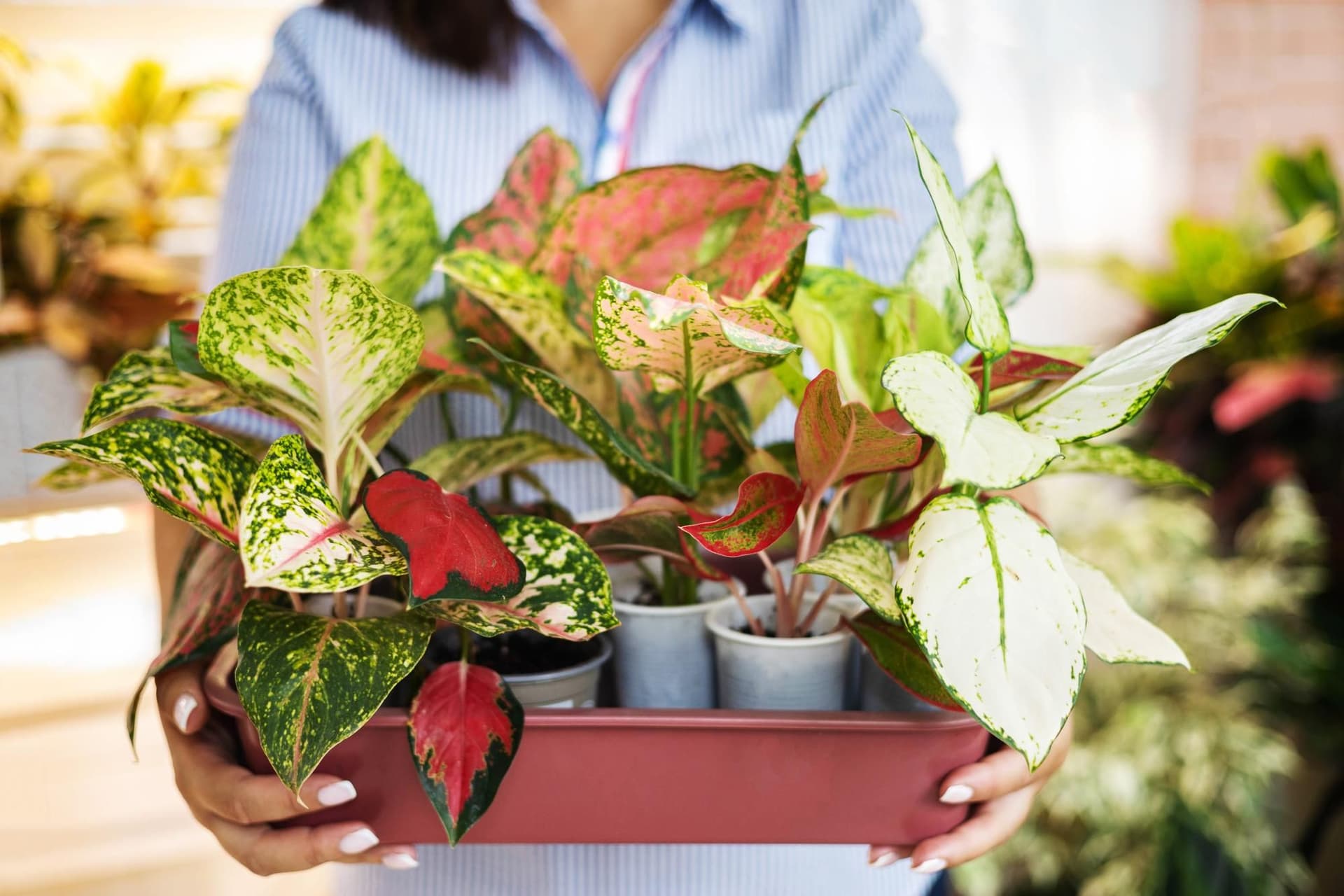
12 Most Wanted Rare Houseplants to Grow at Home

6 min read · 21 Sept 2026

12 Most Wanted Rare Houseplants to Grow at Home

Rare houseplants can turn an ordinary corner in your apartment into a living botanical collection. This guide covers 12 most admired picks, what makes them special, and how to grow them successfully at home.

Plant Recommendations
12 Most Wanted Rare Houseplants to Grow at Home
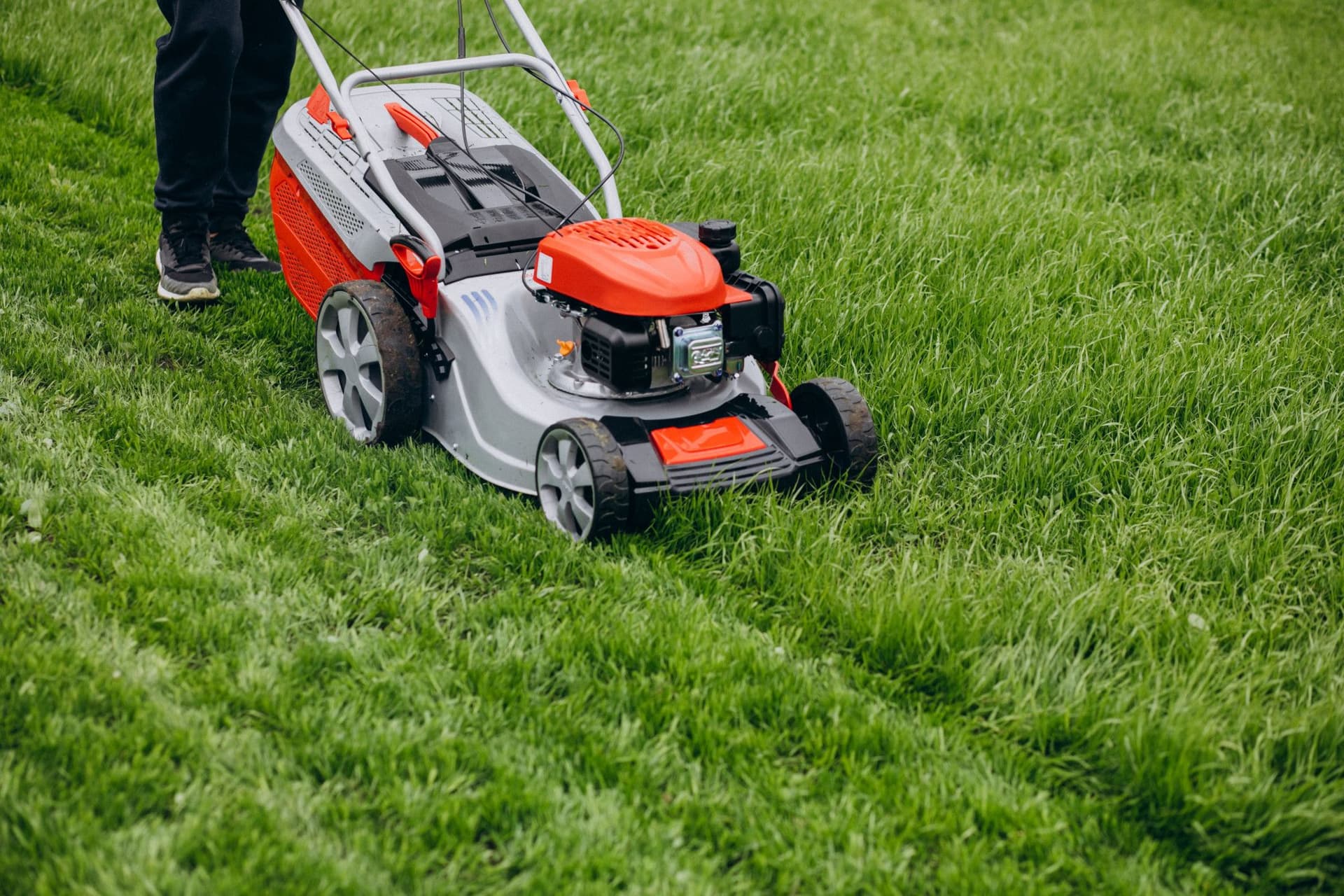
Best Time to Mow Lawn – A Complete Guide

5 min read · 10 Aug 2026

Best Time to Mow Lawn – A Complete Guide

Explore when to mow your lawn for its health and a pleasant green color. Find out the best time for this task during the summer heat, and follow practical tips for correctly cutting the grass, and learn common mistakes to avoid.

Plant Care
Best Time to Mow Lawn – A Complete Guide
Best Bedroom Plants – Top 10 to Grow in Your Space

8 min read · 8 Jul 2026

Best Bedroom Plants – Top 10 to Grow in Your Space

Discover the top 10 houseplants that are suitable for growing in your bedroom. Compare their light and water needs, pet safety, and benefits. Find out where best to place greenery in your relaxation space and what species to avoid.

Plant Recommendations
Best Bedroom Plants – Top 10 to Grow in Your Space