
sloe Identification (Prunus spinosa)

Recognize sloe by its dense, thorny thicket form, short side shoots that end in sharp spines, and small oval leaves set alternately along dark twigs.

It is usually a large shrub or small tree, often 6 to 12 feet (1.8 to 3.7 m) tall, with many stiff, branching stems from the base.

Prunus spinosa Identification

Identify Your Plant with Botan

Check your plant ID by uploading a clear photo to Botan.

Clear images work best. Avoid photos taken too close or too far away

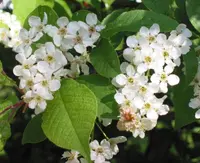
Check the thorny branching, small leaves, and simple white flowers of Prunus spinosa.

  • Dense, much-branched shrub or small tree, often forming a tight, twiggy outline.
  • Short, sharp side spines are common along the dark twigs.
  • Leaves are simple, oval to elliptic, finely toothed, and about 1-2 inches (3-5 cm) long.
  • Flowers are white with 5 petals, usually single or in pairs on bare-looking twigs.
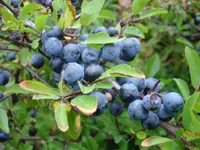
  • Fruits are round, blue-black drupes with a dull, whitish bloom, about 1/2 inch (1-1.5 cm) wide.

The combination of spines, 5-petaled white flowers, and bloom-covered dark fruits is especially useful.

Prunus spinosa shows distinct visual shifts from thorny juvenile shoots to flower and fruit display.

  • Juvenile plant: Young shoots form dense, twiggy growth with sharp side spines. Leaves are small, oval, and finely toothed, giving a compact, scrubby outline.
  • Mature plant: Older plants become a strongly branched shrub or small tree, often 6-12 feet (1.8-3.7 m) tall, with dark bark and many rigid thorn-tipped branchlets.
  • Flowering stage: Before much leaf expansion, branches are crowded with single white five-petaled flowers on short stalks, making the blackish thorny framework especially visible.
  • Fruiting stage: After flowering, rounded blue-black drupes about 1/2 inch (1.3 cm) wide hang along short twigs, standing out against the smaller leaves and thorny branchlets.

In early spring, sloe is often easiest to recognize when masses of small white flowers open on dark, thorny twigs before the leaves expand. That bare-branch flowering pattern is a strong field clue. By late summer into fall, round blue-black drupes with a pale, dusty bloom become visible. After leaf drop, the dense blackish branching and sharp spines stand out again through winter.

A few thorny hedgerow shrubs are regularly mistaken for sloe.

bullace(Prunus domestica subsp. insititia)

Often confused because both are thorny and bear dark plumlike fruit. Bullace usually has larger fruits, around 1-2 inches (2.5-5 cm) wide, and a less densely twiggy habit; blackthorn fruits are smaller and the branchlets form tighter, spiny thickets.

hawthorn(Crataegus monogyna)

Confusion happens in flower or hedge form. Hawthorn also has white spring flowers and thorns, but its leaves are clearly lobed, not simple oval leaves, and its fruits ripen red rather than blue-black.

Prunus spinosa is native to Europe, western Asia, and parts of northwest Africa. It is especially characteristic of hedgerows, scrub, woodland edges, chalk downs, and other open, often calcareous sites across the British Isles and much of continental Europe. That setting helps with identification because blackthorn is commonly found forming dense thickets at field margins and on sunny slopes, rather than deep inside forests or in wetlands. In its native range, that hedgerow and scrub habitat is a strong clue.

  • Seeds and leaves: The seeds inside the fruit, along with leaves and other tissues, contain cyanogenic compounds. Risk relates to ingestion by humans and pets, especially if seeds are chewed or crushed.
  • Thorns: Prunus spinosa has stiff, sharp spines on the stems. This is a physical injury risk from skin contact for humans and pets during handling or when growing along paths.

Check Your Plant ID

Use Botan to compare a photo and quickly identify or confirm the plant before you rely on the name.

FAQ

It bears sloes: small, round, blue-black drupes with a waxy bloom and a single hard stone. Fruits are usually about 0.4 to 0.6 inches (1 to 1.5 cm) wide and often remain after leaves color.

More Plant Identification Guides

Identify First. Learn What Comes Next.

Snap a photo with Botan to identify the plant, then get plant details, care information, and common problems.

Botan app identifying a plant from a photo
How to Clean Plant Leaves: A Simple Care Guide

6 min read · 4 Aug 2026

How to Clean Plant Leaves: A Simple Care Guide

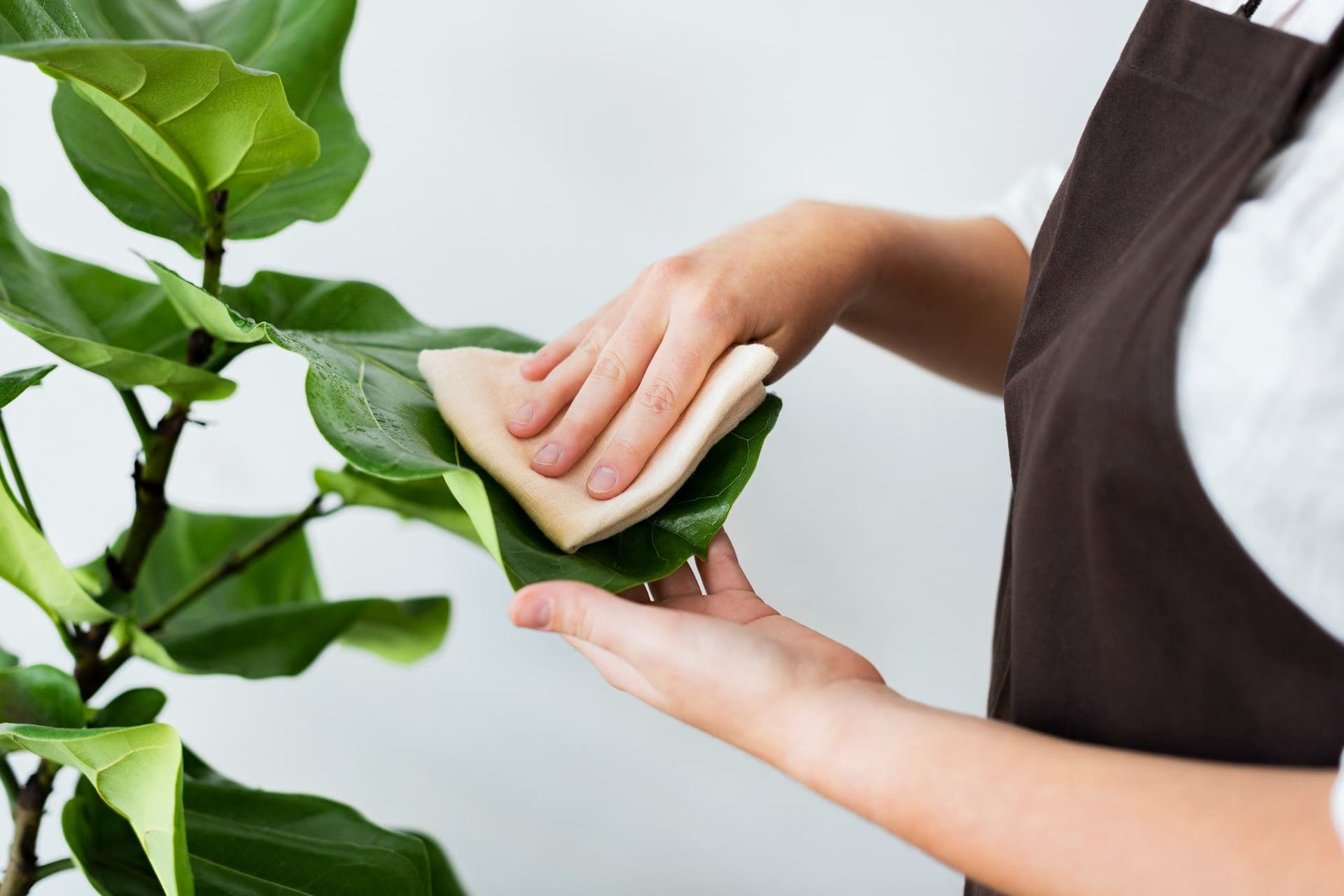
Dusty leaves look dull and don't absorb light well. Below, you'll find simple ways to clean them, which tools are truly effective, how often you should do it, and what causes damage.

Beginner Guides
How to Clean Plant Leaves: A Simple Care Guide
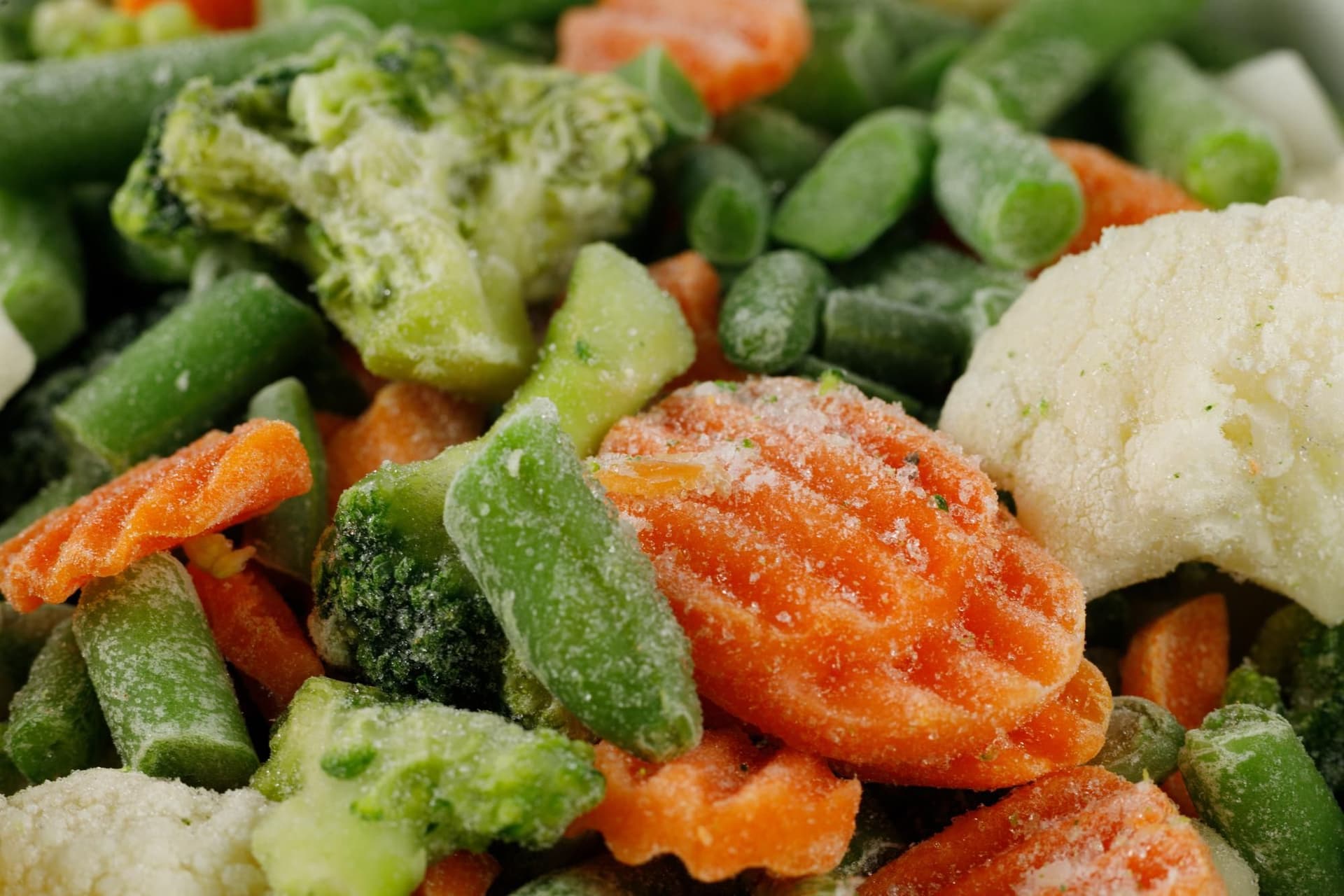
Frozen vs Fresh Vegetable Nutrients: Which Option Is Healthier?

6 min read · 8 Sept 2026

Frozen vs Fresh Vegetable Nutrients: Which Option Is Healthier?

Frozen and fresh vegetables are nutritionally comparable: frozen produce often retains vitamins just as well as fresh and may sometimes contain more. Here’s how blanching and storage affect nutrients—and when to choose each.

Plant Recommendations
Frozen vs Fresh Vegetable Nutrients: Which Option Is Healthier?
How to Winterize Your Garden in 6 Steps

5 min read · 28 Sept 2026

How to Winterize Your Garden in 6 Steps

Learn how to prepare your garden for winter with a practical six-step checklist covering cleanup, tender plant care, watering, mulching, winter protection, and winterizing equipment and containers.

Plant Care
How to Winterize Your Garden in 6 Steps