
winterberry Identification (Ilex verticillata)

To recognize winterberry, look for a multi-stemmed deciduous shrub with simple leaves arranged alternately along slender twigs. The leaves are oval to elliptic, usually 2 to 4 inches (5 to 10 cm) long, with fine toothed edges.

It typically forms an upright, rounded shrub about 6 to 10 feet (1.8 to 3 m) tall.

Ilex verticillata Identification

Is This winterberry?

Take or upload a photo to confirm your plant ID with Botan.

Clear images work best. Avoid photos taken too close or too far away

Check the shrub’s leaf placement, edges, and fruiting stems.

  • Leaves are simple and alternate, not opposite, along the twigs.
  • Leaf blades are oval to elliptic, about 1–3 inches (2.5–7.5 cm) long, with finely toothed margins.
  • Twigs are slender, and berries sit close along the stems rather than only at branch tips.
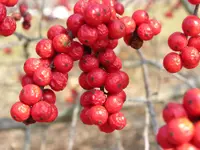
  • Fruits are round, bright red drupes, roughly 1/4 inch (6 mm) wide, often packed densely on bare-looking branchlets.

Dense red fruits lined along slender stems are one of the clearest visual clues.

Ilex verticillata shows clear visual shifts from young shoots to flower and fruit display.

  • Young plant: Young plants are narrow and upright, with slim green to brown stems and relatively simple branching; leaves appear thinner and smaller than on established shrubs.
  • Mature plant: Mature shrubs form a dense, many-stemmed framework, often 6-10 feet (1.8-3 m) tall, with broader spread and more twiggy side branching than younger plants.
  • Flowering stage: Flowers are small and borne in the leaf axils along twigs, adding visible clusters that interrupt the mainly leafy outline before fruit develops.
  • Fruiting stage: Fruiting branches carry many round red berries packed along bare-looking twigs, a strong visual shift from the subtler flowering stage and plain leafy growth.

Several winterberry selections are identifiable by fruit color, plant size, or branch habit.

  • 'Winter Gold': Berries ripen pinkish orange to apricot rather than the usual bright red, so fruit color is the clearest field mark.
  • 'Red Sprite': A dwarf female form, usually about 3 to 5 feet (0.9 to 1.5 m) tall, with a dense, rounded outline and heavy red fruit display.
  • 'Winter Red': Typically grows larger, often 6 to 8 feet (1.8 to 2.4 m) tall, and is noted for especially abundant, large bright red berries on upright branches.
  • 'Berry Heavy': Shows very dense fruit set, with red berries packed closely along the stems, giving branches a more crowded winter look than typical plants.

In spring, new leaves emerge bright green, and small greenish-white flowers become visible in late spring to early summer. The flowers are not showy, but they can help confirm the plant when seen close up. By late summer into fall, winterberry develops clusters of bright red berries. After leaf drop in fall, the berries often remain on bare stems into winter, creating one of the clearest identification features.

Several shrubs can be mistaken for winterberry at a glance.

Possumhaw(Ilex decidua)

Often confused because both are deciduous hollies with bright red berries on bare stems. Possumhaw usually becomes a small tree up to about 20 feet (6 m), while Ilex verticillata is usually a multi-stem shrub. Its leaves are also narrower.

Black alder(Ilex glabra)

Confusion happens when fruit is present, since both can bear dark berries and have simple alternate leaves. Black alder is evergreen, so leaves persist through winter, while Ilex verticillata drops its leaves before the berries fully stand out.

Ilex verticillata is native to eastern North America, from Atlantic Canada south through the eastern and southeastern United States and west into parts of the Great Lakes and inland Northeast. It is most often found in wetlands: bogs, swamps, wet thickets, pond edges, stream banks, and damp woodland margins. That setting is a useful clue. A wild holly growing in consistently wet ground in the eastern US is more likely to be Ilex verticillata than many other native hollies.

Ilex verticillata has a clear safety concern because its bright red berries are poisonous if eaten.

  • Berries and other parts: Ingestion is the main risk. The berries are the best-known hazard for humans and pets, and other holly parts can also be harmful if eaten.
  • Children and pets: The berries can attract children and dogs. This is an ingestion risk rather than a skin-contact problem.

Not Sure About the ID?

Use Botan to identify or confirm a plant from a photo, which helps avoid mix-ups before buying, planting, or labeling it.

FAQ

The quickest clue is its dense crop of bright red berries held on bare stems after leaf drop. This deciduous holly also lacks the thick, evergreen, spiny leaves many people expect, which helps with winterberry identification.

Everything About winterberry

More Plant Identification Guides

Identify It. Learn More About It.

Upload a photo to identify the plant, then review species-specific care information, safety notes, and common problems.

Botan app identifying a plant from a photo
When to Harvest Tomatillos: How to Tell When They're Ripe

4 min read · 20 Oct 2026

When to Harvest Tomatillos: How to Tell When They're Ripe

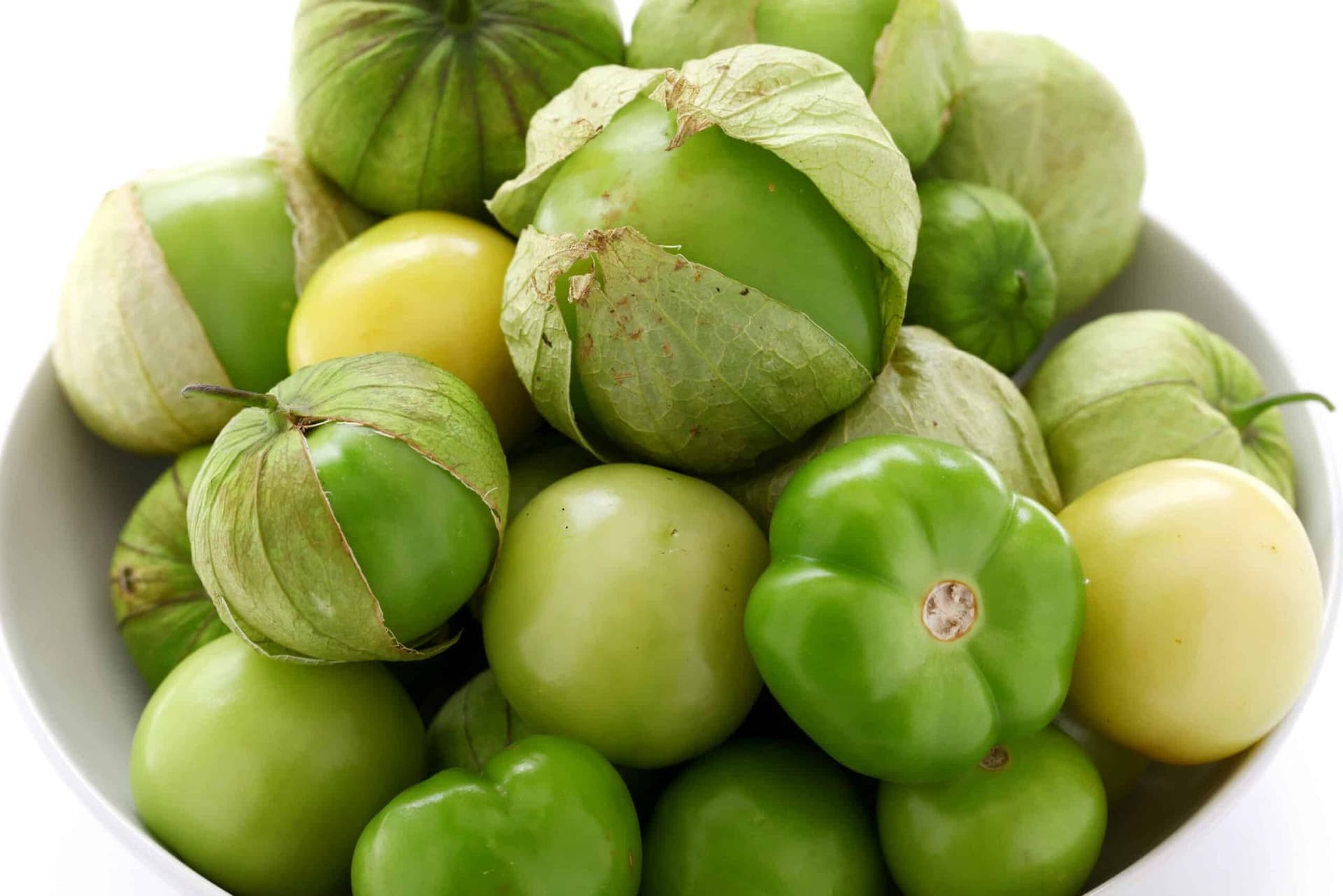
Tomatillos grow inside papery husks, making it hard to judge ripeness at a glance. This guide explains how to know when tomatillos are ripe and offers practical advice on harvesting and storage.

Plant Recommendations
When to Harvest Tomatillos: How to Tell When They're Ripe
How to Tell if a Plant Is Dead

6 min read · 19 Aug 2026

How to Tell if a Plant Is Dead

A plant can lose its leaves, stop growing, or collapse and still remain alive. A closer look at the stems, roots, bulbs, and tubers can show whether the plant still has a chance to recover.

Beginner Guides
How to Tell if a Plant Is Dead
12 Best Landscaping Trees for Your Garden

8 min read · 6 Oct 2026

12 Best Landscaping Trees for Your Garden

Choosing the landscape tree depends on what your garden needs most. These 12 options include compact flowering specimens, colorful deciduous trees, shade varieties, and evergreens suitable for screening and year-round structure.

Plant Recommendations
12 Best Landscaping Trees for Your Garden