Ensure Cross-Pollination
Plant at least 1 compatible male shrub within 15–50 ft of 3–6 females, matching bloom time (early, mid, or late) so flowers are pollinated and berry set is reliable.

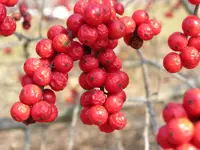
Winterberry, Ilex verticillata, is a deciduous holly shrub known for its bright red berries that remain on bare branches through winter. It brings strong seasonal color to gardens and natural areas.
This species is native to wet woods, swamps, and stream edges in eastern North America. It typically grows with a rounded, multi-stem form and dense branching.
Winterberry needs both male and female plants nearby for reliable berry production. Understanding this pollination requirement is important when you plan how to care for winterberry.
It generally prefers full sun to light shade, consistent moisture, and acidic, well-drained soil, which makes it a good fit for many temperate outdoor landscapes.

Care Difficulty
Moderate Care

Light Preference
Full Sun

Water Requirements
Regular Water

Temperature Preference
Cold Hardy

Hardiness Zone
3–9

Soil Texture
Loamy, Silty, Organic-rich

Soil pH
Strongly acidic (4.5–5.5), Acidic (5.5–6.5)

Soil Drainage
Moist but well-drained

Fertilization
Minimal (feed rarely)
Scan your plant to receive care tips personalized for your specific plant
Available on iOS and Android
Ilex verticillata thrives outdoors with ample light to support dense foliage and abundant berries.
This shrub prefers consistently moist soil and reacts quickly to long dry periods or standing water.
This species is a cold-hardy deciduous shrub adapted to temperate outdoor climates.
This shrub tolerates a wide humidity range and rarely needs special humidity management outdoors.
This species prefers consistently moist, organic-rich, acidic soil with structure that holds water yet still drains.
This species can be grown in containers outdoors with careful attention to root space and stability.
Ilex verticillata benefits from light, targeted feeding but grows well in reasonably fertile soil without heavy fertilization.
Pruning Ilex verticillata helps maintain structure, encourage berry production, and remove weak growth.
This shrub is usually grown in the ground, so care focuses on correct transplanting rather than frequent repotting.
Ilex verticillata is commonly propagated from semi-hardwood cuttings and stratified seeds, though rooting can be slow.
This shrub is cold hardy in much of its range and generally needs minimal winter care in the ground.

Plant Health Check
Not sure what's wrong with your plant? Check your plant's health inside the app.
Unlike many hollies, this species is fully deciduous and drops all its leaves in autumn, leaving the bright berries exposed on bare stems through winter.
Its fruits are relatively low in fat and can persist into late winter, providing an important late-season food source for birds that then disperse the seeds across wetlands and woodland edges.
This species is dioecious, meaning individual shrubs are either male or female, so a compatible male plant must be nearby for female plants to set the showy red fruit clusters.

This shrub is naturally adapted to cold, wet habitats such as bogs, swamps, and stream margins in eastern North America, and its root system tolerates seasonal flooding that would severely stress many other woody ornamentals.
Lack of berries usually comes from missing or incompatible male and female plants, or poor pollination. Flower buds also fail if pruning removes older wood. Ensure a compatible male nearby and limit heavy pruning to late winter.
Keep your plants happy and healthy with plant identification, disease detection, and easy care guidance.