Asian copperleaf Care (Acalypha australis)

Asian copperleaf

About Asian copperleaf

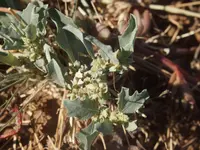
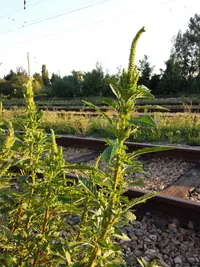
Asian copperleaf (Acalypha australis) is a low-growing annual herb in the spurge family, valued mainly as a small foliage plant. It forms loose clumps with slender, upright stems and simple green leaves, sometimes with a slightly bronzed tone, and fine, tassel-like flower spikes.

This species is native to East Asia and commonly appears as a weed in fields, roadsides, and disturbed ground. It tends to be easy to grow where conditions are warm and frost-free, especially in consistently moist, well-drained soil.

Light to partial shade and moderate moisture suit it best, which helps explain how to care for Asian copperleaf in gardens or informal plantings.

Main Plant Requirements

Care Difficulty

Moderate Care

Light Preference

Partial Sun

Water Requirements

Moderate Water

Temperature Preference

Warm Climate

Hardiness Zone

8–11

Soil Texture

Loamy, Silty, Organic-rich

Soil pH

Acidic (5.5–6.5), Slightly acidic (6.5–7.0)

Soil Drainage

Moist but well-drained

Fertilization

Minimal (feed rarely)

Get Personalized Care Plan

Scan your plant to receive care tips personalized for your specific plant

Available on iOS and Android

How to Care for the Asian copperleaf

This species prefers bright, gentle light rather than harsh, all‑day sun.

  • Provide 4–6 hours of morning sun with light shade or filtered light in the afternoon to prevent leaf scorch, especially in hot summers.
  • Tolerates partial shade, but stems may elongate and foliage color fade if light stays below roughly 3–4 hours of sun daily; Asian copperleaf looks fuller with more light.
  • In cooler seasons, allow more direct sun by thinning overhead cover; in hot climates, use dappled tree shade or a shade cloth of about 30–40% density.

Acalypha australis prefers consistently moist but not saturated soil.

  • Water when the top 2–3 cm of soil feel dry, using enough water to moisten the root zone, then let excess drain away to avoid standing water.
  • In spring and summer, expect more frequent watering during active growth and heat; in cooler or rainy seasons, extend intervals and rely more on natural rainfall.
  • Signs of overwatering include yellowing, soft stems, and a sour smell in the soil; curling, dry leaves and slow growth usually indicate underwatering or very dry soil.

This plant grows best in warm, frost‑free conditions typical of mild to hot summers.

  • Ideal growth occurs around 65–80°F (18–27°C), with steady warmth supporting dense foliage and faster recovery from pruning or transplanting.
  • Tolerates short periods up to about 90°F (32°C) if soil moisture is maintained and roots are mulched to reduce heat stress and moisture loss.
  • Minimum safe temperature is about 40°F (4°C); light frost can damage foliage, and repeated freezes can kill the plant, so protection is needed in colder regions.

This species prefers moderate humidity but adapts to typical indoor levels if not extremely dry.

  • Aim for 40–60% humidity for steady growth and minimal leaf edge browning on Asian copperleaf.
  • In very dry air, watch for crispy leaf tips and slowed growth as signs of humidity stress.
  • Increase humidity locally with a nearby pebble tray or grouped plants rather than misting heavily.

Acalypha australis prefers loose, well‑drained, moderately fertile soil that does not stay waterlogged.

  • Use a loamy mix with 40–60% organic matter such as compost plus mineral material like perlite or coarse sand for structure.
  • Ensure fast drainage so excess water runs through within seconds, preventing root rot and stagnant anaerobic conditions.
  • Keep soil slightly acidic to neutral, around pH 6.0–7.0, avoiding strongly alkaline substrates that can lock up nutrients.
  • Improve aeration in heavy soils by blending in extra perlite or fine bark, avoiding dense clay that compacts around roots.

This species grows reliably in containers when the pot supports its fibrous root system and spreading habit.

  • Choose a pot slightly wider than it is deep so the shallow, fibrous roots can occupy the full surface area evenly.
  • Use a container material with moderate breathability, such as unglazed clay, to reduce the risk of chronically wet mix after heavy watering.
  • Place outdoor containers where wind exposure is limited, as the relatively light top growth can cause unstable pots to tip over.

Acalypha australis benefits from light, consistent feeding during the main growing season.

  • Use a balanced liquid fertilizer (such as 10-10-10) at 1/2 strength every 4–6 weeks in spring and summer on moist soil.
  • In richer garden soil, compost or a thin organic mulch usually provides enough nutrients for Asian copperleaf.
  • For container plants, a slow-release balanced fertilizer can support steady growth without salt buildup.
  • Stop feeding in fall and winter to avoid weak, elongated growth during low-light, cool conditions.

Acalypha australis responds well to light structural pruning that maintains a compact, healthy form.

  • Plan main pruning for late winter or early spring before vigorous new growth starts.
  • Remove dead, diseased, or damaged stems first, then thin crowded shoots to improve air flow and light penetration.
  • Shorten overly long stems to shape the plant and encourage branching from lower nodes.
  • Use clean, sharp scissors or hand pruners, making angled cuts just above a leaf node to reduce dieback.

This species is usually grown in garden beds but can also adapt to containers with thoughtful transplanting.

  • Transplant in spring or early summer when temperatures are mild and soil is workable.
  • Look for crowded roots, roots circling the pot, or slowed growth as signs a container plant needs a larger pot.
  • Move up 1 pot size, gently loosen circling roots, and plant into a well-drained mix at the same soil depth.
  • Water thoroughly after transplanting, shade from intense sun for a few days, and avoid heavy fertilization until new growth appears.

Acalypha australis is commonly propagated from both seeds and soft stem cuttings.

  • Sow fresh seed in spring on a fine, well-drained seed mix, covering lightly and keeping at 68–75°F with even moisture.
  • Provide bright, indirect light and good air circulation to reduce damping-off, a fungal disease that kills seedlings.
  • For cuttings, take 7–10 cm non-flowering tips in late spring or summer and remove lower leaves.
  • Insert cuttings into moist, sterile medium, optionally with rooting hormone, and maintain high humidity until rooted.

This species has moderate cold tolerance but benefits from basic winter care in cooler regions.

  • In USDA zones near its hardiness limit, apply a 5–8 cm mulch layer over the root zone after the first light frost.
  • Avoid waterlogged soil in winter, which increases root rot risk in cold conditions.
  • For container-grown plants, move pots into a sheltered, frost-free but cool and bright area before hard freezes.
  • Delay cutting back stems until late winter so above-ground growth helps shield lower buds and crown tissue.

Care Tips

Prevent self-seeding

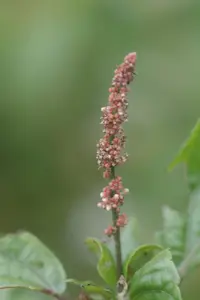
Deadhead or trim back spent flower spikes before seeds mature if you do not want this species to spread aggressively in beds or nearby pots.

Use temporary edging

In open ground, install shallow plastic or metal edging 10–15 cm deep around planting areas to limit root and seed spread into lawns or paths.

Thin dense patches

In late spring, thin crowded clumps by removing weaker plants so the remaining ones have better air circulation and less risk of foliar disease.

Monitor for allelopathy

Avoid planting directly under black walnut or other strongly allelopathic trees, as juglone and similar compounds can reduce vigor and cause uneven growth.

Time seasonal removal

In regions where it behaves as a weed, pull or hoe plants at the early flowering stage, before seed set, to reduce the seed bank and simplify caring for Asian copperleaf in future seasons.

Common Pests and Diseases

Spider mites

This pest feeds on leaf sap, causing fine stippling, pale patches, and occasional webbing on the undersides of leaves. Symptoms include slowed growth and dull, faded foliage, especially in hot, dry conditions.

Solution

Rinse foliage thoroughly with a strong but gentle stream of water, focusing on leaf undersides, and repeat every few days for 1–2 weeks. If populations persist, use insecticidal soap or a ready-to-use horticultural oil, and increase ambient humidity while avoiding waterlogged soil.

Aphids

These insects cluster on young stems and leaf undersides, sucking sap and excreting sticky honeydew that can lead to sooty mold growth. Symptoms include curling or distorted new leaves and reduced vigor.

Solution

Dislodge colonies with a firm water spray, then inspect and repeat as needed. For ongoing infestations, apply insecticidal soap to all green tissue, and remove heavily infested shoot tips to reduce populations and improve Acalypha australis plant care overall.

Leaf spot

This disease causes small brown to dark-purple spots that may enlarge, sometimes with a pale halo and occasional yellowing of surrounding tissue. Symptoms include premature leaf drop in warm, humid conditions or when foliage stays wet for long periods.

Solution

Remove and discard affected leaves and plant debris, and water at soil level to keep foliage dry. Improve spacing and airflow around plants; if spots continue to spread, use a copper-based or chlorothalonil fungicide labeled for ornamental foliage plants, following label directions carefully.

Powdery mildew

This disease appears as white to gray powdery patches on upper leaf surfaces, which can lead to yellowing and distorted foliage. Symptoms include reduced vigor and a dull, chalky look to affected leaves, often in crowded or poorly ventilated plantings.

Solution

Prune to open the plant canopy and remove heavily affected leaves to reduce spore levels. Avoid overhead watering, and if needed apply a sulfur or potassium bicarbonate fungicide labeled for ornamentals, treating both leaf surfaces and repeating at the interval recommended on the product label.

Interesting Facts

East Asian annual weed

This species is a small annual herb native to East Asia and is commonly found as a ruderal weed in crop fields, roadsides, and disturbed soils, especially in China, Japan, and Korea.

Distinctive flower spikes

The plant produces slender, upright spikes with many tiny unisexual flowers; male flowers typically occur toward the top of the spike, while female flowers are found lower down, a pattern that is characteristic for this species in the genus Acalypha.

Preference for fertile soils

In agricultural and natural surveys, this species is repeatedly recorded on moist, nitrogen-rich, loamy soils, which helps explain its frequent occurrence in intensively farmed areas and vegetable plots.

FAQs about Asian copperleaf

This species can self-seed and form loose patches, but it is usually not aggressively rhizomatous. In managed beds, regular weeding and removing seed heads before they drop prevents it from becoming a nuisance or outcompeting delicate neighbors.

Grow Healthy Plants with Botan Care

Keep your plants happy and healthy with plant identification, disease detection, and easy care guidance.

Botan plant care app — identify plants on mobile

Explore More Plants