Pachyphytum kimnachii Care

Pachyphytum kimnachii

About Pachyphytum kimnachii

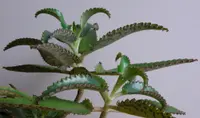
Pachyphytum kimnachii is a compact, rosette-forming succulent with plump, elongated leaves that often show a powdery, bluish or greenish coating. The leaves store water, giving the plant a thick, sculptural look.

This species is native to arid regions of Mexico, where it grows in rocky, well-drained habitats with strong light and low rainfall. Its drought tolerance and slow, tidy growth habit make it suitable for windowsills, containers, and succulent arrangements.

In general, it prefers bright light, minimal watering, and gritty, free-draining soil. These traits make it relatively easy to care for Pachyphytum kimnachii, provided it is protected from prolonged cold and excess moisture around the roots.

Main Plant Requirements

Care Difficulty

Easy Care

Light Preference

Full Sun

Water Requirements

Low Water

Temperature Preference

Tropical / Frost Sensitive

Hardiness Zone

10–11

Soil Texture

Sandy, Loamy, Rocky

Soil pH

Slightly acidic (6.5–7.0), Neutral (7.0)

Soil Drainage

Well-drained

Fertilization

Minimal (feed rarely)

Get Personalized Care Plan

Scan your plant to receive care tips personalized for your specific plant

Available on iOS and Android

How to Care for the Pachyphytum kimnachii

This succulent prefers bright, direct sun but needs gradual adaptation to strong exposure.

  • Provide 4–6 hours of direct morning sun plus bright light the rest of the day; afternoon sun is fine in mild climates if introduced slowly.
  • In very hot summers, give Pachyphytum kimnachii light shade or filtered sun from about 1–4 p.m. to prevent leaf scorch and wrinkling.
  • Watch for signs: stretched, pale growth indicates too little light, while brown, crispy patches on the upper leaves point to excessive sun intensity.

This species stores water in its leaves and needs infrequent, measured watering.

  • Water only when the top 3–5 cm of soil are completely dry; in active growth this may be every 10–21 days depending on heat and wind.
  • Use fast-draining, gritty soil so water runs through in seconds and no water collects around the roots after 10–15 minutes.
  • Reduce watering in cool months, watching for soft, translucent leaves from overwatering or deep wrinkling and leaf drop from prolonged dryness.

This succulent prefers warm, dry conditions and is sensitive to hard frost.

  • Aim for 65–80°F (18–27°C) for steady growth, with good airflow to reduce fungal issues and heat stress.
  • Protect from frost; brief dips to 32°F (0°C) may scar tissue, while prolonged exposure below 28°F (-2°C) can kill stems and roots.
  • In hot spells above 95°F (35°C), provide light shade and avoid overhead watering in full sun to limit sunburn and sudden temperature shock.

This succulent prefers dry air and typical indoor humidity, so humidity control is rarely necessary.

This species needs a very fast-draining, mineral-heavy substrate to prevent root and stem rot.

  • Use a gritty, sandy mix made from roughly 50–70% inorganic material such as pumice, coarse perlite, or 3–5 mm gravel with the rest lean cactus mix.
  • Aim for a slightly acidic to neutral pH around 6.0–7.0, avoiding peat-heavy mixes that compact and hold excessive moisture around the roots.
  • Ensure the mix feels loose and crumbly, so water runs through in seconds and the pot dries within 2–4 days in typical indoor conditions.
  • Avoid dense loam, clay, or fine compost; if a commercial cactus mix still dries slowly, lighten it further with additional pumice or coarse perlite.

This species is very suitable for container growing, including small patio pots and dish gardens.

  • Choose a wide, shallow pot that matches its spreading rosette habit, so roots fill the space without leaving a large, wet soil mass underneath.
  • Favor unglazed terracotta or clay if extra evaporation is needed, since these materials pull moisture from the mix and reduce rot risk.
  • Secure top-heavy or trailing stems by using a low, stable pot and placing heavier gravel on the soil surface to improve balance outdoors.

Light feeding supports compact, healthy growth in Pachyphytum kimnachii without forcing soft, weak tissue.

  • Use a dilute balanced liquid fertilizer (around 10-10-10 or 20-20-20 at 1/4 strength) formulated for succulents.
  • Feed once every 4–6 weeks during active growth in spring and summer on already-moist soil.
  • Avoid organic compost or rich slow-release products that hold excess moisture around roots.
  • Stop feeding in fall and winter, when growth slows and the plant rests.

Pruning Pachyphytum kimnachii is mainly corrective, helping maintain shape and plant health.

  • Best time is late winter to early spring, just before active growth resumes.
  • Remove dead, shriveled, or damaged leaves by gently twisting them off at the base.
  • Trim stretched, leggy stems with clean, sharp scissors or snips to encourage branching and denser growth.
  • Disinfect tools before use to reduce the risk of transmitting fungal or bacterial problems.

Container-grown Pachyphytum kimnachii benefits from occasional repotting into fresh, free-draining mix.

  • Repot every 2–3 years or when roots circle the pot, drainage slows, or growth becomes weak.
  • Aim for late winter to early spring so roots can recover as growth restarts.
  • Choose a pot just 1–2 in wider with large drainage holes and a gritty cactus/succulent mix.
  • Handle roots gently, allow any broken roots to dry briefly, then water lightly after 3–5 days to limit stress.

Propagation of Pachyphytum kimnachii is commonly done from leaves or stem cuttings under warm, bright conditions.

  • Take healthy leaves or 5–8 cm stem cuttings in spring or early summer.
  • Let cut surfaces callus for 2–5 days in a dry, shaded place to reduce rot risk.
  • Set callused parts on or in barely moist, gritty succulent mix with bright, indirect light.
  • Keep temperatures around 70–80°F and moisture minimal until roots and new rosettes form.

Winter care for Pachyphytum kimnachii focuses on keeping it cool, dry, and frost free.

  • Treat it as frost sensitive; aim to keep temperatures above 35–40°F.
  • Move containers indoors or into an unheated, bright porch before the first freeze.
  • Provide as much light as possible and reduce watering significantly to avoid root rot.
  • Avoid cold drafts, wet soil, and contact between leaves and icy window glass.

Care Tips

Drying after rain

If kept outdoors, tip containers slightly after heavy rain so excess water drains fully and the rosette does not sit wet, which helps prevent leaf rot and fungal spotting on the lower leaves.

Bottom leaf hygiene

Every few months, gently remove fully dried, shriveled basal leaves by hand to improve air movement around the stem and reduce hiding places for mealybugs and other pests.

Callus before repotting

When a stem breaks or you take cuttings, allow the cut surface to dry and form a firm callus for 3–7 days before planting, which greatly reduces the chance of rot in this thick-leaved succulent.

Pebble top-dressing

Apply a thin layer of inorganic gravel or pumice on the soil surface to keep leaves from resting on damp mix, stabilize the plant, and reduce soil splash that can mark the glaucous leaf coating.

Cool-season adjustment

In late fall and winter, move the plant to the brightest available spot and reduce disturbance, as this species often grows more actively in cooler, bright conditions and responds poorly to frequent repositioning during that period when caring for Pachyphytum kimnachii.

Common Pests and Diseases

Mealybugs

This pest commonly hides in leaf axils and between tightly packed leaves, sucking sap and causing wrinkling and slow growth. Symptoms include white cottony clusters on stems and at the base of the fleshy leaves.

Solution

Isolate the plant, then remove visible insects with a cotton swab dipped in 70% isopropyl alcohol and gently wipe leaf bases and crevices. For heavier infestations, repeat alcohol swabs weekly and use a ready-to-use insecticidal soap spray, keeping the plant in bright, airy conditions and avoiding overhead watering on the rosettes.

Soft scale

These insects attach to stems and the underside of older leaves, appearing as small, tan to brown bumps that excrete sticky honeydew. Symptoms include sooty mold growth on the honeydew and a gradual decline in vigor.

Solution

Manually scrape or wipe off scales with a soft cloth or cotton swab dipped in 70% isopropyl alcohol, focusing on stems and leaf undersides. Follow up with 2–3 applications of horticultural oil or insecticidal soap at 7–10 day intervals, keeping the plant in good light so the fleshy leaves dry quickly after treatment to avoid damage.

Fungal leaf spots

This disease is encouraged by excess humidity around the rosettes and water sitting on the leaves, leading to small, dark, sunken lesions. Symptoms include localized spots that may coalesce and cause scarring on the thick foliage.

Solution

Remove affected leaves to reduce spore load and improve air circulation by spacing plants and providing a fan or open window airflow. Avoid wetting leaves, water only the soil in the morning, and in persistent cases apply a sulfur-based or copper fungicide labeled for succulents, following directions carefully.

Edema

This physiological disorder occurs when roots absorb water faster than the leaves can transpire, causing blisters or corky patches on the swollen leaves. Symptoms include rough, tan or brown raised spots that are cosmetic but permanent.

Solution

Reduce watering frequency, especially in cool or low-light conditions, and always allow the soil to dry well between waterings, which is essential in Pachyphytum kimnachii care. Improve light levels and airflow so excess moisture leaves the leaf surface and potting mix more quickly.

Interesting Facts

Distinctive leaf farina

The leaves are covered in a thick, whitish epicuticular wax called farina, which protects the tissues from intense sun and reduces water loss in its native arid habitats of central Mexico.

Pendant rosette habit

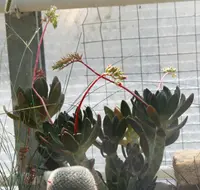
Unlike many compact Pachyphytum species, this plant often develops trailing, arching stems with elongated rosettes that can hang over rocks or pot edges, an adaptation that helps prevent water from pooling in the rosette center.

Seasonal flowering pattern

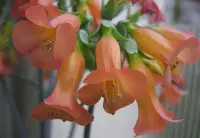
It produces slender, arching flower stalks bearing tubular, reddish to orange flowers with contrasting petals, typically blooming in late winter to spring in response to a cool, dry rest period followed by increased light and warmth.

FAQs about Pachyphytum kimnachii

Leggy growth usually develops when light is too low or coming strongly from one side. Stems stretch toward the light and internodes lengthen. Rotate the pot regularly and provide brighter exposure to maintain a tighter, compact rosette form.

Grow Healthy Plants with Botan Care

Keep your plants happy and healthy with plant identification, disease detection, and easy care guidance.

Botan plant care app — identify plants on mobile

Explore More Plants