Euphorbia heterochroma Care

Euphorbia heterochroma

About Euphorbia heterochroma

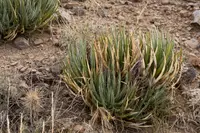
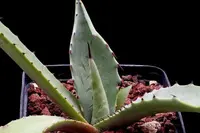
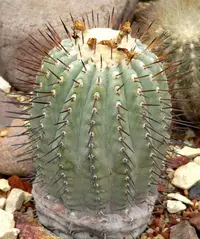
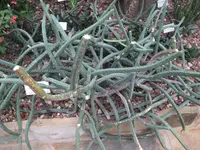
Euphorbia heterochroma is a small, shrubby succulent from arid regions of Madagascar, adapted to strong sun and seasonal drought. It typically forms branching, upright stems with sparse leaves and small, cup-like floral structures typical of Euphorbia species.

The plant is grown mainly for its architectural form and contrasting stem colors, which can deepen with higher light. Its drought tolerance makes it suitable for experienced succulent collectors and for growers who water carefully.

It prefers very free-draining, mineral-rich soil and a bright, warm position with good airflow. Understanding how to care for Euphorbia heterochroma begins with avoiding excess moisture and providing plenty of light.

Main Plant Requirements

Care Difficulty

Moderate Care

Light Preference

Full Sun

Water Requirements

Low Water

Temperature Preference

Warm Climate

Hardiness Zone

10–12

Soil Texture

Sandy, Loamy, Rocky

Soil pH

Slightly acidic (6.5–7.0), Neutral (7.0)

Soil Drainage

Well-drained

Fertilization

Minimal (feed rarely)

Get Personalized Care Plan

Scan your plant to receive care tips personalized for your specific plant

Available on iOS and Android

How to Care for the Euphorbia heterochroma

This succulent prefers bright, dry conditions with strong but not scorching sun exposure.

  • Provide 4–6 hours of direct morning sun with bright, filtered light the rest of the day to support compact, colorful growth in Euphorbia heterochroma.
  • Allow light afternoon sun only in mild climates; in hot regions, protect from harsh sun between 11 a.m. and 3 p.m. to prevent stem scorch and bleaching.
  • In winter, move plants to the brightest possible spot and avoid deep shade, which leads to weak, stretched growth and reduced vigor.

This species stores water in its tissues and needs a thorough dry-out between waterings.

  • Water only when the top 3–5 cm of soil are completely dry; in active growth, this may mean deep watering every 10–21 days depending on climate and soil.
  • Use a very fast-draining, gritty mix so water runs through within seconds, reducing root rot risk in Euphorbia heterochroma.
  • In winter or cool spells, reduce watering sharply, watching for slight stem wrinkling as a sign of thirst and avoiding soft, yellowing tissue that indicates overwatering.

This plant prefers warm, dry air and does poorly in cold, damp conditions.

  • Aim for 70–85°F (21–29°C) during the growing season; growth slows noticeably below about 60°F (16°C).
  • Protect from temperatures below 40°F (4°C); prolonged exposure near freezing and any frost can cause tissue damage or death.
  • In hot spells above 95°F (35°C), increase airflow and provide light shade during the hottest hours to limit heat stress and sunburn.

This species tolerates typical indoor humidity and does not require special humidity management.

This succulent shrub needs a very fast-draining, mineral-based substrate to prevent root rot.

  • Use a gritty mix such as 50–60% cactus soil blended with coarse pumice or perlite and 10–20% sharp sand.
  • Aim for slightly acidic to neutral pH around 6.0–7.0, avoiding strongly acidic or alkaline substrates.
  • Ensure the mix feels loose and crumbly, never compacted, so air can move freely around the roots.
  • Avoid moisture-retentive peat-heavy blends or mixes rich in fine compost that stay wet for more than 2–3 days.

This species is well-suited to container growing when planted in a stable, free-draining setup.

  • Choose a pot just slightly wider than the root mass so the mix dries evenly and does not stay wet in unused soil volume.
  • Use a heavy clay or ceramic pot if the plant becomes top-heavy, reducing the risk of tipping in wind or accidental bumps.
  • Elevate the container on feet or a stand so drainage holes stay clear and water can exit quickly after each watering.

This drought-tolerant succulent needs only light feeding to maintain compact, healthy growth.

  • Use a balanced cactus or succulent fertilizer (around 10-10-10) diluted to 25–50% strength.
  • Feed once every 4–6 weeks in spring and summer, when Euphorbia heterochroma is actively growing.
  • Avoid organic composts that stay wet and may cause root rot in this species.
  • Stop feeding in fall and winter, when growth slows and the plant rests.

This species benefits from occasional light pruning to keep stems healthy and well-shaped.

  • Schedule pruning in late winter or early spring, before strong new growth starts.
  • Remove dead, damaged, or shriveled stems first, then thin crowded or crossing shoots.
  • Use clean, sharp scissors or pruners and avoid cutting into very old woody bases without need.
  • Wear gloves and eye protection, as the milky sap can irritate skin and eyes.

This succulent prefers a tight pot and only needs infrequent repotting to refresh soil and manage root growth.

  • Repot every 3–4 years, or when roots circle the pot base or emerge from drainage holes.
  • Plan repotting for late spring, using a shallow container with ample drainage holes and gritty cactus mix.
  • Gently loosen the root ball, remove old compacted soil, and trim any dead or rotted roots with sterile tools.
  • After moving Euphorbia heterochroma, keep the plant dry for 5–7 days, then resume light watering to limit root stress.

New plants are most often produced from stem cuttings taken during the active growing season.

  • Take 5–10 cm semi-firm stem cuttings in late spring or early summer using sterile, sharp tools.
  • Allow cut ends to dry and callus for 3–5 days to reduce the risk of rot from the milky sap.
  • Insert cuttings into a dry, gritty, well-drained mix and water very lightly until roots develop.
  • Provide bright, indirect light and warm temperatures around 70–80°F to support reliable rooting.

This plant is sensitive to hard frost and benefits from simple winter precautions, especially in cool climates.

  • In regions below 30°F, grow Euphorbia heterochroma in containers so it can be moved indoors for winter.
  • Indoors, keep it cool to mild (55–65°F) with bright light and very sparse watering during dormancy.
  • If grown outdoors in mild climates, use a gritty, fast-draining soil and avoid winter waterlogging.

Care Tips

Use mineral mulch

Apply a 1–2 cm top dressing of coarse grit, pumice, or small stones to keep the stem base dry, reduce rot risk, and stabilize the plant in its pot.

Rotate for symmetry

Turn the pot 90° every 2–3 weeks during active growth so the plant receives even light on all sides and maintains a balanced, upright form.

Safe handling routine

Always use tongs, folded paper, or thick gloves when repotting or removing offsets to avoid skin contact with the irritating latex sap.

Controlled offset removal

Detach offsets with a sterile, sharp knife only after they show several roots of at least 1–2 cm, then let the cuts dry for 2–3 days before replanting to lower infection risk.

Winter light boost

In low-light winters, supplement with a small LED grow light on a 10–12 hour timer placed 20–30 cm above the plant to prevent weak, elongated growth when caring for Euphorbia heterochroma.

Common Pests and Diseases

Spider mites

This pest thrives on Euphorbia stems in warm, dry indoor conditions and can cause fine webbing and pale stippling on the surface. Symptoms include dull, dusty-looking skin and slowed growth.

Solution

Isolate the plant, then rinse stems thoroughly under a gentle stream of lukewarm water to remove mites and webbing. Increase humidity around the plant, improve air movement, and apply a targeted miticide or insecticidal soap to all stem surfaces, repeating weekly until no new damage appears.

Mealybugs

These insects hide in stem crevices and around old leaf scars, where they appear as small white, cottony clusters and excrete sticky honeydew. Symptoms include localized swelling, yellowing near feeding sites, and sooty mold on the honeydew when infestations are heavy.

Solution

Physically remove visible clusters with a cotton swab dipped in 70% isopropyl alcohol, then wash the plant with a mild soapy water solution and rinse. For persistent infestations, repeat alcohol spot-treatments every 5–7 days and use a systemic insecticide labeled for succulents, keeping the plant isolated until pests are gone.

Powdery mildew

This disease can develop in crowded collections with poor airflow, producing a white, powdery coating on stems and any small leaves that may form. Symptoms include patchy white film, slight distortion of new growth, and reduced vigor under low light and high humidity.

Solution

Improve air circulation, reduce overhead watering, and provide brighter light without exposing the plant to harsh midday sun. Remove heavily affected tissues if possible and apply a sulfur- or potassium bicarbonate-based fungicide labeled for ornamentals, ensuring all surfaces are coated and repeating as directed by the product instructions.

Corking and stem scab

This disease complex appears as brown, rough, corky patches on green stems, often following mechanical damage, sun stress, or minor fungal infection. Symptoms include localized hard, brown areas that may slowly expand and slightly deform the stem surface.

Solution

Stabilize environmental conditions by avoiding sudden shifts in light or temperature and protect the plant from mechanical injury. If the affected area is soft or spreading, sterilize a blade and remove only the diseased tissue back to firm, green flesh, then allow the wound to dry in bright, indirect light and treat with a light sulfur dust if fungal infection is suspected.

Scale insects

These insects attach tightly along ribs and in stem grooves, forming small, dome-shaped brown or gray bumps that suck sap. Symptoms include sticky honeydew, weak growth, and yellowing or pitting near clustered insects, especially on stressed plants in low light or overly warm rooms.

Solution

Gently scrape or rub off scales with a soft cloth or toothbrush, then wipe stems with 70% isopropyl alcohol to remove residues. Follow with an application of horticultural oil or insecticidal soap, making sure to coat crevices and undersides, and repeat treatments every 7–10 days until no new scales appear; this is a key step in effective Euphorbia heterochroma care instructions.

Interesting Facts

Variable stem coloration

This species is noted for its distinctly two-toned stems, which can show contrasting green and reddish to purplish sections, a feature that inspired the epithet heterochroma, meaning different colors.

Milky defensive latex

Like many members of Euphorbia, it produces a white, latex-like sap that helps seal wounds and deter herbivores, but this sap can be irritating to human skin and eyes.

Specialized dryland adaptation

It has evolved a succulent growth form that stores water in thickened stems, allowing it to survive in seasonally dry habitats where regular rainfall is limited.

FAQs about Euphorbia heterochroma

This species usually flowers in the warmer months, often from late spring into summer, depending on climate. Flowering tends to be moderate but reliable if the plant is mature and grown in stable, bright, low-stress conditions.

Grow Healthy Plants with Botan Care

Keep your plants happy and healthy with plant identification, disease detection, and easy care guidance.

Botan plant care app — identify plants on mobile

Explore More Plants