Miqueliopuntia Care (Miqueliopuntia miquelii)

Miqueliopuntia

About Miqueliopuntia

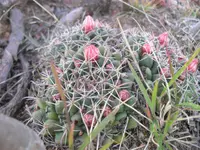
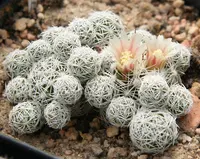
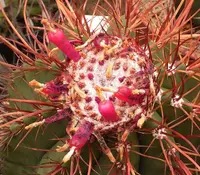
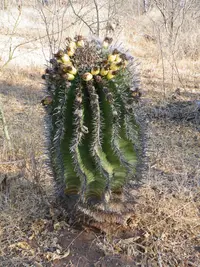
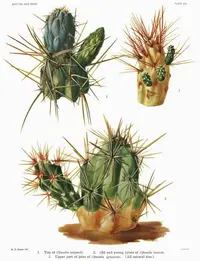
Miqueliopuntia miquelii is a little-known, shrubby cactus native to the arid coastal regions of Chile. It forms dense, branching clumps with cylindrical, jointed stems and prominent spines. Flowers are usually yellow to orange and appear along the stem segments, followed by small, fleshy fruits.

This species is adapted to strong sun, low rainfall, and rocky, extremely well-drained soils. Its drought tolerance and slow, steady growth make it relatively low-maintenance once established, but it dislikes prolonged moisture. Understanding how to care for Miqueliopuntia mainly involves protecting it from excess water and frost while providing bright light and good airflow.

Main Plant Requirements

Care Difficulty

Moderate Care

Light Preference

Full Sun

Water Requirements

Low Water

Temperature Preference

Warm Climate

Hardiness Zone

9–11

Soil Texture

Sandy, Loamy, Rocky

Soil pH

Slightly acidic (6.5–7.0), Neutral (7.0)

Soil Drainage

Well-drained

Fertilization

Minimal (feed rarely)

Get Personalized Care Plan

Scan your plant to receive care tips personalized for your specific plant

Available on iOS and Android

How to Care for the Miqueliopuntia

This cactus prefers strong light that mimics open, arid habitats.

  • Provide 6–8 hours of direct sun daily, ideally with morning sun and some protection from harsh late-afternoon summer rays.
  • In very hot climates, use light shade cloth or filtered sun at midday to prevent bleaching or corky, sunburned patches on stems.
  • Outdoors, choose an open, south- or west-facing spot; in low-light seasons, move Miqueliopuntia to the brightest available, frost-free position.

Watering should mimic brief desert rain followed by a thorough dry-down.

  • Allow soil to dry at least through the top 5–8 cm before watering again, using fast-draining, gritty soil to avoid root rot.
  • During active growth in spring–summer, water deeply, then let excess drain away completely; reduce sharply in fall and keep almost dry in winter.
  • Watch for shriveling segments as a sign of thirst and soft, yellowing, or blackened pads as a sign of overwatering in Miqueliopuntia miquelii.

This species prefers warm, dry conditions with cool but not freezing winters.

  • Aim for 70–90°F (21–32°C) in the growing season; growth slows noticeably below about 60°F (16°C).
  • Protect from frost; short dips to 28–32°F (-2–0°C) may be survived if very dry, but damage is likely below this range.
  • In hot spells above 95°F (35°C), ensure excellent airflow and some light shade to prevent heat stress, especially for young plants.

This cactus tolerates very dry air and rarely needs special humidity control indoors.

  • Target 30–40% relative humidity, similar to typical heated or air-conditioned rooms.
  • Dry, shriveling segments or soft, rotting spots usually indicate watering or temperature issues, not humidity stress.
  • Simply avoid placing the plant directly next to humidifiers, kitchens, or bathrooms with sustained >60% humidity.

Miqueliopuntia miquelii needs a sharply draining, mineral-based substrate that dries fast between waterings.

  • Use a sandy, gritty mix such as 50–60% inorganic material (pumice, coarse sand, small gravel, perlite) with 40–50% cactus potting mix.
  • Aim for slightly acidic to neutral pH around 6.0–7.0, which most commercial cactus blends already provide.
  • Increase aeration and drainage by avoiding fine peat and adding extra pumice or coarse sand until water runs through in seconds.
  • Do not use dense, clay-heavy, or water-retentive mixes that stay wet longer than 2–3 days, as roots rot easily.

This species is well suited to container culture when the pot controls moisture and supports spreading growth.

  • Choose a wide, shallow pot so the relatively shallow roots can spread while the plant remains stable as pads elongate.
  • Select unglazed terracotta if extra evaporation is needed in humid or cool climates to keep the root zone dry.
  • Place the container where it cannot tip, such as against a wall or weighted with topdressing gravel for balance as stems branch.

This desert cactus grows well in lean soil, so fertilizing Miqueliopuntia miquelii should stay light and infrequent.

  • Use a low-dose balanced cactus fertilizer (around 5-5-5 NPK) or very dilute liquid balanced feed at 1/4 strength.
  • Apply once in late spring and once in mid-summer only if growth is weak or soil is very poor.
  • Avoid fertilizing in fall and winter when growth slows or stops to prevent soft, frost-sensitive tissue.
  • Never apply fertilizer to dry root zones; water lightly first, then feed to reduce root burn risk.

Pruning Miqueliopuntia miquelii is mainly corrective, aimed at maintaining plant health and safe structure.

  • Carry out light pruning in late spring once the risk of hard frost has passed.
  • Remove dead, diseased, storm-damaged, or crossing pads with clean, sharp pruners or a sterilized knife.
  • Thin crowded or awkward pads to improve air flow and maintain a stable, balanced shape.
  • Use tongs and thick gloves to handle segments and avoid leaving small stubs that can rot.

This slow-growing cactus seldom needs frequent repotting but benefits from careful handling when moved.

  • Repot or transplant every 3–5 years, or when roots circle the pot, growth slows, or soil stays wet too long.
  • Choose late spring to early summer so warm conditions support recovery and new root growth.
  • Use a coarse, fast-draining cactus mix; keep the new pot only 2–3 cm wider than the old one.
  • Let roots dry for 1–2 days after disturbance, then pot up and water lightly after another few days to limit rot.

Propagation of Miqueliopuntia miquelii is usually done from stem cuttings rather than from seed.

  • Take healthy pad cuttings in late spring or early summer, choosing firm, disease-free segments.
  • Allow cut surfaces to callus in dry shade for 7–14 days until a corky layer forms.
  • Plant cuttings upright in a gritty, fast-draining cactus mix and keep barely moist, never wet.
  • Maintain bright, indirect light and warm temperatures around 70–80°F to encourage rooting over several weeks.

This cactus has some cold tolerance but benefits from basic winter precautions in cooler climates.

  • In-ground plants handle brief light frosts if soil is very well drained and kept on the dry side.
  • Mulch the root zone with coarse gravel, not organic mulch, to improve drainage around the crown.
  • Move container plants to a cold, bright, frost-free spot indoors or under cover for winter.
  • Water pots sparingly, just enough to prevent shriveling, and avoid any fertilizer until spring.

Care Tips

Use mineral mulch

Top-dress the soil surface with 1–2 cm of coarse gravel or pumice to keep the stem base dry, reduce splash-back during watering, and stabilize shallow roots in outdoor plantings.

Elevate for airflow

Place containers on pot feet, a wire rack, or a gritty raised surface so air can circulate under the pot, which helps the root zone dry evenly and reduces rot risk.

Gradual sun hardening

When moving a plant from indoors or shade to full sun, increase light exposure in 30–60 minute increments per day over 10–14 days to prevent stem scorching and corky patches.

Root inspection schedule

Every 12–18 months, unpot gently at the start of the growing season to check for blackened or mushy roots, trimming damaged sections with sterile tools before repotting into fresh dry mix.

Secure windy sites

In exposed outdoor locations, anchor the pot with heavy stones or a cachepot, or lightly stake young plants, so segmented stems are not snapped by gusts while growing Miqueliopuntia.

Common Pests and Diseases

Scale insects

These insects feed on pads and stems, forming small tan or brown bumps that cause yellowing, corky patches, and reduced vigor, especially on stressed outdoor clumps in dry, windy sites.

Solution

Physically remove colonies with a soft brush or cloth dipped in 70% isopropyl alcohol, then improve airflow and reduce dust on pads; for persistent infestations, use a horticultural oil spray labeled for cacti, applied in the cool part of the day and repeated according to label directions.

Cochineal mealybugs

This pest appears as white, cottony tufts on areoles, and when crushed may release red staining carminic acid typical of opuntioid cacti, leading to pad weakening and disfigured growth.

Solution

Blast colonies off with a firm stream of water and follow up by dabbing remaining insects with cotton swabs dipped in 70% isopropyl alcohol; for larger plants, use a systemic insecticide appropriate for cacti and repeat treatments to catch newly hatched nymphs.

Spider mites

These insects thrive on Miqueliopuntia pads in very hot, dry, and windy conditions, causing fine yellow stippling, a dull surface, and sometimes delicate webbing along ribs and areoles.

Solution

Rinse pads thoroughly with water, focusing on undersides, then increase ambient humidity slightly around the plant without overwatering; where pressure is high, apply a miticidal soap or oil spray in several rounds, avoiding full-sun hours to prevent pad scorch.

Fungal stem canker

This disease develops where pads are wounded by cold, hail, or handling, producing sunken dark lesions that may expand and cause segment dieback in this woody, columnar cactus.

Solution

Cut out affected segments back into healthy green tissue with a sterile knife and discard them, then keep the plant in a dry, sunny, well-ventilated position; avoid overhead watering and disinfect cutting tools between plants to limit spread, which is key when growing Miqueliopuntia in collections.

Interesting Facts

Monotypic cactus lineage

This species is the only member of the genus Miqueliopuntia, representing a distinct evolutionary line within the cactus family that is separate from the typical Opuntia prickly pears.

Fog-dependent coastal habitat

It grows naturally along the hyper-arid Chilean coast, where ocean fog (camanchaca) provides a key source of moisture in an environment with extremely low rainfall.

Shrubby, jointed growth

The plant forms dense, woody, many-branched shrubs with cylindrical, jointed stems armed with spines and glochids, creating a compact structure that helps reduce water loss and shield inner tissues from intense sun and wind.

Botan icon

Did you know?

Field studies have documented that Miqueliopuntia miquelii often grows in association with coastal lichen and shrub communities, where its spiny, woody framework can act as a microhabitat, offering shade and structural support for small organisms in an otherwise very exposed landscape.

FAQs about Miqueliopuntia

This cactus performs best outdoors in dry, sunny, frost-free climates where it receives maximum light and airflow. Miqueliopuntia indoor care is possible in bright sunrooms, but growth is usually slower and plants are more prone to etiolation and rot.

Grow Healthy Plants with Botan Care

Keep your plants happy and healthy with plant identification, disease detection, and easy care guidance.

Botan plant care app — identify plants on mobile

Explore More Plants