thimble cactus Care (Mammillaria vetula)

thimble cactus

About thimble cactus

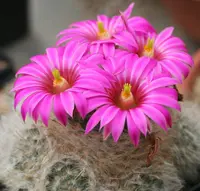
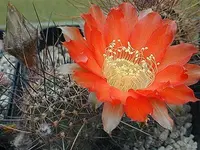
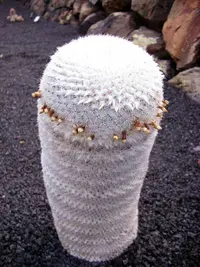
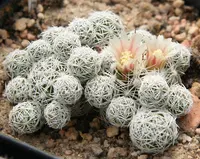
Thimble cactus, Mammillaria vetula, is a small clustering cactus from arid regions of central Mexico. It forms tight mounds of many finger-sized stems covered in fine white spines. Mature clumps often produce small cream or pale yellow flowers that ring the tops of the stems, giving the plant a decorative look. This species stays compact, which makes it suitable for windowsills and small indoor collections. It is considered an easy cactus for beginners because it tolerates occasional neglect and prefers bright light, low humidity, and very fast-draining soil. Understanding how to care for thimble cactus mainly involves avoiding overwatering and providing enough light.

Main Plant Requirements

Care Difficulty

Easy Care

Light Preference

Full Sun

Water Requirements

Low Water

Temperature Preference

Warm Climate

Hardiness Zone

9–11

Soil Texture

Sandy, Loamy, Rocky

Soil pH

Slightly acidic (6.5–7.0), Neutral (7.0)

Soil Drainage

Well-drained

Fertilization

Minimal (feed rarely)

Get Personalized Care Plan

Scan your plant to receive care tips personalized for your specific plant

Available on iOS and Android

How to Care for the thimble cactus

Mammillaria vetula thrives with bright, mostly direct light that mimics high-desert conditions.

  • Provide 4–6 hours of direct morning sun plus bright, filtered light for the rest of the day; thimble cactus tolerates very bright conditions once acclimated.
  • Give light afternoon shade in hot summers to prevent bleaching, yellowing, or corky sunburn spots on the stems.
  • In winter, move plants to the brightest possible position to prevent stretching; rotate the pot weekly so all sides receive similar light.

Mammillaria vetula prefers thorough but infrequent watering that lets the roots dry between soakings.

  • Water only when the top 3–5 cm of soil are completely dry, then soak the root zone and let excess drain away fully.
  • During active growth in spring–summer, expect to water more often; in fall–winter, reduce drastically or stop if soil stays cool and dry.
  • Watch for overwatering signs like soft, translucent stems or a sour smell, and underwatering signs like wrinkling that does not improve a day after watering.

This cactus grows best in warm, dry conditions with a marked cool, but not freezing, winter rest period.

  • Aim for 70–85°F (21–29°C) in spring–summer for strong growth, with good air movement to prevent heat buildup around the stems.
  • Protect from frost; short dips to 40°F (4°C) are usually tolerated if the soil is dry, but sustained exposure below 35°F (2°C) risks tissue damage.
  • In very hot spells above 95°F (35°C), provide light shade and extra airflow to avoid overheating, especially in small pots or on reflective surfaces.

This species thrives in dry indoor air and does not need added humidity.

  • Aim for 20–40% humidity, similar to a heated home in winter.
  • Dry air is tolerated well; excess humidity above 50% encourages rot, especially at the stem base.
  • Watch for persistent softness, pale translucent spots, or musty odor as signs of humidity-related rot in thimble cactus.

Use a very fast-draining, mineral-based cactus mix for Mammillaria vetula.

  • Choose a sandy, gritty mix with a loose structure so water drains through in seconds, not minutes.
  • Combine roughly 50–70% inorganic materials (pumice, coarse sand, small gravel, perlite) with 30–50% cactus potting mix for balanced aeration.
  • Keep pH slightly acidic to neutral, around 6.0–7.0, which suits most tap-watered houseplants.
  • Avoid peat-heavy, compact, or water-retentive mixes that stay wet for more than 2–3 days, as this quickly leads to root rot.

This species is very suitable for container growing.

  • Choose a wide, shallow pot so the clustering stems can spread without trapping moisture deep in the substrate.
  • Use unglazed clay if possible, as it speeds evaporation and helps correct minor overwatering more safely.
  • Select a stable container shape to prevent tipping as offsets multiply and make the plant heavier on one side.

Mammillaria vetula is a light feeder, so modest, diluted nutrition is enough for healthy growth.

  • Use a balanced cactus fertilizer (around 10-10-10) or diluted general-purpose feed at 1/2–1/4 strength.
  • Apply every 4–6 weeks during the warm, active growing season, only on moist soil.
  • Do not fertilize in winter dormancy; this thimble cactus prefers a dry rest period.
  • Avoid rich compost or frequent feeding, which can cause weak, elongated growth or root burn.

Pruning needs for Mammillaria vetula are minimal and focus on health and safety, not shaping.

  • Carry out any pruning in late spring or early summer, when growth is active.
  • Remove only dead, diseased, or rotting stems, plus any offsets that are badly damaged or overcrowded.
  • Use clean, sharp scissors or small pruning snips and tweezers, wearing gloves for spine protection.
  • Light thinning of congested clumps improves airflow and light penetration, supporting healthier flowering.

This compact cactus grows slowly, so repotting is infrequent but still important over time.

  • Check for roots circling the pot, pushing through drainage holes, or very slow growth as signs to repot.
  • Plan repotting every 3–4 years in late spring, just before active growth increases.
  • Use a shallow pot with fresh, fast-draining cactus mix; handle the cluster gently to avoid breaking roots.
  • Let roots dry for 2–3 days after repotting, then water lightly to limit stress and reduce rot risk.

Mammillaria vetula is commonly multiplied from offsets and, less often, from seed.

  • Detach firm side offsets in late spring or early summer using a clean, sharp knife.
  • Allow cut surfaces to dry and callus for 3–7 days in a shaded, airy place before planting.
  • Set offsets on or just into barely moist, gritty cactus mix, keeping warmth (70–80°F) and bright indirect light.
  • For seeds, sow on the surface of sterile, sandy mix, keep slightly moist, and provide steady warmth for gradual germination.

This cactus needs a cool, very dry winter rest and has low tolerance for prolonged frost.

  • In climates below 30°F, grow in containers and move indoors to a bright, cool room for winter.
  • Aim for winter temperatures around 45–55°F with as much light as possible.
  • Stop watering or give only a light sip every 4–6 weeks to prevent shriveling without causing rot.
  • Outdoors in mild regions, use a sharply drained raised bed and a rain shield to keep stems dry in cold weather.

Care Tips

Cluster division timing

Divide and re-root offsets only in late spring or early summer, when days are longer and growth is active, to reduce rot risk and speed up establishment of new plants.

Secure shallow roots

Anchor loose clusters with a top dressing of coarse grit or small stones so the shallow root system stays stable and new offsets can root firmly instead of tipping over.

Dry handling protocol

When repotting or removing offsets, keep the plant and tools completely dry, then withhold water for 5–7 days afterward so any small wounds can callus and resist fungal infection.

Winter light management

In winter, move the plant to the brightest, coolest indoor spot available and keep it dry, which encourages a compact, firm body instead of stretched, weak growth.

Early rot detection

Check the base of the cluster monthly for soft, yellowed, or translucent stems, and immediately cut away affected heads with a sterile blade and dust the cut surface with dry sulfur or cinnamon to stop rot from spreading when caring for thimble cactus.

Common Pests and Diseases

Mealybugs

This pest hides between the dense stems and tubercles, forming white cottony clumps that suck sap and cause stunted growth or yellowing. Symptoms include distorted new offsets and sticky honeydew on the plant or pot surface.

Solution

Quarantine the plant, then dab visible insects with cotton swabs soaked in 70% isopropyl alcohol and repeat weekly until no new clusters appear. Improve light and air circulation, avoid overfertilizing, and use a narrow-range horticultural oil or insecticidal soap directed into crevices if the infestation is more widespread.

Spider mites

These insects thrive on tightly packed spines in dry indoor air, causing dull, dusty-looking skin, tiny yellow stippling, and fine webbing deep in the clumps. This pest is often more apparent when the cactus loses its normal gloss and looks slightly bronzed.

Solution

Rinse the plant thoroughly with a strong but controlled stream of lukewarm water, aiming into the offsets and spine clusters, then let it dry quickly in bright light. Increase humidity around the plant slightly without wetting the soil, and apply insecticidal soap or a miticide labeled for cacti, repeating after 7–10 days to catch newly hatched mites.

Scale insects

This pest appears as small, hard, tan to brown bumps attached firmly to the ribs and at the base of spines, especially on older clusters. Infested areas can yellow and weaken, and honeydew may encourage sooty mold on neighboring surfaces.

Solution

Gently scrape or pry off individual scales with a cotton swab or soft brush dipped in 70% isopropyl alcohol, taking care not to damage the epidermis. For heavier infestations, treat the entire plant with insecticidal soap or horticultural oil, repeat after 10–14 days, and isolate the plant until no new scales develop.

Corky scab lesions

Symptoms include rough, brown, corky patches forming on the lower or outer parts of the stems where offsets pack tightly, often following minor mechanical injury or past stress. These lesions are usually cosmetic but can expand if conditions remain very humid or if the skin is frequently wet.

Solution

Improve light and airflow, water at the soil level, and allow the cactus to dry quickly after any accidental wetting of the body. Remove only soft or cracked tissue; leave firm, dry corking in place, and adjust watering so the soil dries fully between waterings to prevent further damage while growing thimble cactus.

Fungal stem rot

This disease starts in cramped interior sections of the cluster where moisture lingers, causing soft, dark, sunken spots that may spread rapidly and emit a foul odor. Symptoms include collapsing offsets and blackened tissue at or just above the soil line.

Solution

Isolate the plant, then cut away all affected tissue with a sterile knife, dusting clean cuts with dry sulfur or a copper-based fungicide and allowing them to callus in a dry, bright area. Repot healthy remaining offsets in fresh, fast-draining cactus mix, reduce watering until strong new roots form, and maintain better airflow and drier conditions around the clump.

Interesting Facts

Offsets by fragile stolons

This species spreads through slender, easily detached stolons that link the small heads into a dense mat, so a whole clump in cultivation often originates from a single original stem.

Spines as solar shield

Its dense white radial spines create a reflective cover that shades the stem surface and reduces water loss, an adaptation to the high light and intense sun of its native Mexican habitats.

Mountain limestone specialist

In the wild, this cactus is typically found on limestone outcrops and rocky slopes in central Mexico, where it anchors into shallow crevices with very little organic soil.

Botan icon

Did you know?

In its native range in central Mexico, Mammillaria vetula often grows partially hidden among rocks, and mature clumps can break apart naturally, with detached pieces rolling to new sites and rooting to form genetically identical colonies over time.

FAQs about thimble cactus

Lack of flowers usually comes from insufficient light, no cool winter rest, or overfeeding with high-nitrogen fertilizer. Provide strong light, a slightly cooler, drier winter period, and a low-nitrogen cactus fertilizer to encourage flowering.

Grow Healthy Plants with Botan Care

Keep your plants happy and healthy with plant identification, disease detection, and easy care guidance.

Botan plant care app — identify plants on mobile

Explore More Plants