Thompsonella minutiflora Care

Thompsonella minutiflora

About Thompsonella minutiflora

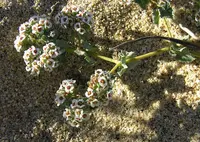
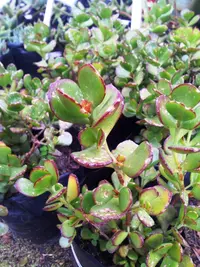
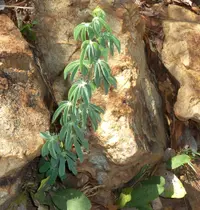
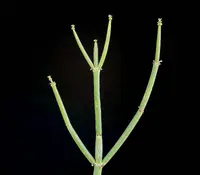
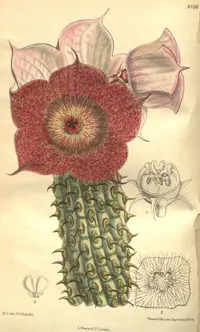
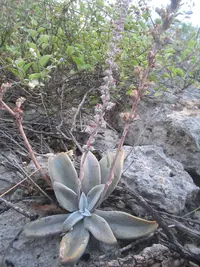
Thompsonella minutiflora is a small epiphytic succulent from the Crassulaceae family, related to sedums and echeverias. It typically forms tight rosettes with slender, fleshy leaves clustered along short stems. Native to rocky habitats in Mexico, it often grows on cliffs or in crevices, where roots anchor into minimal organic material. This background explains its preference for bright light, excellent drainage, and careful watering. Its compact size and relatively slow growth make it suitable for containers and specialty collections, but it is less forgiving of overwatering or heavy, rich soils. With attention to airflow and restraint with moisture, it is manageable for growers who want to learn how to care for Thompsonella minutiflora.

Main Plant Requirements

Care Difficulty

Moderate Care

Light Preference

Partial Shade

Water Requirements

Moderate Water

Temperature Preference

Warm Climate

Hardiness Zone

Unknown

Soil Texture

Loamy

Soil pH

Slightly acidic (6.5–7.0)

Soil Drainage

Well-drained

Fertilization

Minimal (feed rarely)

Get Personalized Care Plan

Scan your plant to receive care tips personalized for your specific plant

Available on iOS and Android

How to Care for the Thompsonella minutiflora

This species prefers bright, indirect light with some direct morning sun in mild climates.

  • Provide 4–6 hours of bright, filtered light daily; gentle early morning sun is suitable, while harsh afternoon sun can scorch leaves and stems.
  • In hot regions, grow Thompsonella minutiflora where it receives dappled shade during midday to prevent tissue damage and excessive dehydration.
  • In winter, move plants to a brighter position or higher light exposure, as low light leads to weak, elongated growth and reduced flowering.

This plant prefers a thorough soak followed by a complete dry-down of the root zone.

  • Allow the soil to dry at least through the top 3–5 cm before watering again, using fingers to check depth rather than following a fixed schedule.
  • Increase watering slightly in active growth and warm weather, but always ensure fast-draining, gritty soil so water does not pool around the roots.
  • Reduce watering in cool seasons; signs of excess water include soft, translucent leaves and stem rot, while severe wrinkling or shriveling indicates underwatering in Thompsonella minutiflora.

This succulent favors warm, frost-free conditions with only moderate heat tolerance.

  • Aim for 65–80°F (18–27°C) during active growth; short spikes up to about 90°F (32°C) are tolerated if airflow and shade are adequate.
  • Protect from cold; growth slows below 55°F (13°C) and tissue damage can occur near 40°F (4°C), especially in prolonged damp conditions.
  • Avoid frost entirely, as freezing temperatures can kill stems and roots; in regions with cold winters, provide shelter or move plants to a protected, cool but frost-free area.

This species prefers moderate air moisture but adapts to typical indoor humidity if not kept too wet at the roots.

  • Aim for 40–60% humidity, avoiding constantly saturated air that encourages fungal problems.
  • It tolerates short dry-air periods, but prolonged very dry rooms combined with high heat can desiccate fine roots.
  • Watch for leaf tip browning or slow, shriveled new growth as signs of humidity stress.
  • Increase humidity locally with nearby pebble trays or grouped plants rather than misting foliage directly.

Thompsonella minutiflora prefers a very free-draining, mineral-based mix that dries rapidly between waterings.

  • Use a gritty mix such as 50–70% inorganic material (pumice, perlite, coarse sand, or fine gravel) blended with a small amount of cactus potting mix or compost.
  • Target a slightly acidic to neutral pH around 6.0–7.0, which suits most succulent roots and helps nutrient uptake.
  • Ensure the mix is loose and crumbly so roots receive abundant air; avoid compacted or peat-heavy substrates that stay wet for long periods.
  • Do not add water-retentive amendments like clay or fine silt, which reduce drainage and increase the risk of rot in caring for Thompsonella minutiflora.

This species is well suited to container growing due to its compact, succulent habit.

  • Choose a shallow but wide pot to accommodate its relatively shallow, spreading root system without leaving deep, unused, wet soil at the bottom.
  • Select unglazed terracotta if possible, as its porous walls help excess moisture evaporate quickly from a fast-drying mix.
  • Elevate the pot on feet or a stand so drainage holes remain clear and water can exit freely, reducing stagnant moisture around the base.

This lithophytic succulent from arid habitats needs only light, infrequent feeding in cultivation.

  • Use a low-dose, balanced liquid fertilizer (around 10-10-10 or similar) diluted to 1/4–1/2 strength for Thompsonella minutiflora in active growth.
  • Feed once every 4–6 weeks during spring–summer, skipping applications if growth is slow or plant looks stressed.
  • Avoid organic compost-rich mixes; use a very lean, fast-draining mineral substrate instead.
  • Stop fertilizing in fall–winter to allow a natural rest period and reduce root burn risk.

Pruning needs are minimal and mostly focused on removing unsightly or unhealthy tissue.

  • Carry out light pruning in late winter or early spring before stronger growth resumes.
  • Remove dead, shriveled, or diseased leaves and spent flower stems to reduce rot risk.
  • Use small, sharp scissors or snips cleaned with alcohol to avoid spreading pathogens.
  • Limit pruning to tidying; heavy cutting can distort the compact rosette form of Thompsonella minutiflora.

This small succulent prefers stable conditions and only occasional repotting or transplanting.

  • Consider moving the plant when roots circle the pot, growth stalls, or the mix has broken down, usually every 3–4 years.
  • Plan repotting for late spring to early summer, when temperatures are warm and growth is active.
  • Use a shallow container with ample drainage holes and a gritty, mineral-rich mix to minimize root rot.
  • Handle roots gently, keep them as intact as possible, and withhold water for 2–3 days after repotting to let any damage callus.

Propagation is possible but slower than with many common succulents, so patience is important.

  • Use offsets or stem pieces if available, or sow fresh seed for more plants.
  • Take cuttings or separate offsets in late spring–summer when conditions are warm and dry.
  • Allow cut surfaces to callus for several days, then place on or in a barely moist, gritty medium.
  • Provide bright, indirect light, good air movement, and avoid overwatering to encourage steady rooting and seedling survival.

This species dislikes prolonged hard frost and benefits from simple winter precautions in cooler climates.

  • Keep temperatures above about 35–40°F; brief light frost may be tolerated but can mark leaves.
  • Grow containers under cover in winter, such as a bright cold frame or cool indoor windowsill.
  • Maintain the potting mix almost dry, watering only enough to prevent extreme shriveling.
  • If grown outdoors in mild areas, ensure perfect drainage and shelter from excessive winter rain.

Care Tips

Rocky topdressing

Add a 1–2 cm layer of coarse pumice, lava rock, or gravel on the soil surface to keep the neck of the rosette dry and reduce rot risk in heavy rain or overhead watering.

Summer shade cloth

In hot, exposed sites, use 20–30% shade cloth during the hottest weeks to prevent leaf scorch while still maintaining enough light for compact growth.

Targeted offset removal

Detach offsets only once they show several roots, then let the cut dry for 2–3 days before replanting to minimize infection and improve establishment in a new pot or pocket.

Cool season rest

In fall, gradually reduce water and stop feeding so the plant can enter a cooler, drier rest period that supports better flowering the following season when growing Thompsonella minutiflora.

Tilted planting angle

Plant rosettes at a slight downward tilt on a slope or in a crevice so water naturally drains away from the crown, reducing the chance of rot in wet spells.

Common Pests and Diseases

Mealybugs

This pest often settles in leaf rosettes and along the base of the plant where overlapping leaves create sheltered spots. Symptoms include cottony white clusters, sticky honeydew, and gradual weakening of the rosettes.

Solution

Remove visible insects with a cotton swab dipped in 70% isopropyl alcohol, then rinse the plant thoroughly with a firm stream of water and let it dry. Keep the plant in a bright, airy spot, isolate it from other succulents, and repeat targeted alcohol treatments every 7–10 days until no new insects appear.

Soft scale

These insects attach tightly to leaves and stems, forming small, rounded, tan to brown bumps that excrete sticky honeydew. Symptoms include a dull, tacky surface on the fleshy leaves and possible sooty mold growing on the honeydew in humid or still air conditions.

Solution

Gently scrape or wipe off individual scales with a cotton swab or soft cloth dipped in 70% isopropyl alcohol, then rinse the plant and improve air circulation around the rosette. For heavier infestations, apply a light horticultural oil or insecticidal soap, ensuring good coverage under and between leaves, and repeat every 7–14 days as needed.

Leaf spot

This disease causes small, water-soaked or brown lesions on the succulent leaves, often starting where moisture lingers in the tight rosette. Symptoms include expanding spots that may coalesce, leading to localized tissue collapse and cosmetic scarring on older leaves.

Solution

Remove and discard affected leaves, then keep the rosette as dry as possible by watering at the soil level rather than overhead. Increase airflow, avoid crowding with other succulents, and allow the potting mix to dry well between waterings to reduce recurrence, especially when caring for Thompsonella minutiflora in humid conditions.

Basal stem rot

This disease affects the base of the rosette where it meets the substrate, causing soft, discolored tissue and sudden collapse of the plant even though upper leaves may initially look firm. Symptoms include a brown or black mushy crown, sometimes with a sour or musty odor, particularly when the mix stays wet and cool for long periods.

Solution

Immediately remove the plant from its pot, cut away all soft, darkened tissue, and allow any firm sections to dry and callus for several days before replanting into a fast-draining, gritty succulent mix. Reduce watering volume and frequency, use a pot with large drainage holes, and keep temperatures in a warm, stable range with good airflow to prevent future infections.

Interesting Facts

Chihuahuan Desert native

This species is naturally restricted to rocky limestone slopes of the Chihuahuan Desert region in northern Mexico, where it grows in exposed, arid conditions with intense sun and large temperature swings between day and night.

Miniature rosette habit

The plant forms small, compact rosettes of thick succulent leaves that often nestle tightly into rock crevices, an adaptation that reduces water loss and protects its growing point from heat and desiccation.

Tiny, clustered flowers

Its specific epithet minutiflora refers to its very small flowers, which are borne in loose clusters on slender stems and are adapted to attract local pollinating insects despite their reduced size.

FAQs about Thompsonella minutiflora

Lack of blooms usually relates to insufficient light intensity, overly rich or frequent fertilization, or stress from repotting or temperature swings. Provide stable, bright conditions and allow brief cool, drier rest periods to support bud formation.

Grow Healthy Plants with Botan Care

Keep your plants happy and healthy with plant identification, disease detection, and easy care guidance.

Botan plant care app — identify plants on mobile

Explore More Plants