Pineapple Cactus Care (Coryphantha sulcata)

Also known as: Grooved Nipple Cactus, Finger Cactus, Nipple Cactus
Pineapple Cactus

About Pineapple Cactus

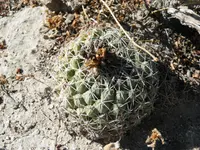
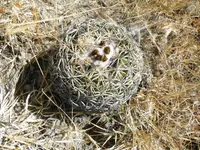
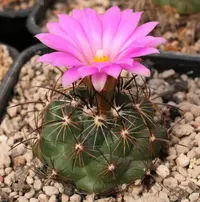
Pineapple cactus, Coryphantha sulcata, is a small, globular desert cactus known for its pineapple-like pattern of raised tubercles and strong, pale spines. It often remains compact, forming a single stem rather than large clusters.

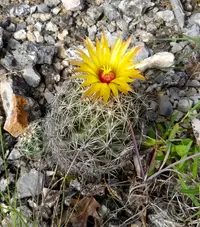
This species is native to arid regions of Texas and northeastern Mexico, where it grows in rocky, well-drained soils under intense sun. Its bright yellow flowers appear at the crown, creating a strong contrast with the spiny body.

Coryphantha sulcata is generally slow growing but quite tolerant of drought, which makes it manageable for beginners who want to learn how to care for Pineapple Cactus. It prefers bright light, minimal watering, and gritty, fast-draining soil to stay healthy over time.

Main Plant Requirements

Care Difficulty

Easy Care

Light Preference

Full Sun

Water Requirements

Low Water

Temperature Preference

Warm Climate

Hardiness Zone

8–11

Soil Texture

Sandy, Loamy, Rocky

Soil pH

Slightly acidic (6.5–7.0), Neutral (7.0)

Soil Drainage

Well-drained

Fertilization

Minimal (feed rarely)

Get Personalized Care Plan

Scan your plant to receive care tips personalized for your specific plant

Available on iOS and Android

How to Care for the Pineapple Cactus

This small desert cactus thrives in strong light that mimics full sun in its native range.

  • Provide 6–8 hours of direct sun daily, ideally with strong morning sun and lighter afternoon exposure to reduce scorch risk.
  • In very hot climates, give Pineapple Cactus light afternoon shade or filtered sun to prevent yellowing, corky patches, or spine bleaching.
  • In winter, unobstructed sun is important; if grown in higher latitudes, move it to the brightest, sunniest spot to avoid stretching and weak growth.

This species is drought-adapted and prefers thorough but infrequent watering.

  • Water only when the top 3–5 cm of soil are completely dry, then soak the root zone and let excess drain away fully.
  • During active growth in spring–summer, expect watering roughly every 2–4 weeks depending on heat, wind, and soil drainage; reduce frequency in cooler, cloudy periods.
  • In autumn–winter, keep Coryphantha sulcata almost dry; prune back if stems soften, and suspect overwatering if tissue turns mushy or translucent.

This desert cactus prefers warm conditions and does poorly in prolonged cold or frost.

  • Aim for 70–90°F (21–32°C) during active growth, which supports firm, compact stems and healthy spine development.
  • It tolerates brief highs up to about 100–105°F (38–41°C) if soil is very free-draining and there is some air movement.
  • Protect from frost; avoid temperatures below 40°F (4°C), and keep it cool but above 45–50°F (7–10°C) and very dry in winter to prevent cold damage.

This cactus is adapted to dry air and rarely needs special humidity management indoors.

  • Target 20–40% relative humidity; typical heated or air-conditioned rooms are suitable for Pineapple Cactus.
  • Dry air is tolerated well, but combined with intense heat it can cause slight wrinkling or soft, deflated ribs from water loss.
  • If air is extremely dry and hot, improve conditions by shading from harsh afternoon sun and watering the soil slightly more often, not by misting.

This species needs a very fast-draining, mineral-rich substrate that dries quickly between waterings.

  • Use a gritty mix of about 60–70% inorganic materials such as pumice, coarse sand, and small gravel with 30–40% cactus potting mix.
  • Ensure sharp drainage; water should run through the pot within seconds and the surface should not stay wet for more than 1 day.
  • Keep pH slightly acidic to neutral, around 6.0–7.0, which suits Coryphantha sulcata and limits nutrient lockout issues.
  • Avoid dense peat-based mixes, fine sand alone, or any soil that compacts, as these restrict aeration and increase the risk of root rot.

This cactus is very suitable for container growing, including small pots.

  • Choose a pot just slightly wider than the plant body so the root zone fills and dries evenly after watering.
  • Select a low, heavy container if the plant is offsetting or tall, which reduces the risk of tipping in strong wind or from accidental bumps.
  • Use unglazed clay rather than plastic when possible, since porous walls allow faster evaporation and help prevent prolonged substrate saturation.

This desert cactus needs sparse feeding, but light nutrients support healthy growth in containers.

  • Use a diluted balanced liquid cactus fertilizer (around 10-10-10 or similar), mixed to 1/4–1/2 strength.
  • Feed Pineapple Cactus once every 4–6 weeks during the warm growing season only.
  • Avoid organic compost in pots; it often holds too much moisture and can cause root rot.
  • Stop feeding in late fall and winter to allow a dry, cool dormancy and prevent weak, etiolated growth.

Coryphantha sulcata requires almost no true pruning, only minimal cleanup.

  • Perform any cleanup in late spring or early summer when growth is active and conditions are dry.
  • Remove only dead, dried, or diseased tissue with sharp, disinfected tweezers or small scissors.
  • Gently twist off spent flowers or dried fruit if desired, taking care not to damage the areoles.
  • Avoid cutting into healthy stems; this cactus maintains its natural shape without reshaping cuts.

This small cactus grows slowly and dislikes frequent disturbance, so repot only when necessary.

  • Check for roots circling the drainage holes, very slow growth, or soil that no longer wets evenly as signs to repot.
  • Plan repotting for late spring, just before strong active growth, about every 3–5 years in containers.
  • Use a dry, gritty cactus mix and a pot only 1–2 in wider to keep roots slightly snug and soil fast-draining.
  • Unpot carefully, tease roots gently, allow any breaks to dry for 1–2 days, then replant and keep soil nearly dry for 7–10 days.

This cactus is mainly propagated from seed rather than offsets.

  • Sow fresh seeds in late spring to early summer for warmth and brighter light.
  • Fill a shallow tray with a sterile, very well-drained cactus mix and moisten lightly.
  • Press seeds onto the surface, barely cover with fine grit, then maintain 70–80°F and bright, indirect light.
  • Cover with a clear lid or plastic to keep humidity moderate, vent often, and reduce moisture once seedlings appear.

This species prefers a cool, dry winter rest and tolerates brief light frost if kept dry.

  • Aim for winter temperatures around 40–50°F with excellent air circulation and no overhead watering.
  • Keep soil almost completely dry; even small amounts of cold, wet soil increase rot risk.
  • In cold regions, move container plants indoors to an unheated bright room or cold greenhouse.
  • Outdoor plants in mild climates should be in sharply drained soil; gravel mulch helps keep the crown dry.

Care Tips

Deep pot choice

Use a deeper pot with generous drainage holes to allow the strong taproot to develop fully and reduce the risk of root deformities and rot over time.

Top-dress with grit

Apply a 1–2 cm layer of coarse mineral grit or small gravel on the soil surface to keep the stem base dry, discourage fungus gnats, and protect new spines when watering.

Winter rest management

From late fall to late winter keep the plant very dry and in the brightest possible spot, as this cool, dry rest strongly improves spring flowering and overall vigor.

Rotate for symmetry

Rotate the pot by 90° every 2–3 weeks during the active growing season so the stem remains compact and symmetrical instead of leaning toward the light source.

Targeted pest checks

Inspect the areoles and woolly crown with a hand lens every month for early signs of mealybugs or scale and spot-treat with isopropyl alcohol on a cotton swab before infestations spread, which is especially helpful when caring for Pineapple Cactus indoors.

Common Pests and Diseases

Mealybugs

This pest feeds on the cactus surface and in the woolly areoles, sucking sap and leaving white cottony clusters between tubercles and around the crown. Symptoms include slow growth, yellowing patches, and sticky honeydew that can lead to sooty mold.

Solution

Isolate the plant, then remove visible insects with a cotton swab dipped in 70% isopropyl alcohol, paying attention to the woolly areoles and tubercle bases. For larger infestations, use a systemic insecticide labeled for cacti or repeated applications of insecticidal soap, and improve light and air movement to discourage reinfestation as part of Coryphantha sulcata care.

Red spider mites

These insects prefer hot, dry conditions and can colonize the ribs and areoles, causing a dull, grayish or rusty discoloration on the epidermis. Symptoms include very fine webbing in crevices and a rough, scarred surface on older damage.

Solution

Rinse the plant gently with a strong but controlled stream of water to remove mites, then apply a miticide or insecticidal soap approved for succulents, repeating as directed. Increasing humidity slightly, improving air circulation, and avoiding chronic heat stress help reduce future mite pressure without keeping the soil wet.

Scale insects

This pest appears as small, hard, brown or gray bumps along the ribs, near areoles, and at the plant base where it meets the potting mix. Symptoms include localized yellowing, stunted growth, and sticky honeydew around the plant or on the pot.

Solution

Manually scrape or lift off scales with a wooden stick or soft brush, then dab remaining insects with 70% isopropyl alcohol. Follow with a systemic insecticide drench or repeated horticultural oil treatments, applied carefully to avoid pooling oil in the crown or on the root neck.

Basal stem rot

This disease usually starts at the cactus base or root neck when kept in overly wet soil or cool, damp conditions, especially in heavy mixes. Symptoms include soft, discolored tissue at the base, a sour smell, and progressive collapse of the plant from the bottom up.

Solution

At the first signs, unpot the cactus, cut away all soft or discolored tissue with a sterile blade, and allow healthy tissue to dry and callus for several days. Repot in a very fast-draining mineral-rich mix, keep entirely dry until firm new root growth begins, and in future water only when the mix is fully dry and temperatures are consistently warm.

Fungal leaf spot lesions

This disease affects the epidermis, forming small, sunken, brown or black spots on the tubercles that may coalesce under prolonged humidity or overhead watering. Symptoms include roughened scar tissue and occasional cracking where lesions merge.

Solution

Remove severely affected tubercles or sections with a sterile knife if damage is localized, then keep the plant in a dry, well-ventilated spot with bright light. Avoid overhead watering, allow the soil to dry fully between waterings, and if spread continues, use a low-residue fungicide labeled for cacti, applied according to directions.

Interesting Facts

Texas coastal specialist

This cactus is naturally restricted to south-central and coastal Texas, where it grows in open prairies and savannas on gravelly or sandy calcareous soils rich in limestone fragments.

Grooved tubercle design

Its stem surface is covered with distinct grooved tubercles (fleshy projections), and the longitudinal grooves help channel rainwater toward the base of the plant and its roots in brief storm events.

Fragrant summer flowers

The plant produces showy, pale yellow to creamy flowers with orange centers in summer, and the blossoms often have a noticeable sweet fragrance that attracts native bees and other pollinators.

Botan icon

Did you know?

This species can form natural hybrids with other nearby Coryphantha species in the wild, and some local populations show intermediate features, which has contributed to taxonomic debates and reclassification within the genus.

FAQs about Pineapple Cactus

Growth is slow. Seedlings usually take several years to form a small, rounded adult body. In home cultivation, expect only a few millimeters of annual increase, even under good conditions with proper Coryphantha sulcata care.

Grow Healthy Plants with Botan Care

Keep your plants happy and healthy with plant identification, disease detection, and easy care guidance.

Botan plant care app — identify plants on mobile

Explore More Plants