











Coryphantha maiz-tablasensis Care

Coryphantha maiz-tablasensis

About Coryphantha maiz-tablasensis

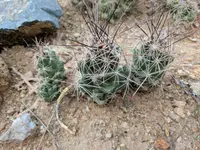
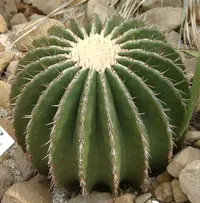
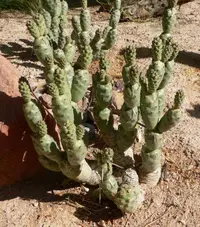
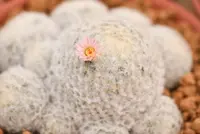
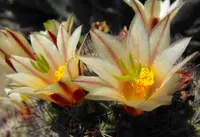
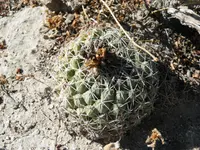
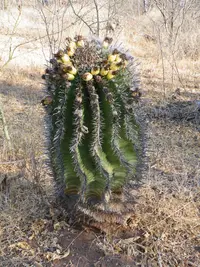
Coryphantha maiz-tablasensis is a small, globular cactus native to arid regions of northeastern Mexico. It forms a single rounded stem covered in pronounced tubercles with short, stiff spines. In good light it produces attractive yellow flowers near the crown. Growth is generally slow, which suits container culture and small indoor collections. This species prefers bright light, lean mineral soil, and careful watering with very good drainage. Spination protects the plant but also makes handling difficult. With attention to dryness between waterings and strong light, it is relatively straightforward to care for Coryphantha maiz-tablasensis.

Main Plant Requirements

Care Difficulty

Moderate Care

Light Preference

Full Sun

Water Requirements

Low Water

Temperature Preference

Warm Climate

Hardiness Zone

9–11

Soil Texture

Sandy, Rocky, Loamy

Soil pH

Slightly acidic (6.5–7.0), Neutral (7.0)

Soil Drainage

Well-drained

Fertilization

Minimal (feed rarely)

Get Personalized Care Plan

Scan your plant to receive care tips personalized for your specific plant

Available on iOS and Android

How to Care for the Coryphantha maiz-tablasensis

This small desert cactus needs strong light but benefits from some protection from extreme midday sun.

  • Provide 6–8 hours of direct sun daily, ideally with morning sun and light afternoon shade in hot, dry climates.
  • Allow Coryphantha maiz-tablasensis to grow in open exposure, but use filtered light or 30–40% shade cloth if stems yellow or scorch.
  • In cool or cloudy seasons, move plants to the brightest available spot to prevent stretching and weak, elongated growth.

This species prefers thorough but infrequent watering that mimics brief desert rains.

  • Water only when the top 3–5 cm of soil are completely dry; the plant should feel firm, not soft or wrinkled.
  • Use sharply draining, gritty soil so water runs through in seconds, preventing root rot and stagnant moisture around the taproot.
  • In spring–summer, water more often during active growth; in fall–winter, especially below 60°F (16°C), reduce to very rare sips to avoid rot.

This cactus thrives in warm, dry conditions with cool but not freezing winters.

  • Aim for 70–90°F (21–32°C) in the main growing season, with plenty of air movement to handle high heat safely.
  • Protect plants from frost; short drops to 32°F (0°C) are risky, so keep long-term minimums above 40°F (4°C), especially in wet weather.
  • In winter, cooler rest at 45–55°F (7–13°C) with very dry soil improves bud formation, but avoid sudden swings over 25°F (14°C) in a day.

This cactus handles typical indoor humidity but prefers fairly dry air.

  • Aim for 30–40% humidity, avoiding persistently humid rooms such as steamy bathrooms or unventilated kitchens.
  • Dry air is generally tolerated; problems arise more from excess moisture than from low humidity.
  • If new growth softens or shows pale, water-soaked spots, reduce ambient humidity and increase air movement rather than adding humidity.

Soil for Coryphantha maiz-tablasensis must be very fast-draining and strongly mineral-based.

  • Use a gritty mix of roughly 60–70% mineral components (pumice, coarse sand, small lava rock, or perlite) with 30–40% low-organic cactus compost.
  • Aim for a loose, open structure that dries fully within 3–5 days after watering to protect the shallow roots from rot.
  • Keep pH slightly acidic to neutral (around 6.0–7.0), avoiding limy garden soil or dense clay-based mixes.
  • Do not add water-retentive materials like peat-heavy potting soil, fine coco coir, or vermiculite, which reduce aeration and trap moisture around the root neck.

This species is very suitable for container growing.

  • Choose a pot only slightly wider than the plant body so the shallow roots fill it quickly and the mix does not stay wet for long.
  • Use unglazed clay if extra evaporation is desired, especially in cooler or lower-light locations where drying is slower.
  • Keep the plant high in the pot, with the stem base above the rim, to prevent water pooling around the neck during overhead watering.

This small Mexican cactus has low nutrient needs, so fertilizing Coryphantha maiz-tablasensis should stay light and infrequent.

  • Use a low-dose balanced cactus fertilizer (diluted to 25–50% strength) or a mild slow-release succulent formula.
  • Feed 1–2 times during the warm growing season only, after watering, to avoid root burn.
  • Do not fertilize in winter dormancy; cool, dry rest promotes flowering and prevents soft, weak growth.
  • Avoid rich compost or high-nitrogen products, which encourage swollen, unstable tissue and rot.

Pruning needs for this cactus are minimal and focus on cleanliness rather than shaping Coryphantha maiz-tablasensis.

  • Carry out any work in dry, warm weather to reduce infection risk at small wounds.
  • Use clean, sharp tweezers or scissors to remove dead flowers and dried, moldy tissue.
  • Cut away clearly rotted or damaged sections back to firm, healthy tissue, then keep the plant dry.
  • Leave healthy stems and spines untouched; pruning does not improve form and can invite disease.

This slow-growing cactus prefers tight quarters, so repot only when necessary to maintain healthy roots.

  • Check every 3–4 years; repot when roots circle the pot, emerge from drainage holes, or growth slows despite good care.
  • Plan repotting in late spring, before peak summer heat, so roots re-establish in active growth.
  • Use a shallow pot with large drainage holes and a very gritty cactus mix to limit moisture retention.
  • Lift carefully, remove loose soil without tearing roots, replant at the same depth, and keep almost dry for 1–2 weeks to reduce stress.

Propagation of this species is typically done from seed under controlled, warm conditions.

  • Sow fresh seeds in late spring to early summer in a sterile, very gritty cactus mix.
  • Lightly press seeds into the surface; do not bury deeply, as they need light to germinate well.
  • Maintain 70–80°F, bright indirect light, and consistently slightly moist (not wet) substrate until germination.
  • After seedlings appear, increase ventilation, reduce moisture gradually, and space out crowded plants to limit damping-off disease.

This desert cactus requires a cool, very dry winter rest rather than heavy protection.

  • Keep indoor or greenhouse plants around 45–55°F with maximum light and almost no water from late fall to early spring.
  • Ensure pots stay completely dry; cold combined with moisture encourages root and stem rot.
  • Move container plants indoors before frost, as repeated hard freezes can damage tissues even if short light frosts are tolerated.

Care Tips

Topdressing with grit

After potting, apply a 0.5–1 cm layer of coarse mineral grit (pumice, lava rock, or aquarium gravel) on the soil surface to keep the stem base dry, reduce fungus gnat activity, and prevent algae or moss from forming around the crown.

Controlled summer rest

If summers are very hot, slightly reduce watering and stop fertilizing during peak heat to encourage a short semi-dormant rest period, which supports stronger flowering and healthier new spine growth when temperatures moderate.

Winter light adjustment

In winter, move the plant to the brightest, coolest indoor spot available and keep it completely dry, which helps prevent etiolation (unnaturally stretched growth) and root rot while it is dormant.

Root inspection repotting

Every 2–3 years, repot into fresh mineral-rich cactus mix and gently inspect the roots, trimming any black or mushy sections with a sterile blade before dusting cuts with sulfur or cinnamon to reduce rot risk.

Seed propagation practice

To better understand caring for Coryphantha maiz-tablasensis, sow seeds in a shallow tray with a fine mineral mix, cover lightly, and keep just barely moist and warm (70–80°F) under bright indirect light to observe its early growth needs and responses.

Common Pests and Diseases

Mealybugs

This pest appears as small white cottony clusters tucked between tubercles and around the cactus base. Symptoms include slowed growth, yellowing tissue near feeding sites, and honeydew that can attract sooty mold.

Solution

Isolate the plant, then dab visible insects with cotton swabs soaked in 70% isopropyl alcohol and repeat weekly until no new clusters appear. Improve air movement, avoid excess nitrogen fertilization, and, if needed, use a systemic insecticide labeled for cacti according to the manufacturer’s directions as part of comprehensive Coryphantha maiz-tablasensis care instructions.

Red spider mites

These insects are actually tiny arachnids that cause fine speckling, bronzing, or a dull, dusty look on epidermis, often in hot, very dry conditions. Webbing may be barely visible in grooves between tubercles.

Solution

Rinse the plant under a gentle stream of water, including the lower body, then allow it to dry in bright, airy conditions. For persistent infestations, apply a miticide or insecticidal soap labeled for succulents, repeating at intervals to break the life cycle while slightly increasing humidity and reducing heat stress.

Scale insects

This pest forms small, hard, brown or gray bumps on the ribs or between tubercles that do not brush off easily. Symptoms include localized yellow or sunken patches and sticky residue on the pot or bench.

Solution

Manually remove scales with a soft brush or wooden stick, then wipe affected areas with diluted alcohol to reach hidden juveniles. In heavier infestations, use a systemic insecticide suitable for ornamental cacti and monitor closely for several weeks for reinfestation.

Fusarium stem rot

This disease causes sunken, brown to black lesions that may start near old areoles or minor injuries and can progress internally, leaving the tissue hollow or corky. Symptoms include sudden collapse of sections of the stem despite seemingly normal roots.

Solution

Remove the plant from its pot, cut out all affected tissue back to firm, clean flesh, and dust cuts with a dry fungicidal powder or sulfur. Re-root healthy sections in a fresh, very well-draining mineral mix, and prevent recurrence by avoiding stem injuries, overfertilization, and prolonged warm, humid conditions.

Bacterial soft rot

This disease leads to rapid softening and water-soaked, foul-smelling tissue that can spread quickly from a small wound or scar. Symptoms include a wet, translucent appearance and eventual collapse of affected areas.

Solution

Immediately isolate the plant and cut away all soft, discolored tissue with a sterile blade, discarding any severely affected parts. Allow the remaining healthy tissue to dry and callus in a warm, airy place, then replant in sterile, gritty substrate and keep completely dry for several days while improving hygiene and avoiding overhead watering in the future.

Interesting Facts

Endemic Mexican microhabitat

This species is narrowly endemic to the Maíz and Tablas mountain region in San Luis Potosí, Mexico, where it grows on rocky limestone slopes and outcrops with very shallow, mineral-rich soils.

Conical tubercle structure

The plant forms a compact globular body covered with distinct conical tubercles rather than ribs, a structural adaptation that allows tissue expansion for water storage while reducing surface area exposed to intense sun.

Distinctive woolly areoles

Its areoles, the cushion-like structures from which spines and flowers arise, carry noticeable wool and sometimes bristles at the crown, which help protect growing tissue and flower buds from intense light and desiccation.

FAQs about Coryphantha maiz-tablasensis

This species usually flowers in the warmer months, often late spring to mid-summer, once mature. Buds form at the plant’s apex, and flowering is more reliable after a cool, dry winter rest period.

Grow Healthy Plants with Botan Care

Keep your plants happy and healthy with plant identification, disease detection, and easy care guidance.

Botan plant care app — identify plants on mobile

Explore More Plants