


Rock-mulch base
Place a 1–2 in layer of coarse gravel or small rocks around the stem to stabilize the clump, keep the crown dry, and reduce soil splash that can cause rot or fungal spots.

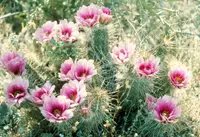
The pinkflower hedgehog cactus, Echinocereus fasciculatus, is a small, clumping desert cactus known for its vivid magenta to pink, funnel-shaped blooms. Stems are cylindrical, covered in dense spines, and often form tight clusters that slowly expand over time.
This species is native to arid regions of the southwestern United States and northern Mexico, where it grows in rocky, well-drained soils. Its drought tolerance and slow growth usually make it a low-maintenance choice once established.
It prefers strong light, minimal moisture, and gritty, fast-draining soil, which reduces the risk of rot. For those learning how to care for pinkflower hedgehog cactus, understanding its need for dryness between waterings is the key point.

Care Difficulty
Moderate Care

Light Preference
Full Sun

Water Requirements
Low Water

Temperature Preference
Warm Climate

Hardiness Zone
8–10

Soil Texture
Sandy, Rocky, Loamy

Soil pH
Slightly acidic (6.5–7.0), Neutral (7.0)

Soil Drainage
Well-drained

Fertilization
Minimal (feed rarely)
Scan your plant to receive care tips personalized for your specific plant
Available on iOS and Android
This desert cactus needs strong, direct light to stay compact and flower well.
Water sparingly and let the root zone dry well between soakings.
This species prefers warm conditions but endures a notable range if kept dry in cold weather.
This cactus thrives in dry air and rarely needs humidity adjustment indoors.
Soil for this desert cactus must be very fast-draining and highly aerated.
This species is well suited to container growing when drainage and stability are managed carefully.
This desert cactus needs only light feeding to support healthy growth in containers.
Echinocereus fasciculatus needs minimal pruning, mainly for health and safety.
This cactus prefers to stay undisturbed and only needs repotting or transplanting occasionally.
This species is usually propagated from offsets or seeds under warm, dry conditions.
This cactus is fairly cold tolerant when dry but still benefits from basic winter care in many climates.

Plant Health Check
Not sure what's wrong with your plant? Check your plant's health inside the app.
This cactus often forms dense clusters of many stems arising from a shared base, which helps stabilize it on rocky slopes and improves survival in harsh desert conditions.
It produces relatively large, funnel-shaped magenta to pink flowers that can be nearly as long as the stems, attracting native pollinators such as solitary bees in spring.
The stems are covered with stiff spines that can show contrasting colors, often with darker central spines over lighter radial spines, giving the plant a patterned, banded appearance in strong light.

In parts of the Sonoran Desert, this species tends to occupy rocky foothills and gravelly slopes rather than open sandy flats, where its clustered habit and deep root system allow it to exploit narrow cracks and pockets of soil that retain just enough moisture for survival.
Blooming usually occurs in spring, often from April to May, depending on climate. Flowers are large, bright pink to magenta, funnel-shaped, and appear near stem tips, often forming showy rings around the plant.
Keep your plants happy and healthy with plant identification, disease detection, and easy care guidance.

Pima Pineapple Cactus
Coryphantha robustispina
Coryphantha maiz-tablasensis
Coryphantha maiz-tablasensis
Coryphantha retusa
Coryphantha retusa
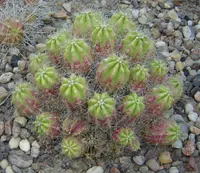
pitaya
Echinocereus enneacanthus
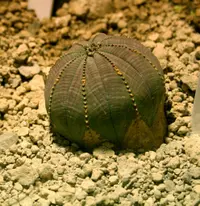 POPULAR
Baseball Plant
Euphorbia obesa
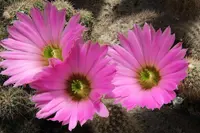
Echinocereus sciurus
Echinocereus sciurus
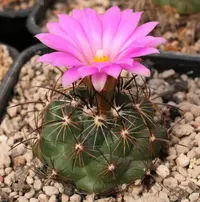
bunched cory cactus
Coryphantha ramillosa
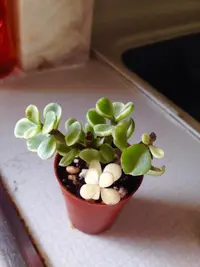
Elephant Bush
Portulacaria afra 'Variegata'