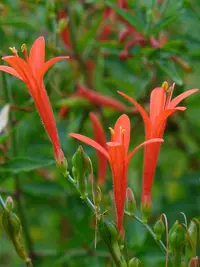
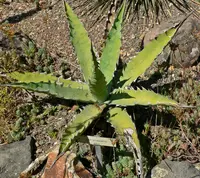
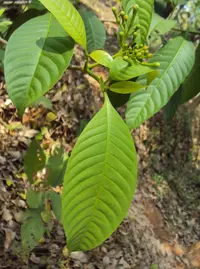
palo santo Care (Fouquieria formosa)

Also known as: rabo de iguana, rosalillo, tlapacon, corona de Cristo, flor de jabon
palo santo

About palo santo

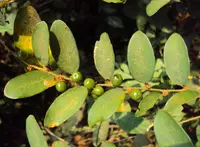
Fouquieria formosa, often called palo santo, is a drought-adapted shrub or small tree from arid regions of Mexico and Central America. It belongs to the same family as ocotillo and has a similar woody, many-branched form.

Plants develop a sculptural, spiny framework with small, short-lived leaves that appear mainly in response to rain. In dry periods, the plant often looks leafless but remains alive and dormant.

This species suits growers who appreciate desert plants and accept slow growth and seasonal leaf drop. It prefers strong light, warmth, sharply draining soil, and careful watering, and understanding these needs is essential to how to care for palo santo.

Main Plant Requirements

Care Difficulty

Moderate Care

Light Preference

Full Sun

Water Requirements

Low Water

Temperature Preference

Warm Climate

Hardiness Zone

9–11

Soil Texture

Sandy, Loamy, Rocky

Soil pH

Slightly acidic (6.5–7.0), Slightly alkaline (7.0–7.5)

Soil Drainage

Well-drained

Fertilization

Minimal (feed rarely)

Get Personalized Care Plan

Scan your plant to receive care tips personalized for your specific plant

Available on iOS and Android

How to Care for the palo santo

Fouquieria formosa needs strong, direct sun to form a sturdy trunk and dense branching.

  • Provide 6–10 hours of direct sun daily; full sun is best, but light afternoon shade in very hot, low-humidity climates reduces leaf scorch.
  • Young plants tolerate brief partial shade, yet prolonged shade causes weak, stretched growth and sparse foliage similar to underlit palo santo.
  • In summer, increase exposure gradually to prevent sunburn; in winter, ensure the site stays unshaded so the plant receives as much low-angle sun as possible.

This desert shrub prefers deep, infrequent watering in fast-draining soil.

  • Outdoors in arid climates, water only when the top 5–8 cm of soil are bone dry, then soak thoroughly so water drains quickly away from the root zone.
  • During active growth with leaves present, watch for slight leaf curl or limpness as a cue to water; in leafless dormancy, water very sparingly or not at all.
  • Avoid overwatering indicated by yellowing leaves, soft stems, or sour-smelling soil; use gritty, well-drained substrate to prevent root rot in Fouquieria formosa.

This species thrives in hot, dry conditions and dislikes frost or prolonged cold.

  • Aim for 75–95°F (24–35°C) during the growing season; growth slows below 70°F (21°C).
  • It tolerates brief dips to about 28–30°F (-2 to -1°C) if dry, but repeated freezes or wet cold can damage stems and roots.
  • In very hot periods above 100°F (38°C), ensure excellent air flow and avoid reflected heat from walls or pavement that can overheat the root zone.

This desert shrub handles dry indoor air well, so humidity rarely limits Fouquieria formosa health.

  • Target 25–40% relative humidity, similar to a dry, climate-controlled room.
  • Brown leaf tips with otherwise firm, green tissue may indicate air that is too dry combined with heat stress.
  • If air is extremely dry over 20–25% and hot, increase humidity slightly by grouping plants or placing a water tray nearby, but avoid misting stems.

Provide a very fast-draining, mineral-based mix that mimics rocky desert soil.

  • Use roughly 60–70% mineral material (pumice, coarse sand, small gravel) and 30–40% low-organic cactus mix to prevent water retention around the roots.
  • Aim for slightly alkaline to neutral pH (7.0–8.0), which suits Fouquieria formosa and limits nutrient toxicity issues common in very acidic mixes.
  • Ensure a gritty structure with visible coarse particles so air moves easily through the root zone and water drains through in seconds, not minutes.
  • Avoid peat-heavy, compact, or water-retentive mixes, which promote root rot; amend such substrates with generous pumice or grit until they feel loose and sharply draining.

This species adapts well to container growing when stability and drainage are carefully managed.

  • Choose a deep, heavy pot so the tall, woody stems do not tip the container when top growth increases.
  • Select unglazed clay if extra evaporation is needed, since it helps keep the root zone dry between sparse waterings.
  • Elevate the pot slightly on feet or blocks so large drainage holes stay clear and runoff exits immediately after watering.

Fouquieria formosa grows in nutrient-poor soils and needs only light, cautious feeding in cultivation.

  • Use a very dilute balanced liquid fertilizer (around 1/4 strength, such as 10-10-10) during active growth in spring–summer.
  • Apply once every 4–6 weeks at most, skipping feeds if growth looks strong and foliage well-colored.
  • Avoid rich compost or frequent slow-release products, which can cause weak, elongated growth and root stress.
  • During cool dormancy or winter, stop feeding entirely; this matches natural conditions for caring for palo santo and related desert species.

Pruning Fouquieria formosa is mainly corrective, aimed at maintaining a healthy, open framework of stems.

  • Best timing is late winter to very early spring, just before new growth begins.
  • Remove dead, diseased, storm-damaged, or rubbing branches with clean, sharp bypass pruners or loppers.
  • Thin crowded interior shoots to improve light penetration and airflow, keeping the plant structurally stable.
  • Limit tip shortening to minor shape corrections, since heavy cutting can reduce flowering and stress older wood.

This desert shrub-tree dislikes frequent disturbance, so repotting or transplanting should be infrequent and deliberate.

  • Consider moving Fouquieria formosa only when roots circle the pot, growth slows, or the plant becomes top-heavy.
  • Plan major transplanting for late winter or early spring, before strong new growth and heat arrive.
  • Typically step up containers only every 3–5 years, choosing a slightly larger pot with very fast-draining, gritty mix.
  • Handle the root ball gently, keep it as intact as possible, water lightly afterward, and shade from harsh sun for 7–10 days to reduce stress.

Propagation of Fouquieria formosa is possible but slow, and is most often done from seed under controlled conditions.

  • Sow fresh seeds in late spring–early summer in a very fast-draining, sandy or gritty mix.
  • Maintain warm temperatures around 75–85°F and bright, indirect light for germination.
  • Keep the substrate barely moist, never wet, to prevent damping-off, a fungal seedling disease.
  • Stem cuttings may root under warm, dry-bottom conditions with rooting hormone, but success rates vary and rooting can be lengthy.

Mature Fouquieria formosa tolerates light frost but benefits from some winter protection in cooler climates.

  • In-ground plants in mild regions usually need only good drainage to avoid winter root rot.
  • In colder zones, mulch lightly around the root zone (5–8 cm) without piling against the stem base.
  • For container plants, move pots indoors or into a bright, frost-free space before temperatures drop below about 28°F.

Care Tips

Deep container choice

Use a tall, heavy pot with large drainage holes so the strong taproot can develop fully and the plant does not tip over as the woody stems elongate.

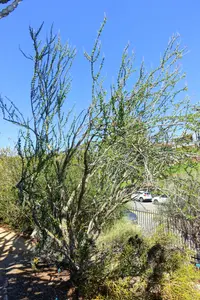
Controlled branch training

While stems are still flexible, gently tie or brace a few main branches outward to create an open, candelabra-like framework that allows more light and air into the canopy.

Dry rest enforcement

In late fall, move the plant under a roofed area or into a bright indoor spot where rain cannot reach it, so you can keep it almost completely dry during dormancy to prevent root rot.

Gradual leafless moves

Only repot or relocate the plant to a very different light exposure when it is leafless or nearly dormant, and always adjust light in stages over 1–2 weeks to avoid stress.

Targeted pest checks

Inspect the spiny stems and branch junctions with a flashlight every few weeks, focusing on small cottony clusters or scale bumps, and treat early with a cotton swab dipped in alcohol before infestations spread when growing palo santo outdoors in warm regions.

Common Pests and Diseases

Scale insects

This pest commonly settles along the woody stems and thorn bases, sucking sap and causing yellowing, slowed growth, and sticky honeydew on nearby surfaces.

Solution

Physically remove scales from the tough stems with a cotton swab dipped in 70% isopropyl alcohol, then rinse the plant and improve air movement; for heavier infestations, use a light horticultural oil spray, applied in dry, warm but not hot conditions, making sure the potting mix is not saturated before treatment.

Spider mites

These insects thrive on Fouquieria formosa in hot, dry indoor air, leading to fine webbing on branch tips, tiny pale speckles on leaves (when present), and overall decline.

Solution

Increase humidity around the plant without overwatering the soil, then hose down the stems outdoors or in a shower to dislodge mites; if populations persist, apply an insecticidal soap or neem oil spray to all stem surfaces, repeating every 5–7 days until no new webbing appears.

Leaf spot

This disease may appear on seasonal foliage after prolonged humidity or overhead watering, with dark, irregular spots that can merge and cause early leaf drop.

Solution

Remove and dispose of affected leaves, keep foliage as dry as possible by watering only the soil, and improve airflow around the plant; in very humid regions or recurring cases, a copper-based fungicide labeled for ornamental plants can be applied to new foliage at the first signs of spotting.

Stem canker

This disease affects the woody stems, where localized, sunken, discolored areas develop, sometimes cracking and leading to dieback of segments above the lesion.

Solution

Prune out affected stem sections well below the damaged tissue with sterile, sharp tools and allow cuts to dry quickly in a bright, airy spot; reduce watering so the soil dries fully between waterings, and avoid wounding stems, which lowers the risk of new infections in Fouquieria formosa care.

Interesting Facts

Seasonal stem greening

This species can activate chlorophyll in its bark and stems during dry seasons, allowing it to photosynthesize even after most leaves have been shed to reduce water loss.

Specialized nectar resource

In its native Mexican habitats, the tubular flowers provide an important nectar source for hummingbirds and specialized bees during dry periods when few other plants are blooming.

Adapted to rocky slopes

Fouquieria formosa often grows on steep, rocky hillsides where its deep, wide-spreading roots anchor it securely and enable it to access limited soil moisture.

Botan icon

Did you know?

The genus Fouquieria, including Fouquieria formosa, is so morphologically distinct that it is placed in its own family, Fouquieriaceae, which contains no other genera.

FAQs about palo santo

Poor flowering usually comes from insufficient light, stress after transplanting, or overly rich, moist soil. This desert shrub needs intense sun, a pronounced dry rest, and lean, fast‑draining substrate before it invests energy in flowers.

Grow Healthy Plants with Botan Care

Keep your plants happy and healthy with plant identification, disease detection, and easy care guidance.

Botan plant care app — identify plants on mobile

Explore More Plants