Pinch For Bushiness
Pinch out soft shoot tips once stems reach 10–15 cm to encourage dense branching and more flowering sites rather than tall, leggy growth.

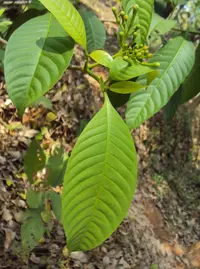
Tabernaemontana alternifolia, commonly called alternate-leaved crape jasmine, is a tropical evergreen shrub or small tree from India and surrounding regions. It belongs to the dogbane family, which often includes latex-bearing species.
The plant typically has glossy, alternate leaves and produces fragrant, white, pinwheel-like flowers, followed by decorative but inedible fruits. It is usually grown outdoors in warm climates, but may be container-grown in cooler areas.
This species prefers warm temperatures, bright light with some protection from harsh midday sun, and evenly moist, well-drained soil. Understanding these basic needs helps gardeners learn how to care for alternate-leaved crape jasmine without major difficulty.

Care Difficulty
Moderate Care

Light Preference
Partial Shade

Water Requirements
Regular Water

Temperature Preference
Tropical / Frost Sensitive

Hardiness Zone
10–11

Soil Texture
Loamy, Sandy, Organic-rich

Soil pH
Acidic (5.5–6.5), Slightly acidic (6.5–7.0)

Soil Drainage
Moist but well-drained

Fertilization
Light (every 4–6 weeks)
Scan your plant to receive care tips personalized for your specific plant
Available on iOS and Android
This shrub prefers bright, gentle light to flower and grow well.
This species prefers evenly moist, not saturated, soil.
This plant thrives in warm, frost-free conditions.
This species prefers moderately humid air and reacts to prolonged dryness.
Soil for this shrub should be loose, draining, and slightly moist-retentive.
This species adapts well to container growing when the pot setup supports its woody root system.
Tabernaemontana alternifolia responds well to modest, consistent feeding during the warm growing season.
Pruning Tabernaemontana alternifolia helps maintain a compact form and encourages flowering on healthy wood.
Tabernaemontana alternifolia in containers or new landscape positions benefits from careful timing and gentle handling during moves.
This species is commonly multiplied from cuttings, making Tabernaemontana alternifolia plant care more economical for larger plantings.
This tropical shrub is frost-sensitive and needs protection in regions with cold winters.

Plant Health Check
Not sure what's wrong with your plant? Check your plant's health inside the app.
This species is a small evergreen tree or shrub native to higher elevations in parts of India and Sri Lanka, where it grows in moist, warm hill forests rather than in lowland habitats.
All parts of the plant contain a white, milky latex typical of the Apocynaceae family, which helps seal wounds when branches or leaves are damaged.
The plant produces white, pinwheel-like flowers with twisted petals and a noticeable evening fragrance, which attracts night-active pollinators in its native range.
This species contains milky sap with toxic alkaloids. Ingestion can cause drooling, vomiting, diarrhea, or weakness in pets. Keep plants out of reach, prevent chewing on leaves, and contact a veterinarian if ingestion is suspected.
Keep your plants happy and healthy with plant identification, disease detection, and easy care guidance.