Aralia decaisneana Care

Aralia decaisneana

About Aralia decaisneana

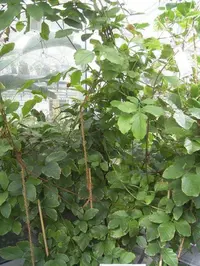
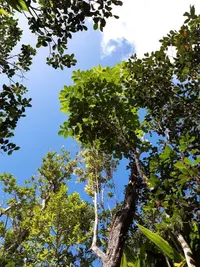
Aralia decaisneana is an evergreen shrub or small tree grown mainly as an ornamental foliage plant. It usually shows upright, branching stems with finely divided, feathery leaves that give it a light, airy look.

This species occurs in tropical Asia, where it grows in warm, humid forest conditions. In cultivation it is valued for its graceful form but can be somewhat demanding, especially in cooler or very dry indoor air.

It generally prefers bright, filtered light, evenly moist but not waterlogged soil, and good drainage, so understanding how to care for Aralia decaisneana helps maintain its health and foliage quality.

Main Plant Requirements

Care Difficulty

Moderate Care

Light Preference

Partial Shade

Water Requirements

Moderate Water

Temperature Preference

Warm Climate

Hardiness Zone

10–11

Soil Texture

Loamy, Sandy, Organic-rich

Soil pH

Acidic (5.5–6.5), Slightly acidic (6.5–7.0)

Soil Drainage

Moist but well-drained

Fertilization

Light (every 4–6 weeks)

Get Personalized Care Plan

Scan your plant to receive care tips personalized for your specific plant

Available on iOS and Android

How to Care for the Aralia decaisneana

This species prefers bright, gentle light with some protection from intense midday sun.

  • Provide 3–5 hours of morning sun with bright, filtered light the rest of the day for Aralia decaisneana, especially in warm climates.
  • Plant in a position with partial shade or dappled light; strong afternoon sun can scorch leaves, causing pale, crispy patches.
  • In winter, allow more direct light if temperatures stay cool, but in summer increase shading or move slightly farther from south- or west-facing exposure.

Watering should keep the root zone evenly moist but never saturated.

  • Irrigate when the top 2–4 cm of soil feels dry, allowing water to soak through the root area, then drain excess to avoid standing water.
  • Use a well-draining soil with added coarse material; persistent wetness, yellowing leaves, and a sour smell indicate overwatering and possible root rot.
  • In warmer months, drying may occur faster and watering intervals shorten; in cooler seasons, lengthen intervals and watch for drooping or curling leaves as signs of underwatering.

Stable, mild temperatures support healthy growth and reduce stress for this species.

  • Aim for 65–80°F (18–27°C) for active growth, avoiding rapid swings that can cause leaf drop or slowed development.
  • Protect from cold below 50°F (10°C); brief exposure near 40°F (4°C) may be tolerated but frost and freezing quickly damage foliage and stems.
  • In hot periods above 86°F (30°C), increase shade and airflow, and avoid placing the plant near heat-reflective surfaces that can create localized high temperatures.

This species prefers moderately humid air and reacts quickly to very dry conditions indoors.

  • Aim for 50–60% humidity, as very dry heated rooms can cause leaf edges to brown.
  • Watch for crisp tips, curling, and slowed growth as signs the air is too dry for Aralia decaisneana.
  • Increase humidity with a nearby humidifier, grouped plants, or a pebble tray rather than frequent misting.

This plant performs best in a loose, airy mix that drains freely but holds consistent, light moisture.

  • Use a peat- or coco-based loam with 20–30% perlite and some fine bark to keep the root zone open and well aerated.
  • Ensure fast drainage; water should pass through the pot within seconds, not sit on the surface or in the saucer.
  • Aim for slightly acidic to neutral pH, around 6.0–7.0, which supports nutrient uptake and root health.
  • Avoid heavy garden soil, compacted mixes, or pots that stay waterlogged, as these conditions promote root rot in Aralia decaisneana.

This species adapts well to container growing when the pot supports its upright, often top-heavy habit.

  • Choose a wide, weighty container that resists tipping as stems elongate and carry more foliage mass.
  • Use a pot deep enough to accommodate a developing woody root system, leaving room for vertical root growth.
  • Select slightly porous materials like unglazed clay only if you can water more often, since they accelerate moisture loss from the mix.

Balanced feeding supports steady growth of Aralia decaisneana without creating weak, overly lush stems.

  • Use a balanced liquid fertilizer (such as 10-10-10) at 1/2 strength every 4–6 weeks during the active growing season.
  • Alternatively, apply a slow-release granular product in spring, following label rates for woody shrubs or small trees.
  • In rich soil, supplement with a thin layer of compost over the root zone once in spring instead of frequent liquid feeds.
  • Stop feeding in late summer to early fall so new growth hardens before cold weather and avoid fertilizing in winter.

Light, structured pruning keeps Aralia decaisneana safe, compact, and well-shaped.

  • Carry out main pruning in late winter to early spring before vigorous new growth starts.
  • Remove dead, diseased, crossing, or inward-growing branches first to improve airflow and light penetration.
  • Shorten overly long stems to maintain the desired outline and encourage branching from lower buds.
  • Use clean, sharp bypass pruners and make cuts just above a bud or branch junction to support healthy regrowth.

Moving Aralia decaisneana is mainly about giving the roots enough space and limiting shock.

  • Plan transplanting or repotting for early spring or early fall when temperatures are mild and moisture is reliable.
  • Look for roots circling the pot, pushing through drainage holes, or a noticeable slowdown in growth as signals to move it.
  • Step up 1 container size or replant at the same depth, using a well-drained, humus-rich mix or garden soil improved with compost.
  • Water thoroughly after moving, shade from intense sun for 3–7 days, and keep soil evenly moist to reduce transplant stress.

New plants are usually raised from semi-ripe cuttings or seeds taken from mature Aralia decaisneana specimens.

  • Take semi-ripe stem cuttings in late spring to mid-summer and remove lower leaves to limit moisture loss.
  • Insert cuttings into a sterile, free-draining mix, optionally with rooting hormone, and keep humidity high with a clear cover.
  • Maintain gentle bottom warmth around 70–75°F and bright, indirect light until firm roots form.
  • Sow fresh seeds in fall or spring, barely covered, and keep the tray evenly moist for several weeks while germination occurs.

Cool-season needs depend on climate, but most outdoor plants benefit from moderate winter protection and stable soil conditions.

  • In regions below about 25°F, treat it as tender and focus Aralia decaisneana indoor care for container-grown specimens.
  • Apply 5–8 cm of mulch around the root zone in late fall, keeping it slightly away from the trunk to avoid rot.
  • Shelter stems from drying winds using a windbreak cloth or by placing the plant in a protected courtyard or near a wall.
  • Bring potted plants indoors or into a frost-free garage, keeping them just barely moist and in bright, indirect light.

Care Tips

Rotate For Symmetry

Turn the pot 90° every 2–3 weeks so light reaches all sides evenly and the plant develops a balanced, upright framework instead of leaning toward one direction.

Use Discreet Supports

Insert thin bamboo stakes and use soft plant ties to gently secure the main stems, which helps prevent breakage of the brittle wood and keeps tall growth stable in indoor drafts.

Gradual Light Adjustment

When moving the plant between rooms or from indoors to a shaded outdoor spot in warm seasons, increase light exposure over 7–10 days to avoid leaf scorch and sudden leaf drop.

Prevent Mite Outbreaks

Inspect the undersides of leaflets weekly and, at the first sign of fine webbing or stippling, rinse foliage with lukewarm water and apply a horticultural soap spray to stop spider mites before they spread.

Repot In Stages

Step up only 1 pot size at a time and lightly loosen the outer roots rather than breaking the root ball apart, which reduces stress and helps maintain steady growth when caring for Aralia decaisneana.

Common Pests and Diseases

Spider mites

This pest attacks the thin, divided foliage, causing stippling, bronzing, and fine webbing, especially in dry indoor air. Symptoms include slowed growth and leaves that look dull or dusty.

Solution

Rinse foliage thoroughly with a strong, lukewarm water spray, including leaf undersides, then raise humidity and reduce heat stress. For persistent infestations, apply insecticidal soap or a neem oil spray every 7–10 days, ensuring full coverage and keeping the plant out of direct sun until foliage is dry.

Mealybugs

These insects feed on sap and hide in leaf joints and along stems, leaving cottony clusters and sticky honeydew on foliage. Symptoms include distorted new growth and sooty mold developing on the sugary residues.

Solution

Isolate the plant, then dab visible insects with cotton swabs dipped in isopropyl alcohol and wipe down stems and leaf bases. Follow with 2–3 rounds of insecticidal soap or neem oil at weekly intervals and inspect regularly, since caring for Aralia decaisneana often requires repeated control of hidden colonies in dense foliage.

Scale insects

This pest appears as small, brown or gray bumps on stems and leaf midribs that do not brush off easily and may cause yellowing or leaf drop. These insects extract sap, weakening the plant over time.

Solution

Scrape or gently pry off individual scales with a fingernail or soft brush, then wipe stems with a cloth lightly moistened with diluted alcohol. After mechanical removal, use 2–3 follow-up treatments of horticultural oil or neem oil to smother remaining juveniles, and monitor new growth for reinfestation.

Leaf spot

This disease produces brown, tan, or black spots on leaves, sometimes with yellow halos, which can merge into larger dead patches. Symptoms include premature leaf drop, especially in crowded, low-airflow conditions.

Solution

Remove and discard affected leaves and any fallen debris around the pot, then improve air circulation and avoid wetting foliage when watering. If spotting continues, apply a copper-based or other broad-spectrum fungicide labeled for ornamental foliage plants, following label directions and spacing waterings so the top of the mix dries slightly between sessions.

Powdery mildew

This disease causes a white to gray, powdery coating on leaf surfaces and young stems, often starting in shaded, stagnant air conditions. Symptoms include distorted new growth and gradual loss of vigor if untreated.

Solution

Increase light levels without direct midday sun and improve airflow around the plant, then remove the most heavily affected leaves. Treat remaining foliage with a labeled fungicide for powdery mildew or a sulfur-based product, applying in several light, well-spaced sprays and avoiding use during very high temperatures to prevent leaf burn.

Interesting Facts

Naturally variegated foliage

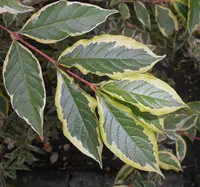
This species is known for its distinctive multi-colored leaf patterns, where sectors of the leaf blade can be green, cream, or yellow due to stable chimeric tissue, meaning genetically different cell layers coexist in one leaf.

Shrub-like growth habit

Unlike some tree-forming Aralia relatives, this species typically maintains a more compact, multi-stemmed shrub structure, which reflects an adaptation to understory light conditions rather than open-canopy forest gaps.

Bi-pinnate leaf structure

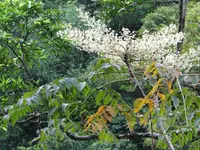
Its leaves are often compound to bi-pinnate, meaning each leaf is divided into many small leaflets on branching leaf stalks, a feature that increases light capture efficiency in filtered or partial shade environments and is important to understand for correct identification and Aralia decaisneana care instructions.

FAQs about Aralia decaisneana

Growth is moderate. In suitable outdoor conditions, it typically adds 20–40 cm per year, slowing as it matures. Container-grown plants usually grow more slowly due to root restriction and limited nutrients, especially if not repotted regularly.

Grow Healthy Plants with Botan Care

Keep your plants happy and healthy with plant identification, disease detection, and easy care guidance.

Botan plant care app — identify plants on mobile

Explore More Plants