Weigela Care (Weigela florida 'Variegata')

Also known as: Old Fashioned Weigela
Weigela

About Weigela

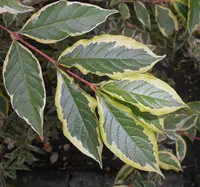
Weigela florida 'Variegata' is a deciduous flowering shrub valued for its showy spring blooms and creamy-edged variegated leaves. It forms a rounded, bushy shape that fits well in mixed borders and foundation plantings.

This cultivar comes from species native to East Asia, especially regions of China, Korea, and Japan. It is widely grown in temperate gardens for reliable flowering and foliage interest.

The plant is generally considered easy to grow, as long as it receives enough sun and moderately moist, well-drained soil. Understanding how to care for Weigela starts with providing light, space, and simple pruning to maintain its shape and flowering performance.

Main Plant Requirements

Care Difficulty

Easy Care

Light Preference

Full Sun

Water Requirements

Moderate Water

Temperature Preference

Cold Hardy

Hardiness Zone

4–8

Soil Texture

Sandy, Loamy, Clay

Soil pH

Acidic (5.5–6.5), Slightly acidic (6.5–7.0)

Soil Drainage

Moist but well-drained

Fertilization

Minimal (feed rarely)

Get Personalized Care Plan

Scan your plant to receive care tips personalized for your specific plant

Available on iOS and Android

How to Care for the Weigela

This shrub prefers bright outdoor conditions to support strong variegation and flowering.

  • Provide 6–8 hours of direct sun daily, with a preference for morning sun and light afternoon shade in hotter regions.
  • Tolerates partial shade (around 4 hours of sun), but foliage may be less variegated and flowering reduced when light is limited.
  • In hot summers, protect from intense afternoon sun to reduce leaf scorch, and avoid siting Weigela where it is shaded all day in winter.

This shrub prefers consistent soil moisture without staying saturated.

  • Water when the top 3–5 cm of soil feels dry, applying a deep soak so moisture reaches the full root zone rather than frequent light splashes.
  • During the first 1–2 growing seasons, monitor closely in dry spells; mature plants need less frequent watering except in prolonged drought.
  • Use well-drained soil to prevent root rot; pale, wilting leaves with dry soil indicate underwatering, while yellowing leaves and soggy soil suggest overwatering in Weigela florida 'Variegata'.

This hardy shrub tolerates a wide temperature range but grows best in moderate conditions.

  • Active growth and flowering are strongest around 60–75°F (16–24°C), typical of spring and early summer in many temperate gardens.
  • Established plants tolerate winter lows near -20°F (-29°C), but young shrubs benefit from mulch over the root zone in colder climates.
  • In summer, brief heat up to 90–95°F (32–35°C) is tolerated if soil moisture is maintained; extended extreme heat or drying winds can stress shoots and reduce bloom.

Humidity is not a significant factor for Weigela florida 'Variegata' in typical outdoor conditions.

Weigela florida 'Variegata' grows best in loose, well-drained, moderately fertile ground.

  • Use a loamy soil with a mix of mineral particles and organic matter to balance moisture retention and aeration.
  • Aim for slightly acidic to neutral pH around 6.0–7.0, avoiding very alkaline or salty soils.
  • In heavy clay, improve structure by working in 30–50% compost plus coarse sand or fine gravel for drainage.
  • Avoid waterlogged, compacted, or purely sandy soils that dry out too fast or restrict root oxygen.

This shrub can be grown in containers if the pot is large and stable enough to support its mature size.

  • Choose a wide, deep container to allow lateral root spread and reduce the risk of the plant becoming root-bound quickly.
  • Select a heavy or weighted pot to counterbalance the shrub’s branching top growth and prevent tipping in wind.
  • Use a well-draining mix and elevate the pot slightly on feet or bricks so excess water can exit the drainage holes freely.

This shrub benefits from modest feeding to support flowering and healthy variegated foliage.

  • Use a balanced slow-release granular fertilizer (around 10-10-10) or well-rotted compost in early spring for caring for Weigela.
  • Apply once in spring and, if growth is weak, a light second feeding in early summer.
  • Scratch fertilizer into the soil surface above the root zone, then water thoroughly to move nutrients down.
  • Avoid late-season feeding and keep any liquid fertilizer at half label strength to prevent soft, frost-tender growth.

Pruning keeps Weigela florida 'Variegata' compact and encourages abundant blooms on new wood.

  • Time main pruning for right after flowering in late spring to early summer, before new flower buds form.
  • Remove dead, diseased, or storm-damaged branches at the base using clean, sharp bypass pruners.
  • Thin crowded stems by cutting 1–3 of the oldest canes to ground level to open the center and boost flowering.
  • Lightly shorten overly long shoots to maintain shape, cutting just above an outward-facing bud.

This shrub is usually grown in the ground, so focus on thoughtful transplanting rather than frequent repotting.

  • Plan major moves for early spring or early fall, when temperatures are mild and soil is workable.
  • Look for signs like poor vigor, root circling in pots, or a shrub outgrowing its space as triggers to transplant.
  • Dig a wide hole, preserving as much root ball as possible, and set the plant at the same soil depth as before.
  • Water deeply after planting, then maintain even moisture and apply mulch to reduce root stress during re-establishment.

Propagation of Weigela florida 'Variegata' is commonly done from cuttings for true-to-type plants.

  • Take softwood cuttings in late spring to early summer or semi-ripe cuttings in mid to late summer.
  • Cut non-flowering shoots 8–10 cm long, remove lower leaves, and dip the base in a rooting hormone powder or gel.
  • Insert cuttings into a free-draining mix of perlite and peat-free compost, then keep evenly moist.
  • Provide bright, indirect light and high humidity with a clear cover until roots form, usually within several weeks.

This cultivar is generally cold hardy in much of the US and needs only light winter care once established.

  • Expect good tolerance of typical temperate frosts, though very young plants are more vulnerable.
  • Apply a 5–8 cm mulch layer over the root zone in late fall, keeping it slightly away from the stems.
  • In very cold or exposed sites, wrap the base with burlap or place windbreaks to limit drying winter winds.
  • Move container-grown shrubs into a sheltered, unheated spot to prevent the root ball from freezing solid.

Care Tips

Layered branch renewal

Every 2–3 years, bend one or two low, flexible branches to the soil, pin them down, and lightly cover with compost to create layered shoots that can replace older, less floriferous stems later on.

Bloom-lengthening deadheading

Right after the main flush of flowers, remove spent clusters by cutting back to a strong pair of leaves to reduce seed set and encourage a lighter second bloom.

Color-contrast underplanting

Plant low, dark-leaved groundcovers or perennials around the base to visually emphasize the variegated foliage while also shading the root zone and reducing surface evaporation.

Snow and wind protection

In colder or exposed sites, loosely tie long arching stems together in late fall and use a windbreak fabric or shrub shelter on the windward side to reduce breakage from heavy snow and strong winter winds.

Targeted rejuvenation timing

Plan any major rejuvenation pruning for immediately after flowering, not in late summer or fall, so new shoots have a full growing season to mature and set next year’s flower buds, which is key when caring for Weigela over many years.

Everything About Weigela

Common Pests and Diseases

Aphids

This pest feeds on tender shoots and flower buds, causing curling, distortion, and sticky honeydew that can lead to sooty mold on leaves.

Solution

Prune off heavily infested shoot tips, then wash remaining stems and foliage with a strong but controlled stream of water to dislodge insects. For persistent infestations, apply insecticidal soap or a ready-to-use neem oil spray, making sure to coat the undersides of leaves and repeat every 7–10 days as needed.

Spider mites

These insects are actually tiny arachnids that thrive in hot, dry conditions, leading to stippled, dull leaves and fine webbing on the undersides of foliage.

Solution

Increase humidity around the shrub by regular hose-spraying of the foliage, focusing on the leaf undersides to physically remove mites. For heavier issues, use a miticide-labeled horticultural oil or insecticidal soap and improve plant vigor with proper watering and mulching to reduce stress and support long-term growing Weigela.

Scale insects

This pest appears as small, shell-like bumps on stems and leaf midribs, causing yellowing, decline in vigor, and sticky honeydew deposits.

Solution

Gently scrape or prune out heavily infested stems and dispose of them in the trash. Follow up with a horticultural oil spray during the growing season, making thorough contact with stems and branch crotches, and consider a dormant oil application in late winter if the problem recurs.

Leaf spot

This disease causes circular to irregular brown or purple spots on leaves, which can merge and lead to early leaf drop in humid, crowded plantings.

Solution

Remove and discard affected leaves from the plant and ground to reduce fungal spores, and avoid overhead watering that keeps foliage wet for long periods. Improve air circulation by thinning crowded branches, and if spotting is severe for several seasons, apply a labeled ornamental shrub fungicide at bud break and repeat as directed.

Botrytis blight

This disease affects flowers and young shoots during cool, wet weather, leading to browning blooms, soft stem tips, and gray, fuzzy mold on decaying tissue.

Solution

Promptly deadhead spent flowers and remove any blighted shoot tips, then dispose of this material away from the garden. Reduce moisture on foliage by watering at the base, spacing shrubs for airflow, and consider a preventive fungicide labeled for ornamental shrubs if botrytis has been a recurring problem during damp springs.

Interesting Facts

Naturally compact habit

This cultivar stays smaller and more rounded than many other weigelas, typically forming a dense mound that suits foundation plantings and smaller gardens without heavy pruning.

Stable leaf variegation

Its creamy-white leaf margins come from a stable genetic mutation, so the variegation usually stays consistent from year to year rather than reverting to plain green foliage.

Color-changing blossoms

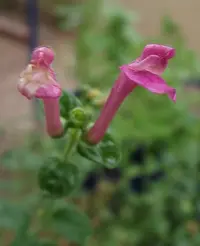
Flowers often open a soft pink and deepen to a richer rose-pink as they age, so a single shrub can display multiple flower shades at the same time.

Botan icon

Did you know?

Weigela florida 'Variegata' received the Royal Horticultural Society Award of Garden Merit, which indicates it has been independently trialed and recognized as a reliable, ornamental shrub for general garden use.

FAQs about Weigela

Poor flowering usually comes from pruning at the wrong time, too much shade, or excess nitrogen fertilizer. Prune just after flowering, avoid heavy spring cuts, and use a balanced, slow-release product instead of high-n lawn fertilizer nearby.

Grow Healthy Plants with Botan Care

Keep your plants happy and healthy with plant identification, disease detection, and easy care guidance.

Botan plant care app — identify plants on mobile

Explore More Plants