century plant Care (Agave xylonacantha)

century plant

About century plant

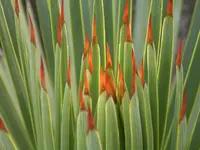
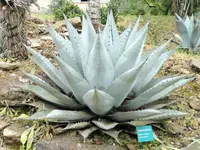
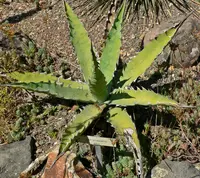
Century plant (Agave xylonacantha) is a slow-growing succulent from arid regions of Mexico. It forms a striking rosette of stiff, narrow leaves with sharp, irregular teeth along the edges. Mature plants can become large focal points and eventually produce a tall flowering stalk before the original rosette dies. This species is drought tolerant and prefers bright, direct light, making it suitable for sunny outdoor spots or very bright indoor areas. It needs sharply draining, gritty soil and benefits from careful watering, which helps explain how to care for century plant in typical home or garden conditions.

Main Plant Requirements

Care Difficulty

Easy Care

Light Preference

Full Sun

Water Requirements

Low Water

Temperature Preference

Warm Climate

Hardiness Zone

9–11

Soil Texture

Sandy, Loamy, Rocky

Soil pH

Slightly acidic (6.5–7.0), Slightly alkaline (7.0–7.5)

Soil Drainage

Well-drained

Fertilization

Minimal (feed rarely)

Get Personalized Care Plan

Scan your plant to receive care tips personalized for your specific plant

Available on iOS and Android

How to Care for the century plant

This desert agave thrives in strong, direct light but benefits from some protection in very harsh sun.

  • Provide 6–8 hours of direct sun daily; full sun is ideal in most arid or mild climates for strong, compact growth.
  • Allow light afternoon shade in very hot regions to reduce leaf scorch, especially for young plants or those newly transplanted.
  • In cooler or cloudier climates, choose the brightest south- or west-facing spot; poor light leads to stretched, pale rosettes typical of century plant stress.

This species is highly drought-tolerant and requires sparse, carefully timed watering.

  • Let the top 5–8 cm of soil dry completely, then water deeply so it drains quickly through the root zone.
  • During active growth in spring–summer, watering may be needed every 2–4 weeks in fast-draining ground; reduce to occasional winter watering only in frost-free climates.
  • Watch for overwatering signs such as soft, yellowing leaves and a sour soil smell; underwatered Agave xylonacantha shows wrinkled, slightly curling leaves that firm up after a deep soak.

This agave prefers warm, dry conditions and only short exposure to cold.

  • Optimal growth occurs around 70–90°F (21–32°C), typical of hot, dry regions with good airflow around the rosette.
  • Mature plants can tolerate brief drops to about 20–25°F (-6 to -4°C) if soil is dry, but repeated hard frosts damage leaf tips and margins.
  • In heat above 100°F (38°C), strong sun is usually tolerated if the soil is very well drained; young or stressed plants benefit from light afternoon shade and no overhead watering during peak heat.

Humidity is rarely a concern for this desert agave in home or outdoor conditions.

Agave xylonacantha needs very fast-draining, mineral-based soil to prevent root and crown rot.

  • Use a gritty mix such as 50–70% mineral material (pumice, coarse sand, small gravel) blended with 30–50% cactus potting mix.
  • Ensure the mix is loose and airy; break up clods so water drains through within seconds, not minutes.
  • Aim for slightly acidic to neutral pH around 6.0–7.0, avoiding strongly acidic or alkaline substrates that can limit nutrient uptake.
  • Never plant in heavy clay or peat-heavy mixes that stay wet, even briefly, around the roots.

This species grows well in containers when given careful attention to drainage and stability.

  • Choose a wide, heavy pot that resists tipping as the rosette enlarges and offsets develop around the base.
  • Select a mineral-based cactus mix and raise the container slightly on pot feet so drainage holes never sit in standing water.
  • In rainy climates, position the pot under a slight overhang or in a sloped area so excess water can shed away quickly.

This drought-adapted succulent needs only light feeding to stay healthy in containers or poor soil.

  • Use a balanced liquid fertilizer at 1/4 strength or a mild cactus feed during the active growing season in spring–summer.
  • Apply every 6–8 weeks for potted plants; in the ground, feed only if growth is weak or soil is very poor.
  • Avoid rich compost around the crown, which can trap moisture and increase rot risk for this century plant.
  • Stop feeding in fall and winter to allow natural dormancy and prevent soft, cold-sensitive growth.

Agave xylonacantha needs minimal pruning, focused on safety and hygiene rather than shaping.

  • Best time is late spring or early summer in dry weather, reducing the risk of rot in cut areas.
  • Remove only dead, damaged, or diseased leaves at the base, cutting cleanly without tearing the tissue.
  • Use long-handled, sharp pruners and heavy gloves to avoid injury from the spines and to make precise cuts.
  • Limit pruning to problem leaves so the rosette form stays natural and energy is conserved for flowering and offsets.

Container-grown plants benefit from infrequent but careful repotting to maintain drainage and root health.

  • Repot every 3–4 years when roots circle the pot, drainage slows, or growth stalls despite good light.
  • Plan repotting for late spring, using a gritty cactus mix and a pot only 2–3 cm wider than the old one.
  • Loosen circling roots gently, remove dead roots, and let any damaged areas dry for 1–2 days before watering.
  • After transplanting Agave xylonacantha, keep it in bright shade for 7–10 days and water lightly to reduce stress.

This species is most often propagated vegetatively, with seeds used mainly for larger scale growing or breeding.

  • Detach offsets in late spring–summer once they have several leaves and a defined root system.
  • Cut pups cleanly from the parent, allow cut surfaces to callus in dry shade for 3–7 days, then pot in gritty mix.
  • Keep potted offsets warm (70–80°F), in bright indirect light, watering sparingly until new growth appears.
  • Sow seeds on the surface of a sterile cactus mix, maintain light moisture and warmth, and expect slower establishment than pups.

Mature plants have some cold tolerance but need thoughtful winter management in cooler climates.

  • In-ground plants tolerate brief drops near 20°F if soil is sharply drained and foliage is dry.
  • Apply a light gravel or rock mulch around the root zone to improve drainage rather than retain moisture.
  • In wet winter regions, use a simple overhead cover to keep the rosette dry and reduce crown rot risk.
  • Move containers indoors or to an unheated bright shelter before hard frost, watering very sparingly until spring.

Care Tips

Winter rain protection

In areas with cool, wet winters, place the plant under a simple rain shield (like a clear polycarbonate panel or overhang) to keep the rosette dry and prevent crown rot while still allowing full light.

Rock mulch usage

Top-dress the soil with 2–5 cm of coarse gravel or small rocks to keep the crown dry, reduce soil splashing onto the leaves, and stabilize the root zone in hot sun.

Safe handling method

Use long-handled tongs or fold a thick towel around the rosette when repotting or removing pups to avoid injury from the stiff teeth and minimize leaf damage.

Controlled offset removal

Remove offsets only when they have several strong roots and are at least 5–8 cm across, using a clean, sharp knife and allowing the cut surfaces to dry for 2–3 days before replanting to reduce rot risk when you grow Agave xylonacantha.

Container weight management

If grown in a pot, choose a wide, heavy container or add rocks to the bottom to prevent tipping as the rosette becomes large and top-heavy over time.

Common Pests and Diseases

Agave snout weevil

This pest burrows into the base of the rosette, causing internal damage that often leads to sudden collapse of the whole plant. Symptoms include yellowing outer leaves, a loose wobbly crown, and a foul smell at the base.

Solution

Remove and destroy any affected plant immediately, including as much of the surrounding soil as possible, since larvae live inside the crown and roots. For prevention, avoid planting stressed or overwatered agaves, keep soil very well-drained, and in areas where this weevil is common, consider a systemic insecticide drench in spring according to label directions for agaves.

Agave mite

These microscopic eriophyid mites cause distorted new growth, tight rosettes, corky scarring, and sometimes witches’-broom type clusters in the center of the plant. Symptoms include deformed or stunted leaves and rough, scabby tissue along leaf bases or around the crown.

Solution

Discard severely infested plants, since mites hide deep in leaf bases and are difficult to eradicate fully. For mild cases, remove and dispose of deformed central leaves, isolate the plant, and apply a miticide labeled for eriophyid mites while also avoiding overhead watering that can help spread the mites between plants.

Soft scale

These insects attach along leaf bases and midribs, sucking sap and excreting honeydew that can lead to sooty mold on the leaf surface. Symptoms include sticky residue, dark moldy patches, and small dome-shaped bumps that do not brush off easily.

Solution

Physically remove scales by gently scrubbing leaves with a soft brush or cloth dipped in diluted insecticidal soap, then rinse well and let the rosette dry fully. For persistent infestations, repeat soap or horticultural oil treatments every 7–10 days while improving light and air movement to reduce reinfestation.

Anthracnose

This disease causes tan to dark brown sunken spots with darker margins on the leaves, often starting where water sits or along small wounds. Symptoms include expanding lesions that may merge and create large irregular dead areas, especially in warm, humid conditions or with frequent overhead watering.

Solution

Cut off and discard affected leaves, sterilizing pruning tools between cuts, and keep the rosette as dry as possible by watering at the soil level. Improve drainage and airflow, reduce overhead irrigation, and in recurrent cases apply a copper- or chlorothalonil-based fungicide labeled for ornamental succulents according to instructions.

Leaf spot (Alternaria)

This disease produces small, round to irregular purple, brown, or black spots that can develop pale centers and sometimes a yellow halo. Symptoms include scattered spotting that may coalesce into larger patches, mainly on older or shaded leaves kept damp for long periods.

Solution

Remove and dispose of heavily spotted leaves and avoid wetting the foliage, especially in cool or humid weather. Enhance spacing and sun exposure, water in the morning so leaves dry quickly, and use a broad-spectrum foliar fungicide labeled for ornamental agaves if spotting continues despite cultural corrections.

Interesting Facts

Distinct sawblade leaves

This species has long, narrow, stiff leaves with strongly contrasting light-colored marginal teeth on dark green to blue-green blades, creating a sawblade-like outline that is unusually pronounced even among agaves.

Mountain limestone specialist

In nature it is native to arid limestone slopes and calcareous rocky outcrops in northeastern Mexico, where it anchors itself in shallow, alkaline, mineral soils with very little organic matter.

Solitary rosette habit

Unlike many related agaves that form large clumps, this species typically remains a solitary rosette or produces only a few offsets, which makes its architectural form more distinct and easier to appreciate as a single specimen.

FAQs about century plant

This species flowers only once, usually after many years, then the main rosette dies. Lack of bloom is normal for a long time. Strong light, excellent drainage, and steady, moderate growth eventually trigger flowering.

Grow Healthy Plants with Botan Care

Keep your plants happy and healthy with plant identification, disease detection, and easy care guidance.

Botan plant care app — identify plants on mobile

Explore More Plants