Agave striata Care

Agave striata

About Agave striata

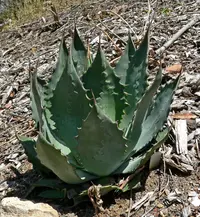
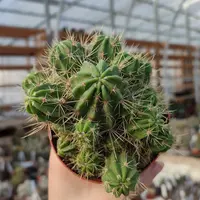
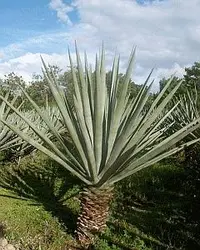
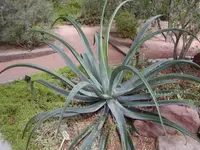
Agave striata, commonly called narrowleaf agave, is a compact succulent forming dense, spherical rosettes of very thin, stiff, needle-tipped leaves. The plant usually stays low and architectural, creating a spiky, fountain-like effect suited to dry gardens and containers.

This species is native to arid and semi-arid regions of northeastern Mexico, where it grows in rocky, well-drained soils and intense sun. It is slow growing and long lived, generally requiring little intervention once established.

Thick, fibrous leaves store water, so overwatering is a greater risk than drought, which shapes how to care for Agave striata. It prefers bright light, minimal moisture, and gritty soil that drains rapidly.

Main Plant Requirements

Care Difficulty

Easy Care

Light Preference

Full Sun

Water Requirements

Low Water

Temperature Preference

Warm Climate

Hardiness Zone

7–11

Soil Texture

Sandy, Loamy, Rocky

Soil pH

Slightly acidic (6.5–7.0), Neutral (7.0)

Soil Drainage

Well-drained

Fertilization

Minimal (feed rarely)

Get Personalized Care Plan

Scan your plant to receive care tips personalized for your specific plant

Available on iOS and Android

How to Care for the Agave striata

This desert succulent thrives in strong light with several hours of direct sun each day.

  • Provide 6–8 hours of direct sun, ideally with morning sun and some protection from harsh late-afternoon summer sun in very hot climates.
  • Tolerates light, open shade for part of the day, but Agave striata grown in too much shade develops elongated, floppy leaves and sparse rosettes.
  • In cooler seasons, full sun all day is ideal; in hot areas, new transplants benefit from 1–2 weeks of filtered light to prevent leaf scorch.

This species prefers deep, infrequent watering and very fast-draining soil.

  • Outdoors in arid climates, water only when the top 5–8 cm of soil are completely dry; established plants may need no supplemental water beyond natural rainfall.
  • Use gritty, sharply draining soil so water runs through in seconds; standing water or heavy clay greatly increases root rot risk for Agave striata.
  • In summer, leaves wrinkling or curling inward indicate it is time to water; yellowing, mushy leaves or a sulfur smell from soil point to overwatering.

This plant is adapted to hot, dry climates but has notable cold tolerance when kept dry.

  • Optimal growing temperatures are 70–90°F (21–32°C), with slower but acceptable growth down to about 55°F (13°C).
  • Mature plants tolerate short dips to 15–20°F (-9 to -6°C) if soil is dry, but repeated hard freezes increase risk of tissue damage and rot.
  • In very hot spells above 100°F (38°C), ensure excellent airflow and avoid reflected heat from walls or rock that can overheat the crown.

This species handles low household humidity easily, so air moisture is rarely a concern.

This drought-tolerant succulent needs very fast-draining, mineral-based soil to avoid root rot.

  • Use a gritty mix such as 50–70% coarse sand or fine gravel combined with cactus potting mix.
  • Aim for slightly acidic to neutral pH, around 6.0–7.0, which most commercial cactus mixes provide.
  • Increase aeration and drainage by adding extra perlite or pumice, especially in heavier commercial mixes.
  • Avoid dense garden soil, high-peat blends, or any mix that stays wet longer than 2–3 days after watering.

This species grows well in containers if the pot limits excess moisture around the roots.

  • Choose a wide, heavy container to counterbalance the spiky rosette and prevent tipping in wind or on balconies.
  • Select unglazed terracotta when possible, as it speeds evaporation and keeps the root zone drier between waterings.
  • Leave the upper 1–2 in of the mix slightly below the rim so water does not pool against the crown during irrigation.

This desert species needs only light feeding in poor or very old soil to maintain steady growth.

  • Use a low-dose balanced NPK succulent fertilizer or very thin layer of compost for Agave striata in spring.
  • Feed once at the start of the growing season; a second light feeding in midsummer is enough in very lean soils.
  • Dilute liquid fertilizers to 1/4–1/2 strength to avoid root burn and excess leaf softness.
  • Skip feeding in fall and winter when growth slows and the plant is semi-dormant.

Agave striata benefits from minimal, careful pruning to keep the rosette clean and healthy.

  • Best timing is late spring or early summer in dry weather to limit rot risk at cut points.
  • Remove only dead, dried, or damaged leaves at the base, cutting close to the stem without injuring healthy tissue.
  • Thin badly crowded or crossing leaves slightly to maintain a neat spherical form and allow airflow.
  • Use sharp, clean hand pruners and sturdy gloves to manage stiff, spiny leaves safely and avoid tearing.

Container-grown plants and young clumps sometimes need moving to support healthy root development.

  • Check for roots circling the pot, pushing through drainage holes, or noticeably slowed growth over 2–3 years.
  • Plan repotting or transplanting in late spring, when temperatures are warm and new root growth is active.
  • Move into a pot only 2–5 cm wider, using very fast-draining gritty cactus mix to limit waterlogging stress.
  • Handle the root ball gently, keep roots at the same depth, and water once, then allow to dry well before the next irrigation.

New plants are produced mainly from offsets and sometimes from seed, rather than from leaf cuttings.

  • Detach small offsets in late spring or early summer once they have several leaves and a visible root base.
  • Let cut or broken surfaces dry and callus for 3–7 days in shade to reduce infection and rot risk.
  • Plant offsets in a sterile, gritty, barely moist cactus mix and place in bright, indirect light until established.
  • Sow seeds on the surface of well-draining medium at 70–80°F, keeping slightly moist and ventilated for slow, steady germination.

Mature Agave striata is fairly cold hardy but benefits from some protection in colder regions or containers.

  • In-ground plants tolerate brief drops near 10–15°F if soil is very well drained and crowns stay dry.
  • Apply a thin, gritty mulch around the root zone, keeping it away from the central rosette to avoid trapped moisture.
  • In wet winter climates, use a simple overhead rain cover to keep leaves drier and reduce rot risk.
  • Move container plants indoors or into an unheated, bright, frost-free space when temperatures approach the lower teens.

Care Tips

Rock mulch ring

Create a 10–20 cm wide ring of coarse gravel or rocks around the plant crown to keep leaves off wet soil, reduce rot risk, and maintain the clean, architectural form when growing Agave striata.

Offset management

Inspect the base yearly and remove only well-rooted, fist-sized offsets with a clean, sharp knife so the main rosette keeps its energy while still providing healthy pups for propagation.

Winter rain protection

In regions with cold, wet winters, place a simple clear roof or cold frame over the plant from late fall to early spring to prevent prolonged leaf wetness and crown rot without reducing light levels.

Spine safety prep

Before any close work such as weeding or dividing, wear sturdy gloves and eye protection, and place a folded towel or piece of cardboard over the leaf tips to reduce injury from the stiff spines.

Weed barrier strategy

Lay a breathable landscape fabric under a top layer of gravel in new plantings to suppress weeds that are difficult to remove later from between the dense, stiff leaves.

Common Pests and Diseases

Agave snout weevil

This pest bores into the base of the rosette, causing collapse of the plant and a foul-smelling, soft crown. Symptoms include yellowing leaves that suddenly wilt and pull away easily at the base.

Solution

Remove and destroy any infested plants, including as much of the root system as possible, to prevent the weevils from spreading. In regions where this insect is common, apply a systemic insecticide labeled for ornamental agaves to the soil around healthy plants in spring, and avoid wounding the plant or leaving cut leaves nearby, as these attract adults.

Eriophyid mite damage

These microscopic mites distort new growth, causing tight, deformed centers and streaked or scabbed leaf surfaces. Symptoms include rough, corky patches and irregular lines following the leaf veins.

Solution

Remove and discard the most distorted leaves and any affected offsets, then increase air movement around the plant and avoid overhead watering. In persistent cases, apply a miticide specifically labeled for eriophyid mites and repeat according to label directions, as contact coverage is important for effective control.

Soft scale

These insects appear as small, dome-shaped bumps on leaves and leaf bases, often producing sticky honeydew. Symptoms include sooty mold growth on the honeydew and a gradual decline in vigor.

Solution

Gently wipe leaves with a cloth dampened in water with a small amount of mild insecticidal soap to remove scales and honeydew, and prune heavily infested leaves if feasible. For larger clumps, use a systemic insecticide labeled for scale on ornamental succulents, and monitor nearby agaves for reinfestation as part of general Agave striata care.

Bacterial soft rot

This disease causes the crown or leaf bases to become water-soaked, foul-smelling, and mushy, often starting where mechanical damage or insect feeding occurred. Symptoms include rapid collapse of inner leaves and a strong rotting odor.

Solution

Remove and discard severely affected plants, taking care not to spread the soft tissue to healthy specimens. For minor cases, cut out all rotted material with a sterile tool, allow the wound to dry in a warm, airy spot, and improve drainage and spacing to keep the plant base dry and reduce future infections.

Fungal leaf spot

This disease produces small, brown to black lesions on leaves, sometimes with a yellow halo, especially in humid or poorly ventilated conditions. Symptoms include cosmetic spotting that can slowly enlarge and merge on stressed plants.

Solution

Trim off the most affected leaves and dispose of them, then ensure good air circulation and avoid wetting the foliage when watering. If spots continue to spread, apply a copper-based or other broad-spectrum fungicide labeled for ornamental succulents, following label directions and reducing humidity around the plant to support recovery.

Interesting Facts

Desert grass mimic

This species forms dense hemispherical clumps of very narrow, stiff leaves that visually resemble a bunchgrass, helping it blend into its native arid grasslands of northeastern Mexico.

Single massive flowering

Agave striata is monocarpic, meaning each rosette flowers only once, sending up a very tall, branched stalk lined with small yellowish flowers before that rosette dies.

Needle-sharp defense

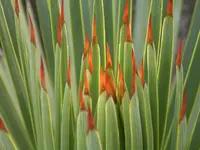
Each leaf ends in a hard, sharp spine that deters herbivores and reduces grazing damage in its open, exposed native habitats.

Botan icon

Did you know?

In habitat, Agave striata often grows on rocky limestone slopes and shallow soils where few other succulents can persist, using its compact root system and narrow leaves to exploit brief rainfall pulses and tolerate both intense sun and occasional light frost.

FAQs about Agave striata

Brown leaf tips or margins usually result from sun scorch, extreme heat, or accumulated salt from fertilizer. Entire brown, mushy leaves often indicate rot from excess moisture. Remove damaged leaves and adjust exposure, watering frequency, and drainage.

Grow Healthy Plants with Botan Care

Keep your plants happy and healthy with plant identification, disease detection, and easy care guidance.

Botan plant care app — identify plants on mobile

Explore More Plants